Melbourne's sustainability leaders outline bold plans as city faces climate pressure
Senior officials and environmental experts reveal what's next for Victoria's capital as it grapples with ambitious net-zero targets.
2 min read
Senior officials and environmental experts reveal what's next for Victoria's capital as it grapples with ambitious net-zero targets.
2 min read
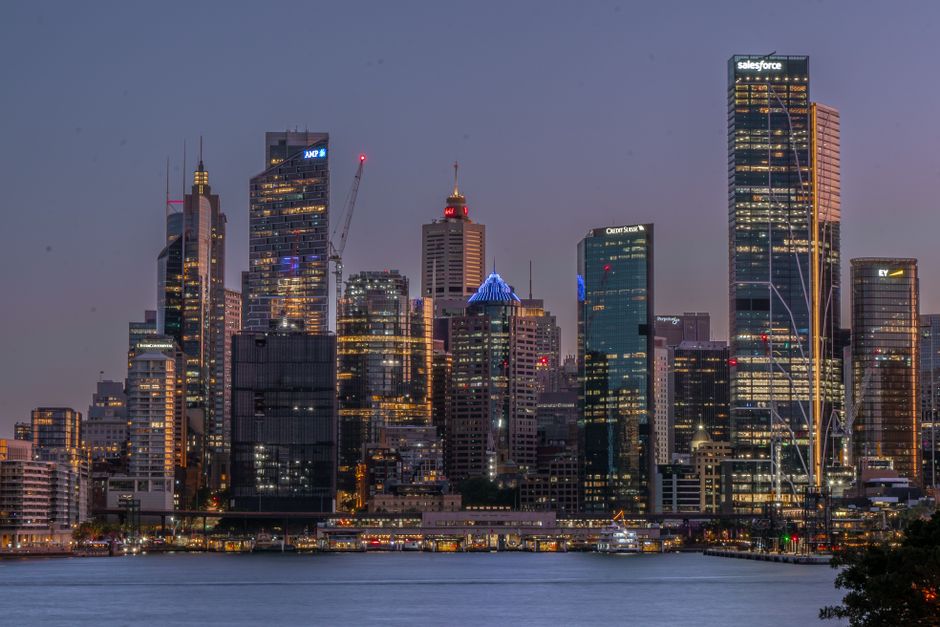
Melbourne's environmental agenda is at a critical juncture, with key figures across government, academia and industry signalling a significant acceleration in sustainability initiatives over the next five years.
The City of Melbourne has committed to achieving net-zero emissions by 2040, a target that officials acknowledge will require unprecedented coordination across transport, building, and waste management sectors. Speaking at a sustainability forum hosted by the Victorian Government last month, council representatives emphasised the importance of retrofitting the estimated 25,000 commercial buildings in the CBD and inner suburbs to improve energy efficiency—a process expected to cost billions but generate substantial long-term savings.
Dr Sarah Chen, director of the University of Melbourne's Climate and Sustainability Institute, told The Daily Melbourne that universities have a responsibility to lead by example. "We're seeing real momentum in renewable energy adoption," she said, noting that several major institutions are transitioning away from fossil fuels ahead of schedule. The University of Melbourne itself has installed solar capacity across multiple campuses and is investing heavily in green building certifications.
Transport remains a focal point. Officials from Public Transport Victoria have outlined plans to expand the tram network and upgrade bus fleets to electric vehicles, with the goal of reducing transport emissions by 40 per cent before 2030. The Docklands precinct and areas along St Kilda Road have been identified as priority zones for rapid transit improvements.
Water security is another pressing concern for Melbourne's growing population. Southern Water and the City of Melbourne are jointly promoting stormwater harvesting and recycled water initiatives in suburbs like Carlton, Fitzroy, and Brunswick. Residential water usage targets of 155 litres per person per day—down from current averages of around 200 litres—are being promoted through council incentive schemes.
Business leaders have also stepped forward. Representatives from major property developers have committed to incorporating green building standards in new projects across Southbank, Moonee Ponds, and Footscray. The cost premium for sustainable construction has fallen to approximately 2–3 per cent above traditional methods, making the business case increasingly compelling.
Yet scepticism persists. Some experts warn that Melbourne's 2040 net-zero target may be optimistic without federal funding certainty and tighter emissions regulations across supply chains. The challenge, officials concede, lies not in announcing targets but in translating commitments into measurable action across the sprawling metropolitan region.
This article was compiled by AI from the sources linked above and screened before publishing. See our editorial standards.
About this article
Published by The Daily Melbourne
Daily brief
Free, in your inbox before 7am. Weekdays.
You might also like
News
News
News
News
Free daily briefing