From Landfill Crisis to Green City: How Melbourne Built Its Path to Sustainability
Decades of environmental missteps forced this city to reinvent itself—and the transformation is reshaping how we live.
2 min read
Decades of environmental missteps forced this city to reinvent itself—and the transformation is reshaping how we live.
2 min read
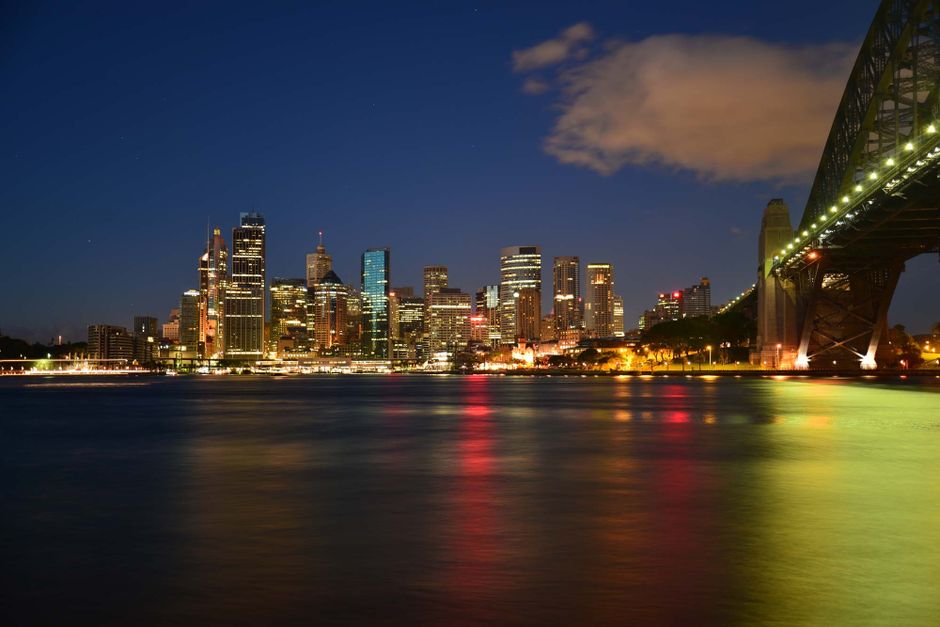
Melbourne's commitment to sustainability didn't emerge from virtue alone. It was born from necessity, desperation, and the hard lessons of a city that nearly buried itself in its own waste.
Rewind to the early 2000s. Melbourne's sprawl was accelerating, and the Port Phillip Bay was choked with sewage overflows during heavy rain. The Dandridge Street landfill in Coode Island was groaning under the weight of the city's consumption. Recycling rates languished below 40 percent. Climate projections showed the Murray-Darling Basin—which supplies much of Victoria's water—would face catastrophic stress within decades.
The crisis point came in 2006 when Melbourne experienced its worst drought in over a century. Restrictions gripped the city. Residents watched gardens die on Toorak Road and in Fitzroy. Water restrictions became so severe that the Dandenongs, normally lush, turned brown. Mandatory shower timers and garden bans became daily reality. The psychological impact was profound: Melbourne realised it wasn't immune to environmental collapse.
That breaking point catalysed change. The city's major institutions—from the University of Melbourne to Monash University—began serious sustainability research programs. The Melbourne City Council adopted ambitious emissions reduction targets. Community gardens sprouted across suburbs from Brunswick to Bentleigh. The Port Phillip EcoCentre became a hub for environmental activism.
The response was methodical. Water recycling infrastructure expanded. By 2015, Melbourne's recycling rate had climbed to 73 percent. Public transport investment accelerated, with the aim of reducing car dependency that had choked the inner city. The Yarra River, once a dumping ground, became a focal point for restoration efforts. Climate adaptation planning became embedded in planning decisions across the Metropolitan Planning Authority.
Yet the journey reveals uncomfortable truths. Melbourne's sustainability pivot required crisis to trigger action. Wealthier suburbs like Canterbury and Camberwell adopted green initiatives faster than outer suburbs. Businesses initially resisted carbon pricing mechanisms. The transition to renewable energy—though now embraced—faced years of political resistance.
Today, Melbourne ranks among Australia's most sustainable major cities. But residents who endured water restrictions remember why: not because sustainability was fashionable, but because ignoring environmental limits had consequences. That historical memory—of a city brought to its knees by its own consumption—remains the most powerful driver of continued change.
The question now is whether lessons learned from crisis will persist in times of plenty.
This article was compiled by AI from the sources linked above and screened before publishing. See our editorial standards.
About this article
Published by The Daily Melbourne
Daily brief
Free, in your inbox before 7am. Weekdays.
You might also like
News
News
News
News
Free daily briefing