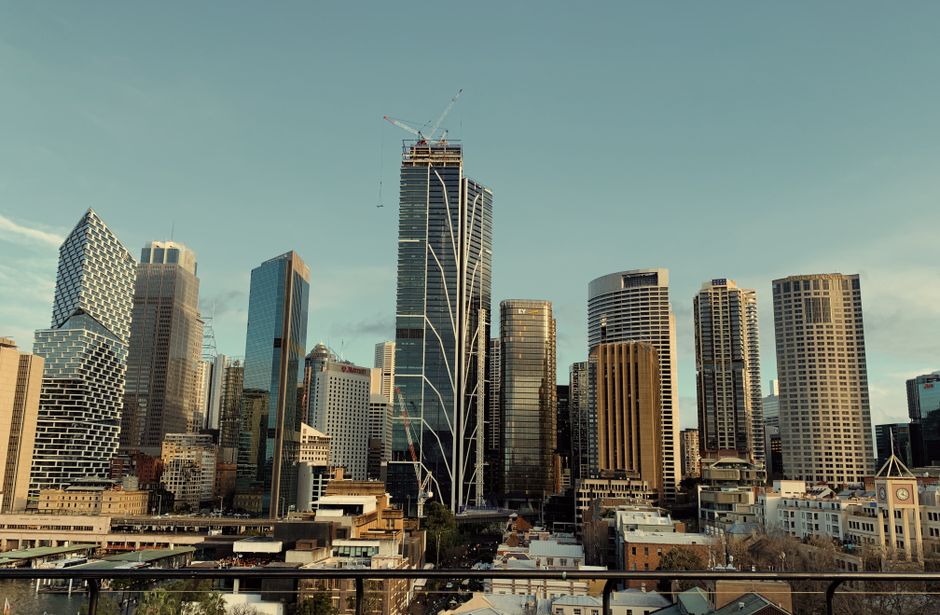
Melbourne's commitment to becoming a carbon-neutral city by 2040 has prompted a wave of high-level discussions among government officials, environmental scientists, and industry leaders about how the sprawling metropolis will actually achieve this ambitious target.
City of Melbourne officials have recently emphasised the scale of the challenge, pointing to transport emissions as a critical area. With congestion on major arterials from the Eastern Freeway through to the Western Ring Road costing the economy an estimated $12 billion annually, experts stress that shifting commuter behaviour will be essential. Public transport usage, currently accounting for around 15 percent of all trips in the metropolitan area, needs substantial investment and cultural change.
The City's Environment and Sustainability team has highlighted Docklands and Southbank as pilot precincts for renewable energy integration and green building retrofits. Officials note that office spaces along St Kilda Road alone could reduce energy consumption by 30-40 percent through better insulation and solar installations, though upfront costs remain prohibitive for many building owners.
Dr Sarah Chen, a climate scientist at the University of Melbourne's School of Geography, has cautioned against over-reliance on technological solutions. "Melbourne's sustainability narrative often focuses on solar panels and electric vehicles, but we need systemic change in how we use water and manage waste," she recently stated in public forums. The city's water consumption—around 450 litres per person daily—remains well above international benchmarks.
Local business leaders attending recent sustainability forums at the Melbourne Convention and Exhibition Centre have expressed concerns about transition costs. However, several major corporate tenants in the CBD have committed to net-zero operational targets, signalling market momentum. Commercial property valuations increasingly factor in sustainability credentials, making green upgrades a financial imperative.
The state government's commitment to 50,000 new jobs in renewable energy by 2030 has generated cautious optimism among employment specialists. Manufacturing precincts in the western suburbs—particularly around Footscray and Werribee—could become hubs for battery production and renewable technology assembly, officials suggest.
Yet sustainability advocates point to a persistent gap between policy announcements and funding allocation. While Melbourne's council has allocated $6.8 million for climate initiatives in the 2026-27 budget, some environmentalists argue this represents insufficient commitment given the scale of required infrastructure change.
As June's winter temperatures settle over the city, the conversations intensify. Officials, experts, and business figures agree: the next five years will be decisive in determining whether Melbourne's 2040 target remains aspirational or becomes achievable reality.
This article was compiled by AI from the sources linked above and screened before publishing. See our editorial standards.