'We didn't get a say': Residents speak out as Melbourne's density push reshapes their streets
From Moonee Ponds to Footscray, community members say the Allan government's housing reforms are being done to them, not with them.
4 min read
From Moonee Ponds to Footscray, community members say the Allan government's housing reforms are being done to them, not with them.
4 min read
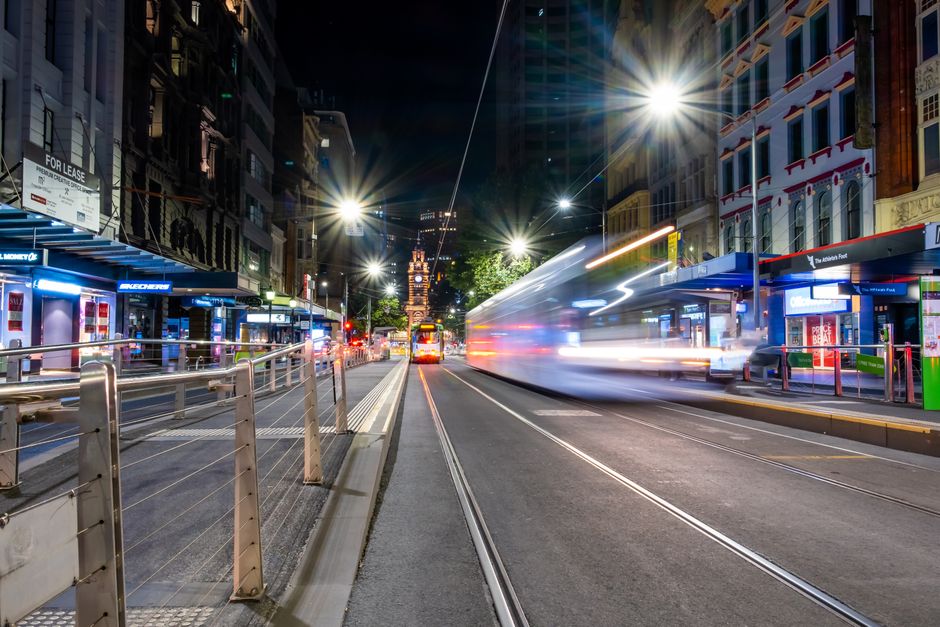
Residents across Melbourne's middle-ring suburbs are growing louder in their opposition to the state government's accelerated housing density agenda, with community forums filling to capacity and local Facebook groups buzzing with plans to challenge zoning decisions before the Victorian Civil and Administrative Tribunal. The flashpoint: a suite of planning reforms that allow medium-density development within 800 metres of major train stations, bypassing council approval in dozens of neighbourhoods that have never seen four-storey walk-ups.
The reforms, fast-tracked by the Allan government in late 2025 as part of its response to a housing affordability crisis now biting across every Melbourne postcode, are supposed to deliver 60,000 new homes by 2030. For the people who live in those postcode boundaries, the delivery mechanism feels abrupt. Property prices have started softening in some pockets — CoreLogic data from May showed Melbourne's median dwelling value had slipped 3.2 per cent year-on-year to sit at $892,000 — but few residents believe density alone will make the city genuinely liveable or affordable for the next generation.
In Moonee Ponds, the epicentre of local resistance is the stretch of Pascoe Vale Road between the train station and the shopping strip on Hall Street. One woman who has lived in a single-fronted Victorian on a side street nearby for 28 years described attending a council consultation session last month and finding the room packed with more than 120 people, most of them sceptical. The session was hosted by Moonee Valley City Council, which has publicly questioned whether the state's infrastructure commitments — schools, drainage, parks — can keep pace with projected population growth.
Across town in Footscray, where the West Footscray and Footscray train stations both fall inside the rezoning catchment, the conversation carries a different cultural texture. Advocacy group Western Suburbs Community Network has been fielding calls from Vietnamese and Sudanese families who rent in the area and worry that speculative development will push up rents before a single new apartment is built. Their concern is well-founded: in the 12 months to April 2026, median rents in Footscray for a two-bedroom unit rose to $490 a week, up from $435 the previous year, according to figures published by the Real Estate Institute of Victoria.
The state government's Department of Transport and Planning has pointed to the reformed precinct structure plan process as evidence that consultation is built into the system. But community members at a public meeting run by the Maribyrnong Residents Action Group in June argued the timelines — sometimes as short as 28 days for written submissions — were designed to tire people out, not hear them out.
Yarra City Council passed a motion in May calling on the state to extend the consultation period for activity centre rezonings from 28 days to a minimum of 60 days. The motion was non-binding. Planning Minister Sonya Kilkenny has not publicly responded to the request.
The CFMEU's involvement adds another layer of complexity. The construction union has broadly backed the density push, with its leadership arguing more high-density projects mean more work for members. That has led to an awkward silence between union-aligned Labor voices and the progressive inner-city residents who might otherwise be reliable government supporters but are increasingly vocal about what they call planning by decree.
Residents who want to engage formally with the process should move quickly. Anyone wishing to lodge a submission on an activity centre plan must do so through the Engage Victoria portal during the advertised submission window. VCAT appeals on individual planning permits remain available after decisions are made, though the cost of filing an application — currently $1,154 for a standard hearing — keeps many residents on the sideline. Community legal centres including Fitzroy Legal Service have begun running free planning law sessions on the third Tuesday of each month for people who need to understand their options before the window closes.
Partner Content
SponsoredPartner Content lets Melbourne businesses reach engaged local readers with a clearly labelled, editorial-style feature. Every placement is marked Sponsored, in line with our sponsored content policy.
About this article
Published by The Daily Melbourne
Daily brief
Free, in your inbox before 7am. Weekdays.
You might also like
News
News
News
News
Free daily briefing
The Daily Network