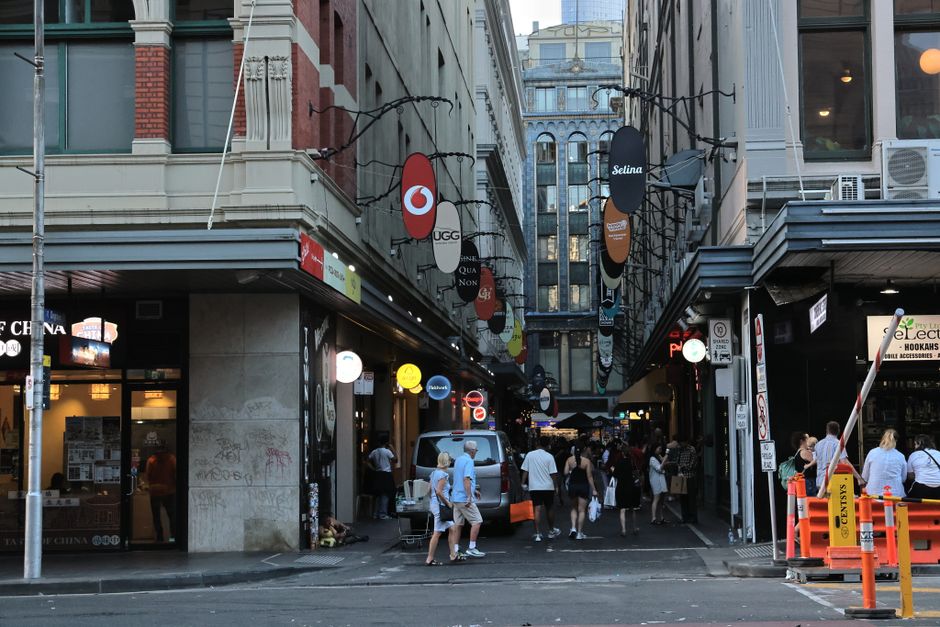
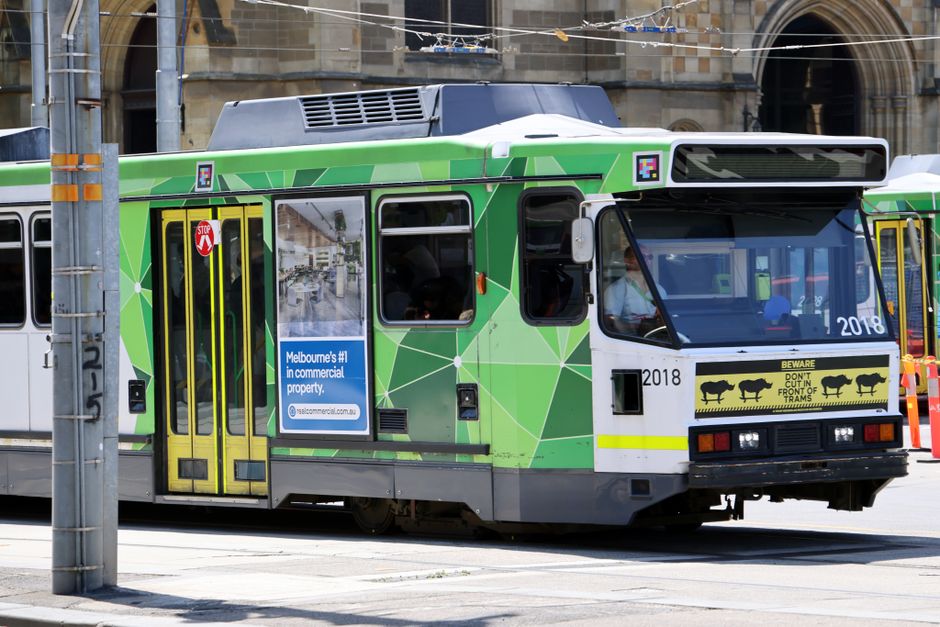
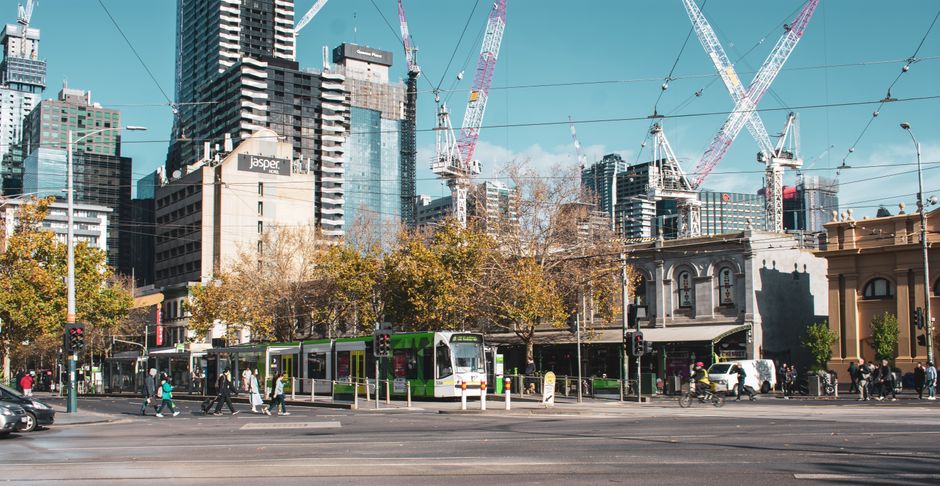
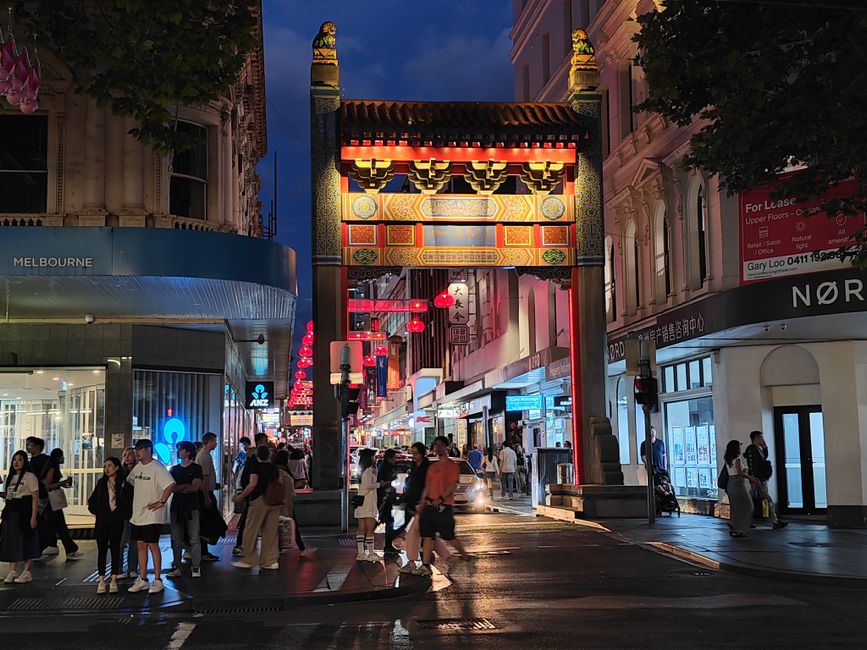
Melbourne received more than 115,000 permanent and long-term migrants in the 2024–25 financial year, according to the Department of Home Affairs — a figure that puts it in the same league as Toronto and ahead of Auckland by a significant margin. The Allan government has pointed to that statistic as proof of the city's ongoing pull. Advocates in the western suburbs say it mostly proves the pressure is real and the infrastructure is lagging.
The timing matters. With federal housing density reforms still grinding through state implementation and a rental vacancy rate sitting below 1.8 per cent across greater Melbourne, the question of how the city absorbs newcomers is no longer abstract. It is playing out on Barkly Street in Footscray, on Sydney Road in Brunswick, and in the stretched waiting rooms of the Refugee Health Service at the Royal Melbourne Hospital on Grattan Street.
What Melbourne does differently — and where it falls short
The city's settlement framework rests on a network of funded multicultural hubs that other comparable cities have struggled to replicate. The Centre for Multicultural Youth, based in West Melbourne, currently runs programs across 14 local government areas and works with young people from more than 60 countries of birth. The Ethnic Communities' Council of Victoria, which has operated since 1974, coordinates advocacy across roughly 220 member organisations — a depth of infrastructure that Amsterdam, for instance, dismantled much of during its integration policy reversals in the 2010s.
Toronto is the closest comparator. Canada's immigration intake has drawn criticism domestically for outpacing housing and service supply, and city councillors in Toronto voted in March 2026 to request a federal review of settlement funding after emergency shelter demand hit record levels. Melbourne has not reached that point, but the gap is narrowing. The Department of Families, Fairness and Housing confirmed in May that its Multicultural Affairs budget for 2025–26 was $73.4 million — a 6 per cent nominal increase that community organisations note does not keep pace with the 18 per cent intake growth recorded over the same period.
Glasgow is the city drawing most attention right now in policy circles, partly because of its violence-reduction work — which Victorian health officials are examining separately — but also because its community anchor model, built around neighbourhood hubs in places like Govanhill, has shown measurable reductions in social isolation among newly arrived populations. The Victorian government sent a delegation to Scotland in April 2026, and officials at the Office of Multicultural Affairs and Citizenship have since flagged a consultation process, though no formal program adoption has been announced.
On the ground in Melbourne's migrant corridors
Footscray's Hopkins Street precinct handles a disproportionate share of new arrivals from South Sudan, the Horn of Africa, and, more recently, Myanmar. The Western Migrant Resource Centre on Nicholson Street processed 4,200 individual client contacts in the six months to March 2026, up from 3,100 in the equivalent period two years earlier. Staff there have flagged that employment pathway programs are consistently oversubscribed, with current wait times for the federally funded Skills for Education and Employment program running at eight to ten weeks in the western suburbs.
The contrast with cities that adopted harder integration models is instructive. Denmark's mandatory introduction program for non-Western migrants, which includes financial penalties for non-compliance, has been credited with lifting employment rates but condemned by human rights bodies for its coercive design. Melbourne's approach remains voluntary and community-led, which proponents argue produces better long-term social cohesion even if short-term employment metrics look messier.
What comes next will depend heavily on whether Canberra adjusts settlement funding in the mid-year economic update expected in December 2026, and on whether the Allan government's housing density push — centred on activity centres within 800 metres of train stations — actually delivers dwellings in the suburbs where most new arrivals are competing for rentals. Community organisations are already preparing submissions to the state's Multicultural Victoria review, due to receive public input until September 5. Residents and newly arrived communities can lodge submissions through the Multicultural Commission's website.