The Density Debate: What Melbourne's Housing Overhaul Actually Means for Your Street
Victoria's push to rezoning hundreds of suburbs is forcing residents to confront a simple question: who gets to decide what a neighbourhood looks like?
4 min read
Victoria's push to rezoning hundreds of suburbs is forcing residents to confront a simple question: who gets to decide what a neighbourhood looks like?
4 min read
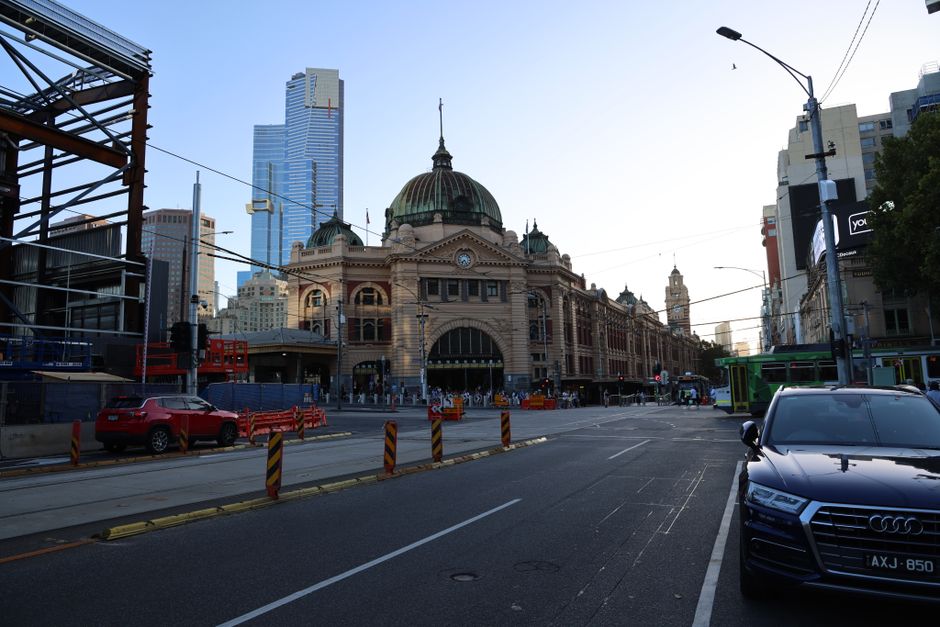
The Allan government's Plan for Victoria rezoning package cleared its final parliamentary hurdle on June 27, and the effects are already landing at the street level. From July 1, councils across 50 Melbourne suburbs lost the power to block medium-density housing within 800 metres of train stations — a radius that swallows most of Brunswick, chunks of Footscray, and nearly all of Coburg's commercial spine along Sydney Road.
This matters now because the timing is brutal. Melbourne's median house price sits at roughly $915,000 according to PropTrack's June 2026 index, down about 4.2 per cent from the same month last year, yet first-home buyers are not returning to the market in meaningful numbers. Affordability remains structurally broken even as prices soften. The government's answer is supply — lots of it, fast — and the rezoning is the bluntest instrument it has reached for.
In Northcote, residents along Separation Street received letters in May from a developer proposing an eight-storey apartment block on land that currently holds three single-storey weatherboard cottages. Under the old Darebin City Council controls, that application would have been dead before it reached a planning officer. Under the new state overlay, the council's discretion narrows sharply. Darebin Mayor Lina Messina said publicly in June that the council accepted the legislative change but wanted stronger infrastructure guarantees before density arrived.
In Footscray, the story is more complicated. The Maribyrnong City Council has been dealing with the knock-on effects of the West Gate Tunnel's completion — increased traffic on Hopkins Street, pressure on the Footscray Hospital precinct, and a pipeline of developer inquiries that planners describe internally as a flood. Community housing organisation HomeGround Services, which manages 1,400 properties across the inner west, has told state government working groups it is concerned that market-rate densification without mandatory affordable housing quotas will push its clients further from services they depend on near Victoria Street.
The government's response is the Homes Victoria Inclusionary Zoning pilot, which launched in March 2026 across six local government areas including Maribyrnong and Merri-bek. It requires developers of projects with 10 or more dwellings to make six per cent of units available below market rate. Advocacy group the Council to Homeless Persons called that figure insufficient in its March submission, arguing Melbourne needs a minimum 15 per cent threshold to make a dent in the 55,000-person social housing waitlist.
Schools and trams are the conversations happening at local residents association meetings right now. The Coburg North Residents Association held a forum at the Coburg Library on June 18 attended by roughly 120 people. The anxiety was less about aesthetics than infrastructure lag — the 19 tram route through Coburg is already running above crush capacity during peak hours, according to Public Transport Victoria's own 2025 patronage data, and Moreland Primary School on Bell Street has been in temporary buildings since 2023 waiting on a Department of Education capital works decision.
There is real evidence that density done well can stabilise housing costs. The Australian Housing and Urban Research Institute released a study in May tracking 12 inner-Melbourne suburbs that allowed gentle infill between 2010 and 2020. Rents in those areas rose 18 per cent over the decade compared with 31 per cent in comparable suburbs that blocked medium-density development. The catch in the current reforms is pace — the AHURI researchers noted that infrastructure investment consistently lagged new housing stock by five to seven years.
For residents trying to navigate what comes next, the practical reality is this: if you live within 800 metres of a station in one of the 50 affected suburbs, you can attend mandatory pre-application consultation sessions now being advertised by councils. These sessions do not give objectors veto power, but they can influence design outcomes. Merri-bek Council is hosting its first round at the Coburg Town Hall on July 15 and July 22. Beyond that, the state government has committed to a 12-month infrastructure audit due in June 2027 — which is when advocates say the real fights about school funding and tram upgrades will begin.
Partner Content
SponsoredPartner Content lets Melbourne businesses reach engaged local readers with a clearly labelled, editorial-style feature. Every placement is marked Sponsored, in line with our sponsored content policy.
About this article
Published by The Daily Melbourne
Daily brief
Free, in your inbox before 7am. Weekdays.
You might also like
News
News
News
News
Free daily briefing
The Daily Network