The Allan government confirmed Thursday that the Suburban Rail Loop Authority has pushed the first stage of its landmark underground rail line — connecting Cheltenham to Box Hill — past its originally flagged 2035 opening window, with officials now acknowledging the project will not carry passengers before 2036 at the earliest. The revision, disclosed in supplementary budget documents tabled in Spring Street, marks the third time the timeline has shifted since the $34.5 billion project was formally approved in 2021.
The timing matters. Victoria is already managing the most expensive suite of public infrastructure projects in the state's history, and cost pressures from labour and materials have not eased the way the government had hoped after the post-pandemic spike. With CFMEU-linked industrial agreements still under renegotiation across multiple major worksites, project managers have been flagging scheduling risk for months. The SRL revision crystallises that risk in public.
North East Link and the Fitzroy Street dispute
Separately, the North East Link project — a 26-kilometre freeway extension designed to close the missing link between the Eastern Freeway at Clifton Hill and the ring road at Greensborough — is generating friction at the local government level. Yarra City Council voted 5-4 on Tuesday to formally object to revised construction access arrangements on Alexandra Parade, arguing that lane closures scheduled for August through November will push heavy freight onto residential streets in Fitzroy and Collingwood. The North East Link Program office has 21 days to respond to the council's submission before the matter can be escalated to the Minister for Roads.
The freeway tunnels themselves are tracking broadly to schedule, with boring machines having passed the 4.2-kilometre mark beneath Bulleen Road as of last week, according to figures released by the project authority. The full tunnel length is 6.8 kilometres. Contractors CPB and Acciona have not publicly flagged a delay, though industry sources with knowledge of the project say wet ground conditions encountered in late June near the Banyule escarpment added roughly three weeks of unplanned work.
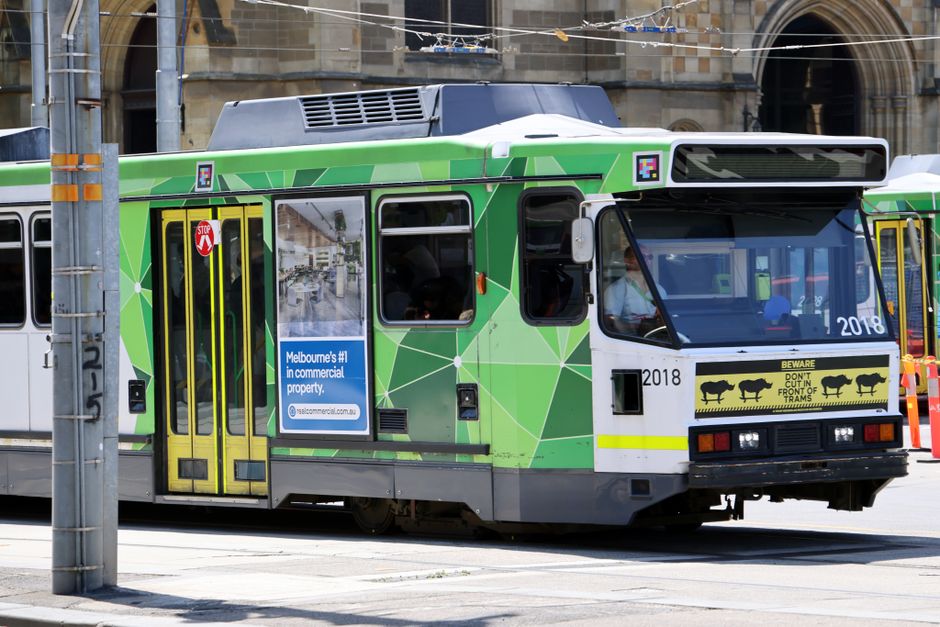
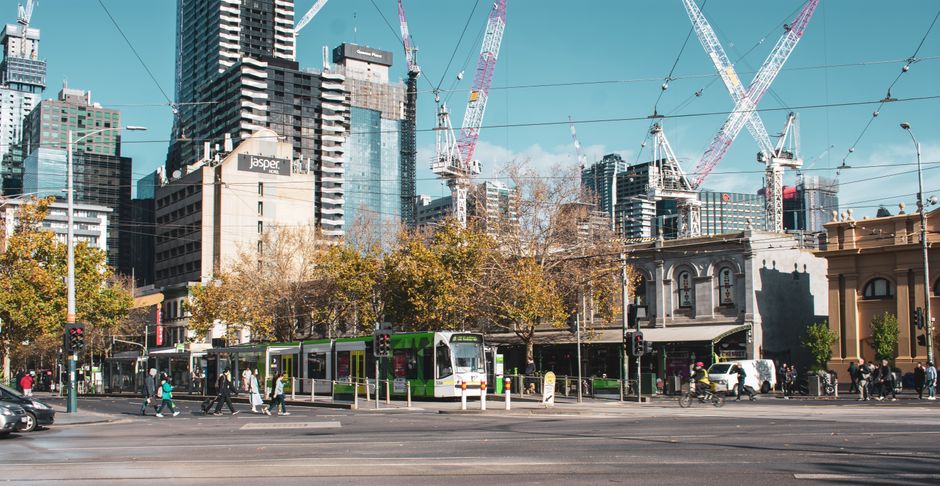
Meanwhile, Yarra Trams confirmed Wednesday that the Route 96 upgrade — the busiest light rail corridor in the Southern Hemisphere, running from East Brunswick through the CBD to St Kilda — will enter a six-week disruption window from July 20. Works centre on the intersection of Bourke Street and Spencer Street, where new platform infrastructure is being installed. Replacement buses will run between Melbourne Central and Flinders Street during the affected period, and Yarra Trams is urging commuters to allow an extra 12 minutes on affected services.
What the budget documents actually show
The supplementary infrastructure estimates, released alongside the Thursday announcement, show the state's total committed spend on major transport projects now sits at $96.3 billion across current and approved future works. That figure includes the Metro Tunnel — which opened its full five-station alignment in 2025 — as well as the West Gate Tunnel, SRL, North East Link and the ongoing Level Crossing Removal Program, which has now eliminated 85 of a promised 110 crossings.
The Level Crossing Removal Authority this week also confirmed that the Sunshine and Albion stations precinct on the Sydenham line will be the subject of a revised design tender, after the initial concept — which would have elevated the rail above Ballarat Road — was scrapped following community consultation that drew more than 4,800 submissions. A new underground option is now the preferred approach, adding an estimated $620 million to that package alone.
For commuters and residents near active worksites, the practical implications are immediate. The Alexandra Parade dispute will be decided within weeks, and any escalation to ministerial level could delay August's planned construction access arrangements. Travellers on Route 96 should plan alternative routes from July 20. For the broader SRL story, the government has committed to releasing a revised project schedule — with stage-by-stage milestones — before the end of the August parliamentary sitting period. That document will be the clearest indicator yet of whether the 2036 date holds.