The Metro Tunnel opens its final station at Arden in North Melbourne later this year, completing a $13 billion underground rail corridor that took the better part of a decade to build. It should be a moment of triumph. Instead, it arrives amid growing pressure on the Victorian government to answer a harder question: what comes next, and who decides?
The answer matters because Melbourne's population is forecast to hit six million by the early 2030s, and the Public Transport Victoria network — already carrying roughly 530,000 daily train boardings on a pre-COVID baseline — is being asked to absorb growth in suburbs that were designed around the car. The housing density reforms pushing apartment towers along Punt Road, Nicholson Street and the Camberwell Junction corridor are accelerating that pressure faster than any planning model anticipated.
The Suburban Rail Loop and the Politics of Delay
The centrepiece of the state government's long-term vision remains the Suburban Rail Loop, a $34.5 billion outer-orbital rail line that would link Cheltenham in the south-east to Werribee in the west via a new tunnel under the eastern suburbs. The first stage, from Cheltenham to Box Hill, has been through a business case and planning approvals. But construction timelines have slipped quietly to the right. Infrastructure Victoria's most recent advice, published in late 2025, suggested the state should sequence the project more carefully against debt-to-GDP limits — language that in practice means slower delivery.
For commuters in Monash and Glen Waverley, where peak-hour Belgrave and Glen Waverley line trains run at crush capacity during school terms, a rail loop that arrives in 2040 rather than 2035 is not an abstraction. It is five more years of standing in the aisle past Caulfield station. The CFMEU, whose members would build the tunnel, has been publicly impatient about procurement timelines. The union's influence inside the Victorian Labor government makes that pressure harder to dismiss than it would otherwise be.
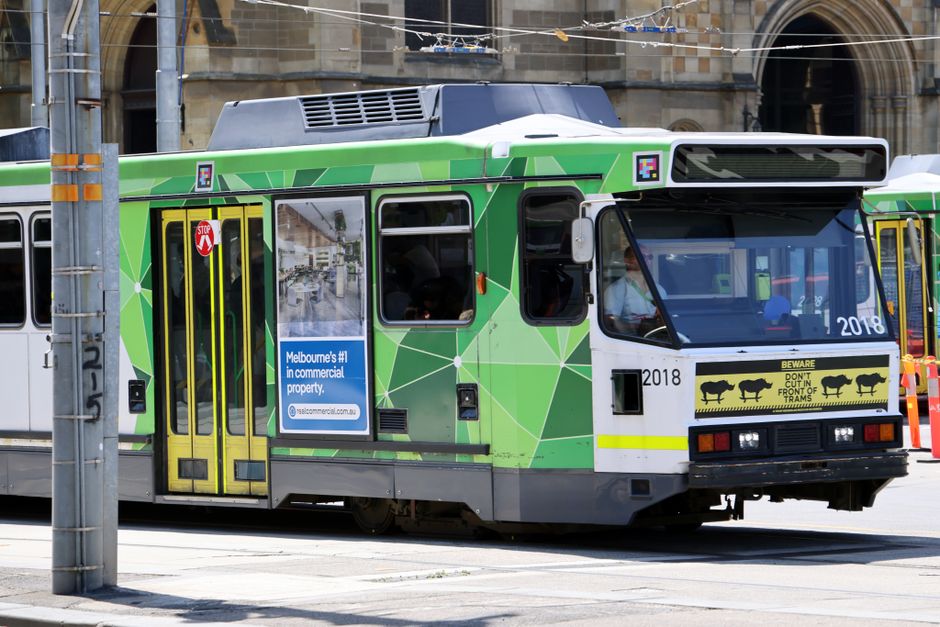
Meanwhile, the 96 tram route — St Kilda Road to East Brunswick, the busiest in the network — recorded more than 22 million boardings in the 2024-25 financial year, according to PTV data. The E-class trams deployed on that corridor since 2017 are at capacity during the morning peak between Melbourne Central and Domain Interchange. Yarra Trams, which operates under a franchise contract that expires in 2028, has flagged that any capacity uplift requires infrastructure investment the state has not yet committed to funding.
Fares, Frequency and the Choices Ahead
The myki fare system, now fifteen years old and widely criticised for its clunky interface and high replacement card costs, is overdue for a rebuild. The Department of Transport and Planning has been quietly scoping a successor system, with an open-loop tap-and-go replacement — similar to London's Oyster Card upgrade — understood to be the preferred model. A public tender is expected before the end of 2026. The transition will cost hundreds of millions of dollars and carry real political risk if it goes wrong, as the original myki rollout spectacularly did.
On frequency, the government's Free Tram Zone — covering the CBD grid from Docklands to Spring Street — costs the budget roughly $130 million a year in foregone revenue and has been under internal review since at least mid-2025. Scrapping it would be politically toxic; extending it to inner-suburban routes is expensive. Neither option is off the table, and neither has been resolved.
The decisions stacking up over the next eighteen months are not small ones. The Suburban Rail Loop construction contract structure, the myki replacement tender, the Yarra Trams franchise renewal and a State Budget expected in May 2027 will collectively determine whether Melbourne's network grows in line with the city or continues to lag behind it. For anyone boarding a packed Sandringham line train at Flinders Street Station on a weekday morning, the difference is not theoretical.