Melbourne's Waterfront Reborn: What the Docklands and Southbank Shake-Up Means for You
A sweeping push to activate Melbourne's underused riverside precincts is forcing a hard conversation about who the waterfront is actually built for.
4 min read
A sweeping push to activate Melbourne's underused riverside precincts is forcing a hard conversation about who the waterfront is actually built for.
4 min read
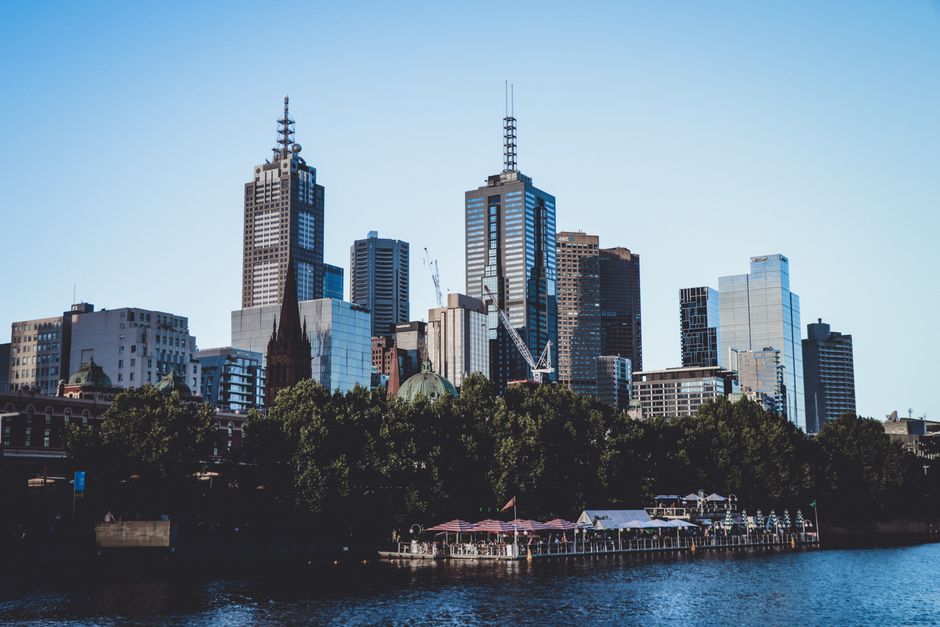
The City of Melbourne is accelerating plans to transform nearly four kilometres of waterfront along the Yarra River, from the Bolte Bridge in the west to Birrarung Marr in the east, in what council officers are describing as the most significant repositioning of the city's public riverine space in two decades. The push, outlined in the updated Melbourne Waterfront Activation Strategy released in late June, targets Docklands in particular — a precinct that has absorbed more than $10 billion in private development since 1997 yet still draws complaints from residents and urban planners about dead streets and wind-swept plazas.
The timing is not accidental. With Melbourne's population projected to hit 6.5 million by 2041 and inner-city apartment living under mounting pressure from the state government's housing density reforms, the question of how public waterfront space functions for everyday residents — not just tourists and corporate tenants — has become genuinely urgent. The activation push also lands against a broader cooling in property sentiment, with buyers showing increasing caution, which puts pressure on local councils and developers to prove that amenity, not just apartments, is what makes a neighbourhood worth living in.
The strategy singles out NewQuay Promenade in Docklands as a priority corridor. Council has committed $4.2 million over the next two financial years to upgrade the waterfront boardwalk, install permanent weather protection structures and fund a rotating program of community markets and outdoor arts activations. The Harbour Esplanade — a wide, often empty boulevard between Docklands Drive and the water — will receive dedicated cycling infrastructure and new food and beverage licensing zones designed to encourage smaller, independent operators rather than the large chain tenancies that have historically dominated the area.
Southbank gets attention too. The Southbank Promenade, running from Princes Bridge past the Arts Centre Melbourne spire to South Wharf, already attracts an estimated 15 million pedestrian movements a year according to City of Melbourne counts from 2025. The new strategy proposes extending licensed outdoor dining hours until midnight on weekends and creating a permanent riverside performance space near the Melbourne Recital Centre on Southbank Boulevard. Arts Centre Melbourne is understood to be in early discussions with council about co-programming that space from summer 2026-27 onwards.
Birrarung Marr, the riverbank parkland just east of Federation Square, is earmarked for expanded First Nations programming in partnership with the Wurundjeri Woi-wurrung Cultural Heritage Aboriginal Corporation, acknowledging the river's deep significance to Traditional Owners long before European settlement turned the Yarra into an industrial corridor.
For the roughly 14,000 people who now call Docklands home — a figure that has doubled since 2016 — the activation push resonates but arrives with scepticism attached. Residents groups, including the Docklands Community Association, have spent years lobbying for a full-time supermarket within walking distance of Harbour Town and for public transport frequency on the 35 tram route that actually matches the density of housing now built there. The waterfront strategy does not directly address either grievance.
The Allan government's involvement is limited for now. The state government's Suburban Rail Loop and housing density agenda have dominated its urban planning bandwidth. But Planning Minister Sonya Kilkenny's office confirmed last month that any waterfront development of significant scale would still require referral under Victorian planning controls, meaning council cannot move unilaterally on major built structures.
Residents who want to engage with the process have until August 15 to submit feedback through the City of Melbourne's online Participate Melbourne portal. Pop-up consultation sessions are scheduled at the Docklands Library on Waterfront City Parade on July 19 and at the Southbank Community Hub on City Road on July 26. The council's environment and infrastructure portfolio committee will review submissions in September before any funding commitments beyond the initial $4.2 million are locked in. Show up, or the decision gets made without you.
Partner Content
SponsoredPartner Content lets Melbourne businesses reach engaged local readers with a clearly labelled, editorial-style feature. Every placement is marked Sponsored, in line with our sponsored content policy.
About this article
Published by The Daily Melbourne
Daily brief
Free, in your inbox before 7am. Weekdays.
You might also like
News
News
News
News
Free daily briefing
The Daily Network