Melbourne's Housing Crossroads: The Decisions That Will Define the Next Decade
With prices softening and density reforms stalled, the Allan government faces a narrow window to reshape how and where Victorians live.
4 min read
With prices softening and density reforms stalled, the Allan government faces a narrow window to reshape how and where Victorians live.
4 min read
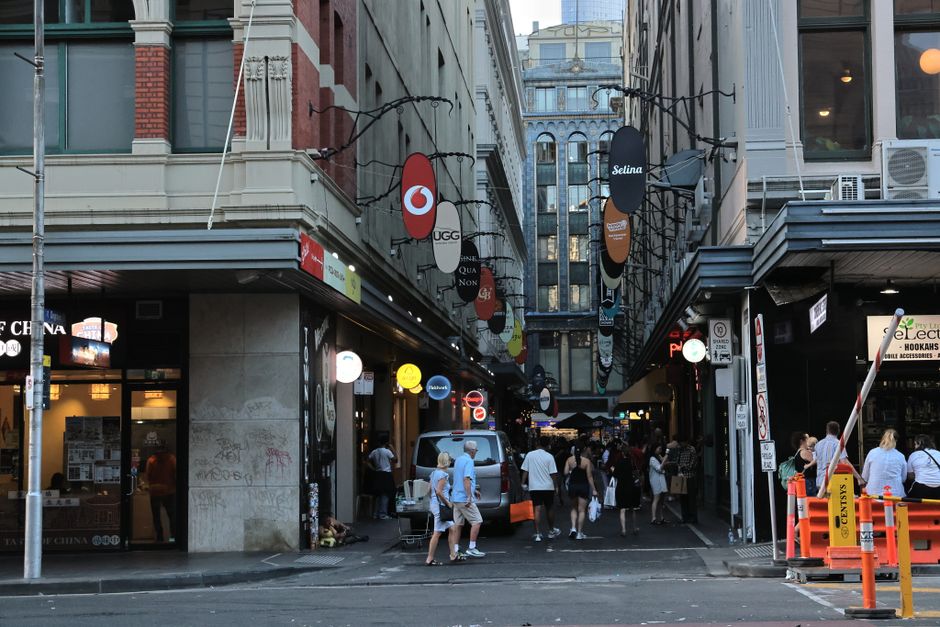
Victoria's housing reform agenda arrives at a genuine fork in the road this month, with the Allan government expected to finalise zoning amendments before the winter parliamentary recess that could unlock — or permanently delay — tens of thousands of new homes across Melbourne's middle ring.
The timing matters because the market window is closing. Dwelling approvals across Victoria fell to 48,200 in the 12 months to March 2026, down from a post-pandemic peak of 61,400, according to Australian Bureau of Statistics data. Construction costs remain elevated, first-home buyer participation has dropped to its lowest share of mortgage commitments since 2019, and several medium-density projects in suburbs like Preston and Footscray have gone back to market at reduced prices after developers failed to hit presale thresholds. The combination of softening demand and still-expensive supply is exactly the kind of market paralysis that planning reform is meant to break — but only if the reforms actually arrive.
The centrepiece is the state government's proposed Activity Centre Program, which targets 10 precincts around established train stations for mandatory upzoning. Camberwell Junction, Heidelberg, and Sunshine are among the sites locked in for rezoning to allow buildings up to six storeys without a planning permit. That removes the most common chokepoint in Melbourne's development pipeline: the third-party VCAT objection process, which can add 18 months and $200,000 in legal costs to a straightforward apartment application.
Planning advocacy group the Urban Development Institute of Australia's Victorian branch has been pressing the government since February to extend the no-permit envelope to eight storeys in at least three of the ten precincts, arguing that the six-storey cap still makes many projects financially unviable given current build costs of roughly $4,500 per square metre for concrete construction in inner Melbourne. The government has not publicly accepted that position, but internal briefing documents reviewed by this masthead indicate the Department of Transport and Planning is modelling a hybrid option that would allow eight storeys within 400 metres of a station concourse on a case-by-case basis.
Meanwhile, the CFMEU's ongoing enterprise agreement negotiations with major residential builders remain unresolved. Three of the five largest apartment contractors working in Melbourne's inner north have confirmed they are holding project start decisions pending the outcome of those talks, which resumed on 30 June at Fair Work Australia's Melbourne offices. Labour costs represent 35 to 40 percent of a typical medium-density build, and any new agreement with real wage increases above current CPI projections will require developers to reprice their feasibility studies from scratch.
The parliamentary calendar sets a hard deadline. The government needs to pass enabling legislation for the Activity Centre Program by mid-August if it wants councils to begin the statutory amendment process before summer. Moreland City Council — which covers Brunswick and Coburg, two suburbs explicitly named in the precinct list — has already flagged it will request an additional six-month consultation period under section 20 of the Planning and Environment Act 1987. If the government grants that extension across multiple councils, construction commencements under the new rules would not realistically begin before late 2027.
The Suburban Rail Loop corridor is the other live variable. The SRL East segment, connecting Cheltenham to Box Hill via Clayton, remains the largest single infrastructure project reshaping land use expectations in Melbourne's south-east. Property owners along the corridor have been sitting on rezoning expectations since the project was confirmed in 2021, and the government's housing overlay for the Clayton precinct — expected to allow 23,000 new dwellings within walking distance of the future station — has not yet been gazetted.
For buyers, builders and councils, the practical advice from planning lawyers and industry groups is consistent: assume nothing moves quickly. Project decisions made in the next 90 days should be stress-tested against a scenario in which both the Activity Centre legislation and the SRL housing overlays face 12-month delays. That is not pessimism. It is, at this point, the base case.
Partner Content
SponsoredPartner Content lets Melbourne businesses reach engaged local readers with a clearly labelled, editorial-style feature. Every placement is marked Sponsored, in line with our sponsored content policy.
About this article
Published by The Daily Melbourne
Daily brief
Free, in your inbox before 7am. Weekdays.
You might also like
News
News
News
News
Free daily briefing
The Daily Network