The Data Statistics and Numbers Behind Melbourne's Housing Density Reform
A closer look at the numbers driving the debate on Melbourne's housing future
3 min read
A closer look at the numbers driving the debate on Melbourne's housing future
3 min read
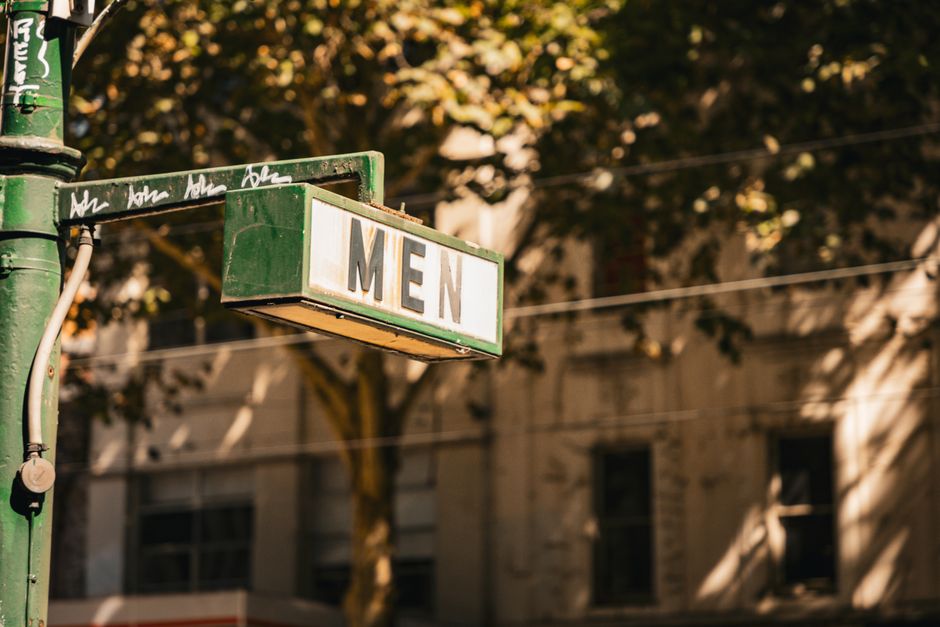
Melbourne's housing density reform has reached a critical juncture, with the Victorian government's proposal to increase density in key suburbs sparking heated debate among residents, developers, and planners. The key fact is that Melbourne's population is projected to grow by 2 million people over the next 20 years, putting immense pressure on the city's housing stock.
This matters now because the city is at a crossroads, with the choice between increasing density in established suburbs or pushing development further out into the fringe. The Victorian government's Plan Melbourne 2017-2050 strategy aims to accommodate this growth while preserving the city's liveability and character. However, the CFMEU union has raised concerns about the impact of increased density on workers and communities, highlighting the need for careful planning and consideration of the numbers behind the reform.
In Melbourne, the debate is playing out in specific locations such as Brunswick and Coburg, where residents are pushing back against proposals for high-rise development along Sydney Road. The City of Moreland has established a housing strategy that aims to balance growth with community needs, while organisations like the Melbourne Housing Expo and the Victorian Planning Authority are working to educate residents and stakeholders about the benefits and challenges of increased density. The Melbourne University's School of Architecture is also conducting research on the impact of density on urban liveability, with a focus on case studies in areas like Carlton and Fitzroy.
A closer look at the data reveals some interesting statistics. According to the Australian Bureau of Statistics, the median house price in Melbourne is currently around $930,000, with apartments averaging $640,000. However, a report by the Grattan Institute found that increasing density in established suburbs could reduce housing prices by up to 20% by increasing supply and reducing construction costs. The report also noted that the current average density in Melbourne is around 20 dwellings per hectare, compared to 50 dwellings per hectare in cities like Sydney and Brisbane. The Victorian government has set a target of increasing the city's average density to 30 dwellings per hectare by 2030, which would require the construction of an additional 400,000 homes.
As the debate moves forward, it's essential to consider the practical implications of the reform. Residents and stakeholders can expect a series of community consultations and planning meetings, starting with a public forum at the Melbourne Town Hall on July 15. The Victorian government has also established a website with detailed information on the reform, including data and research reports. For those looking to get involved, organisations like the Melbourne Community Council and the Planning Institute of Australia are offering resources and guidance on how to navigate the planning process and have a say in the future of Melbourne's housing landscape.
Partner Content
SponsoredPartner Content lets Melbourne businesses reach engaged local readers with a clearly labelled, editorial-style feature. Every placement is marked Sponsored, in line with our sponsored content policy.
About this article
Published by The Daily Melbourne
Daily brief
Free, in your inbox before 7am. Weekdays.
You might also like
News
News
News
News
Free daily briefing
The Daily Network