The Numbers Driving Melbourne's War on Duplicate Images Online
From Fitzroy studios to Southbank ad agencies, the scale of duplicated digital images is larger than most creators realise — and the data makes a compelling case for action.
4 min read
From Fitzroy studios to Southbank ad agencies, the scale of duplicated digital images is larger than most creators realise — and the data makes a compelling case for action.
4 min read
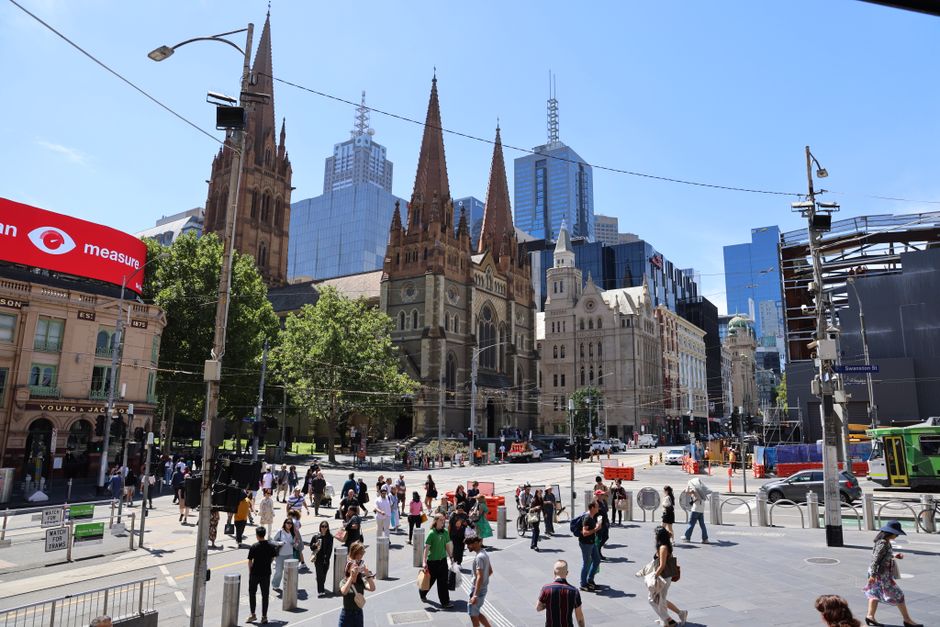
Tens of thousands of digital images circulating across Melbourne's creative and commercial sectors are duplicates — identical or near-identical files consuming storage, distorting copyright records, and quietly draining budgets. The problem is measurable, and the numbers are catching the attention of digital asset managers, photographers, and government-linked cultural bodies alike.
The timing matters. Victoria's creative industries are mid-way through a state-backed digitisation push, with organisations including the State Library of Victoria and Creative Victoria actively expanding their digital collections and public-facing image libraries. When duplicate files go undetected, they compound metadata errors, inflate storage costs, and create legal grey zones around licensing — problems that grow harder to unwind the larger the archive becomes.
Industry research published by the Digital Asset Management Society in 2025 found that duplicate files account for roughly 30 per cent of total storage in unmanaged digital libraries across media and creative organisations. For a mid-sized Melbourne agency running 10 terabytes of assets — not uncommon on Flinders Lane, where several boutique production houses are clustered — that figure translates to approximately 3 terabytes of redundant files. At current enterprise cloud storage rates of around $30 per terabyte per month, that redundancy alone costs a business close to $1,080 a year before factoring in any workflow or licensing complications.
The State Library of Victoria, which holds more than 1.5 million digitised images in its public collection, has previously acknowledged the challenge of deduplication within large-scale archival projects. The library's ongoing digitisation work, centred on its La Trobe Reading Room headquarters on Swanston Street in the CBD, involves continuous quality audits — but even sophisticated institutional pipelines are not immune to duplication at ingestion points.
Melbourne Polytechnic's digital media programs, based at the Preston campus on Alan Street, expose students to asset management discipline early, but practitioners report that habits formed in professional environments often override that training. A photographer shooting commercial work in Fitzroy or South Yarra might deliver 800 images from a single job, with the client, the agency, and a third-party platform each archiving their own copy. Within six months, variants, crops, and re-exports can push the total file count for that shoot past 3,000 — most of them, functionally, duplicates.
Automated deduplication software has existed for years, but adoption among smaller Melbourne operators remains patchy. Products in this category range from free open-source options to enterprise-grade platforms priced at $500 to $2,000 annually. The gap in uptake tends to fall along the same line as business size — sole traders and small studios in Collingwood or Brunswick rarely budget for digital asset management tooling until a specific crisis forces the issue, such as a copyright dispute or a storage bill that doubles unexpectedly.
The copyright dimension is increasingly consequential. Under Australian copyright law, ownership of an image is not transferred simply by possession of a file. Duplicate images sitting in unmanaged folders can create confusion about which version is the licensed copy, particularly when metadata has been stripped — a common byproduct of emailing or re-exporting files. The Australian Copyright Council, based in Sydney but with resources widely used by Victorian practitioners, has flagged metadata integrity as a growing area of concern for the creative sector.
Practically speaking, the advice from digital archivists is consistent: run a deduplication audit before any major platform migration, not after. Organisations preparing to shift image libraries to new content management systems — a process several Melbourne local councils and cultural institutions are undertaking through the 2026 financial year — face compounding costs if duplicate files travel intact into the new environment. A single audit conducted before migration is significantly cheaper than remediation work done on the other side of a system changeover. For individual photographers and small studios, even a free tool like dupeGuru run quarterly can prevent the problem from becoming structural. The numbers argue for acting early.
Partner Content
SponsoredPartner Content lets Melbourne businesses reach engaged local readers with a clearly labelled, editorial-style feature. Every placement is marked Sponsored, in line with our sponsored content policy.
About this article
Published by The Daily Melbourne
Daily brief
Free, in your inbox before 7am. Weekdays.
You might also like
News
News
News
News
Free daily briefing
The Daily Network