news
Melbourne's Housing Density Reform Accelerates Amid Affordability Concerns
A crucial week for Melbourne's housing landscape as the Victorian government pushes forward with reforms amidst community debate and concerns over affordability and sustainability.
How we reported this
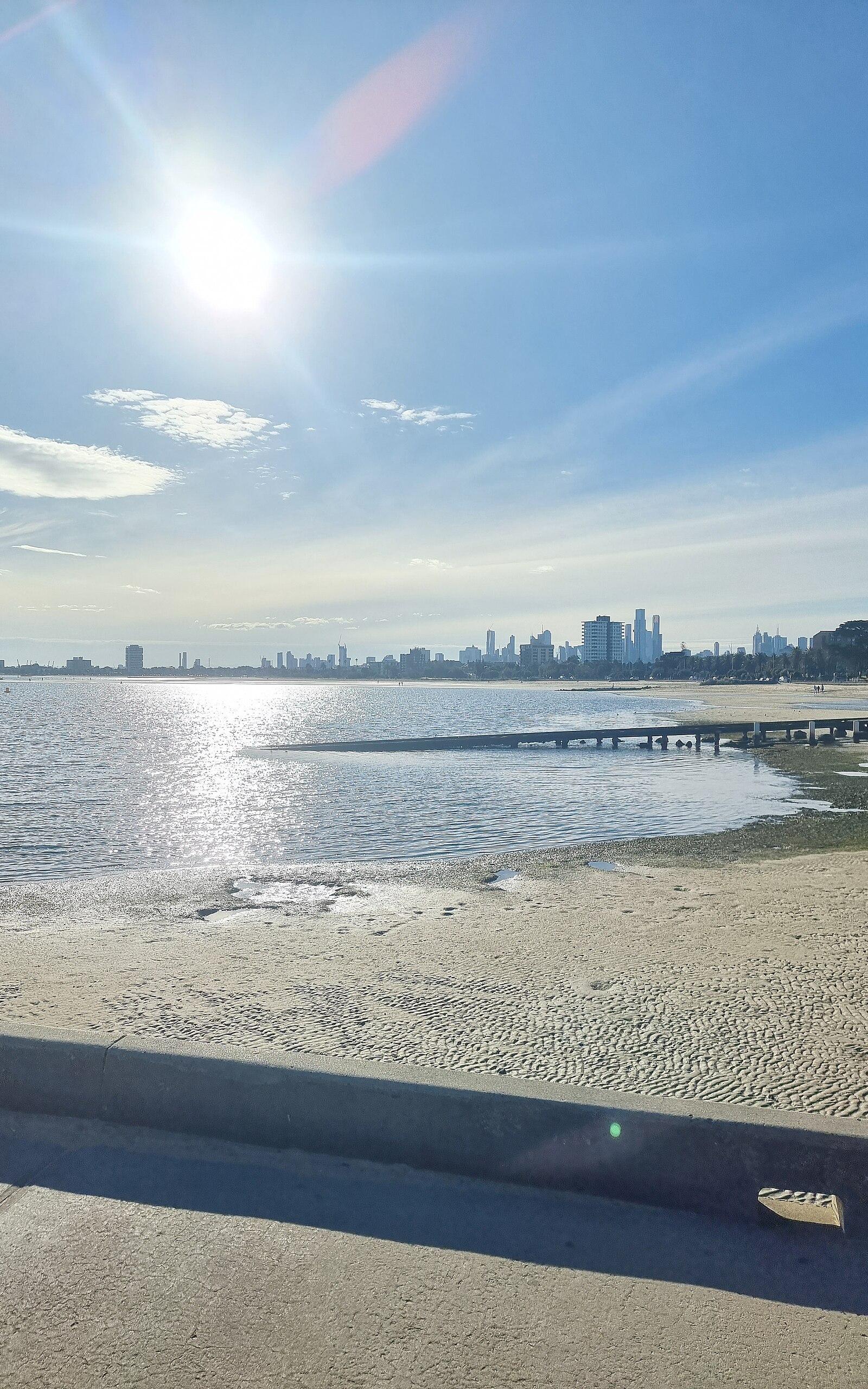
This week, the Victorian government announced significant amendments to its housing density reform plan, aiming to increase the supply of affordable housing in Melbourne while addressing community concerns over high-rise developments. The key fact is that the government will introduce new zoning laws to encourage more medium-density housing, such as townhouses and apartments, in areas like Brunswick and Coburg.
The reform matters now because Melbourne is facing a severe housing affordability crisis, with the median house price exceeding $1 million in many suburbs. The city's population is projected to grow to 5 million by 2025, putting additional pressure on the housing market. Organisations like the Australian Institute of Architects and the Property Council of Australia have been vocal about the need for sustainable and inclusive urban planning, which the government's reform aims to address.
Local Developments and Community Engagement
In Melbourne, specific neighbourhoods like Fitzroy and Carlton will see increased density, with the government investing $10 million in community infrastructure, such as parks and public transport, to support the growth. The City of Melbourne has also launched a consultation program, engaging with residents and local businesses to ensure that the reform benefits the community. For example, the Melbourne Housing Expo, held at the Melbourne Convention and Exhibition Centre, provided a platform for industry experts, community groups, and residents to discuss the reform and its implications.
According to data from the Australian Bureau of Statistics, the number of apartments approved for construction in Melbourne increased by 25% in the past year, with the average price of a new apartment in the CBD reaching $640,000. The reform aims to reduce this price by increasing supply and encouraging more affordable housing options. As of June 2026, the Victorian government has reported that over 1,000 new affordable housing units have been built in Melbourne, with a target of 5,000 units by the end of 2028.
As the reform progresses, residents and prospective homebuyers can expect more affordable housing options to become available. The government advises individuals to check the Victorian Government's website for updates on the reform and to participate in community consultations to ensure their voices are heard. With the reform's focus on sustainability and community engagement, Melbourne is poised to become a more livable and affordable city for its residents.