Stolen Faces, Stolen Stories: Melbourne Communities Speak Out on the Duplicate Image Crisis
From Footscray to Fitzroy, residents say their photos are being scraped, reused and misrepresented online — and they want answers.
4 min read
From Footscray to Fitzroy, residents say their photos are being scraped, reused and misrepresented online — and they want answers.
4 min read
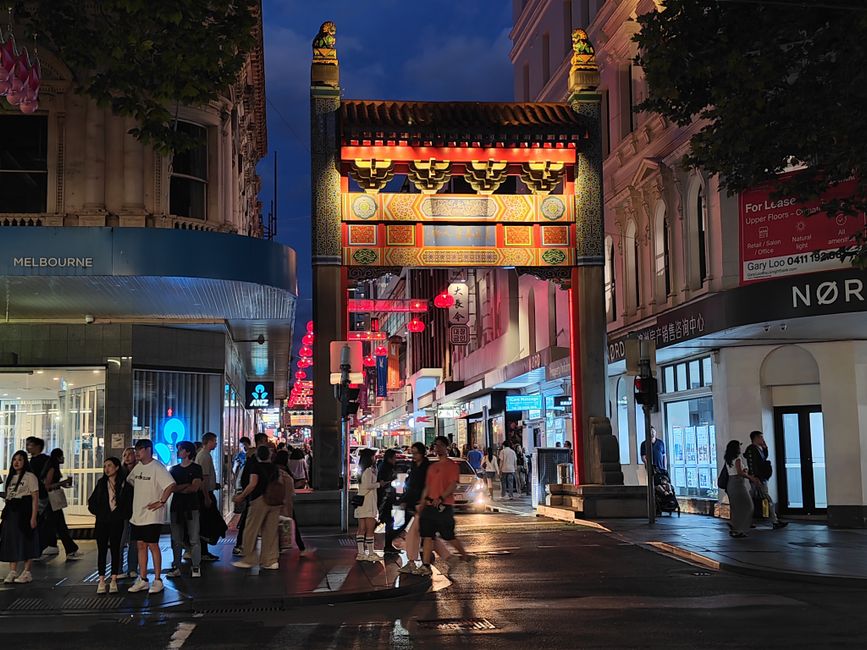
When a Vietnamese-Australian community organisation in Footscray discovered its members' photographs had been lifted from its website and reposted across unrelated platforms without consent, the group's administrators were left scrambling. The images — taken at a 2024 Lunar New Year celebration on Barkly Street — had been repurposed to illustrate content the community had nothing to do with. It was, members said, a violation that felt deeply personal.
The incident is not isolated. Across Melbourne, community groups, small businesses and cultural organisations are grappling with the growing problem of duplicate image replacement — a practice where photographs are scraped from legitimate sources and inserted into third-party websites, social media accounts, or AI-generated content pipelines without the knowledge or permission of the people pictured. The issue has sharpened this week as global attention turns to data ethics and digital identity in the lead-up to Australia's planned reforms to the Privacy Act.
The suburb of Sunshine, home to a large Pacific Islander and South Sudanese diaspora, has seen several local sports clubs and church groups report similar problems since the start of 2026. The Western Bulldogs Community Foundation, which coordinates outreach programs across Melbourne's west, has fielded concerns from affiliated groups about images taken at local events appearing in contexts ranging from commercial advertising to politically charged social media posts. Administrators say the process of getting images removed is slow and often requires lodging complaints with platforms that can take weeks to respond.
In Carlton, the Cohealth network — which runs community health services across inner-northern Melbourne — updated its digital image policy in March 2026 after a staff member noticed a patient-facing photograph from the organisation's Brunswick clinic had surfaced on an unrelated health-information site operating offshore. Cohealth could not immediately be reached for comment on Saturday.
Advocates working in the digital rights space point to a structural gap. Australia's current Privacy Act does not explicitly classify a photograph of an identifiable person as "personal information" in all circumstances, creating ambiguity about when scraping and reuse constitutes a breach. The Attorney-General's Department has flagged amendments to address this, with a consultation period that closed in April 2026, but legislation has not yet been introduced to parliament.
Community members across several Melbourne suburbs say the problem is compounding existing anxieties about digital identity, particularly in migrant communities where photographs of cultural events and religious gatherings carry significant weight. A Somali cultural association based in Dandenong — a city of roughly 30,000 people in Melbourne's south-east — said it had removed nearly 40 images from its public Facebook page in the past six months after discovering several had been copied to unrelated profiles. The group now watermarks every image before posting.
Practical steps being recommended by digital literacy organisations include reverse-image searching new photographs before publishing them publicly, using tools such as Google Images or TinEye to monitor unauthorised reuse, and applying visible watermarks or metadata tags. The eSafety Commissioner's office offers a free image-based abuse reporting tool, and community legal centres including Fitzroy Legal Service on Johnston Street have begun fielding inquiries about image rights under existing intellectual property and privacy frameworks.
The state government's Digital Victoria strategy, published in 2023, committed to improving digital safety resources for vulnerable communities, but community workers say on-the-ground support remains patchy. A digital literacy program run through libraries in the City of Maribyrnong has offered workshops on image rights since February 2026, with sessions booked out through August.
For the Footscray organisation, the immediate priority is straightforward: get the images down and make sure it doesn't happen again. Members are working with a volunteer from a Docklands-based tech firm to conduct a full audit of where their photographs have appeared online. It is slow, methodical work — and for many small community groups without dedicated staff, it is work they cannot easily afford to do.
Partner Content
SponsoredPartner Content lets Melbourne businesses reach engaged local readers with a clearly labelled, editorial-style feature. Every placement is marked Sponsored, in line with our sponsored content policy.
About this article
Published by The Daily Melbourne
Daily brief
Free, in your inbox before 7am. Weekdays.
You might also like
News
News
News
News
Free daily briefing
The Daily Network