news
Melbourne's Housing Density Reforms Lag Behind Vancouver and Manchester Strategies
The Victorian capital's targeted upzoning around transport corridors sets a measured pace against faster overhauls in places such as Vancouver and Manchester.
How we reported this
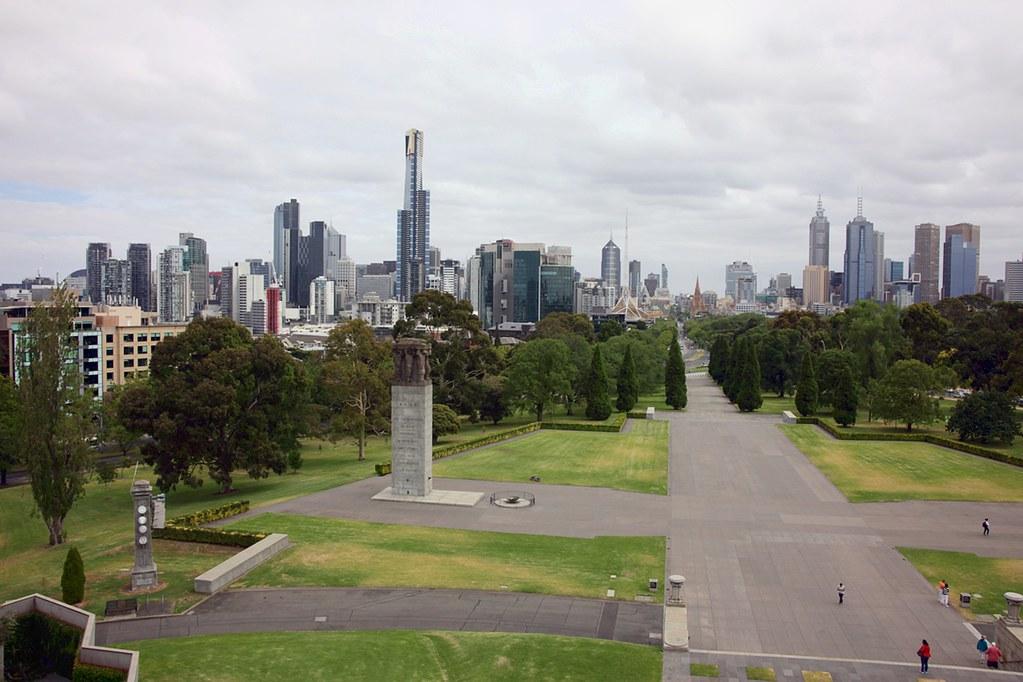
Melbourne City Council endorsed new density rules last month that permit buildings up to six storeys within 800 metres of selected train stations, a step that directly addresses the state government's 1.8 million new homes target by 2051.
The policy shift arrives as Victoria records its fastest population growth in a decade, with net overseas migration adding 92,000 residents in the year to March 2026, pushing pressure on inner and middle-ring suburbs where detached housing still dominates 68 percent of stock.
Targeted Corridors and Union Input
Planners have identified specific sites along the Upfield line in Brunswick and the Cranbourne line near Dandenong for the first wave of medium-density approvals, with the Victorian Planning Authority coordinating design standards that require 20 percent affordable units in projects over 20 dwellings. The CFMEU has secured clauses in project agreements that mandate local apprenticeships on these sites, a provision not mirrored in comparable density programs in Toronto.
By contrast, Vancouver's 2023 blanket upzoning near SkyTrain stations produced a 34 percent jump in permit applications within 12 months, while Manchester's Places for Everyone plan relies more heavily on green-belt releases. Melbourne's approach keeps height limits tighter outside activity centres and ties approvals to existing infrastructure capacity studies released in April.
Measured Outcomes and Next Steps
State data show average apartment prices in the inner north reached $685,000 in June, still below Sydney's equivalent median of $812,000, yet rents for two-bedroom units have climbed 11 percent year-on-year in Fitzroy and North Melbourne. The City of Melbourne's own monitoring dashboard, updated weekly, tracks net new dwellings against a quarterly benchmark of 2,400 completions.
Residents can check the Department of Transport and Planning's online map for affected streets before lodging objections, with the next round of public consultations scheduled for late August in the City of Moreland and City of Darebin chambers.