Melbourne planning transparency rules 2026: what to know
Victoria's new planning data standards take effect September 2026 across all 79 councils. Here's how Melbourne residents can access development application information faster.
2 min read
Victoria's new planning data standards take effect September 2026 across all 79 councils. Here's how Melbourne residents can access development application information faster.
2 min read
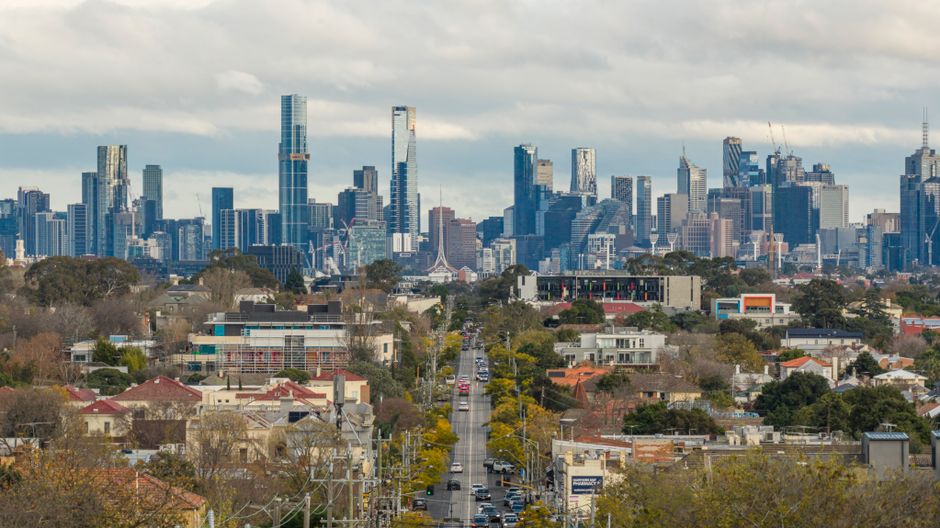
Melbourne residents seeking information about planning applications in their area will soon have easier access to council data, following Victoria's implementation of updated local government transparency requirements that take effect across all 79 councils by September 2026.
The new planning data standards, mandated by the Department of Jobs, Precincts and Regions, require councils to publish standardised information about development applications, approvals, refusals and conditions in machine-readable formats on their websites. For Melbourne residents, this means that instead of navigating different council portals with varying layouts and search tools, a centralised approach will allow faster cross-referencing of projects across suburbs and suburbs. The policy affects decisions on everything from medium-density housing approvals in inner suburbs like Brunswick and Footscray to retail and office developments in the CBD.
Councils including Melbourne City Council, Moreland, Yarra and Darebin have begun pilot programs testing the data standards. Local government analysts note that standardised reporting could help residents, community groups and developers understand approval timelines and conditions more quickly, though implementation varies by council capacity and existing digital infrastructure. The Productivity Commission has previously identified planning data transparency as a factor in reducing uncertainty for housing development in major cities.
The deadline carries practical implications for Melbourne households. Faster access to planning information allows residents more time to lodge objections during public comment periods, which typically run 14 to 21 days from application lodgement. Community groups monitoring medium-density and mixed-use projects across Melbourne's inner ring have flagged that clearer data availability could strengthen participation in planning decisions that shape neighbourhood character and local amenity.
Councils must also publish data on decision timeframes and approval rates, potentially exposing variations in processing speeds that affect housing supply and development certainty. For renters and buyers navigating Melbourne's tight housing market, faster planning approvals in some areas could eventually influence availability and costs, though policy analysts caution that transparency alone does not accelerate approvals or reduce planning complexity.
Residents can check their council's planning portal from September onwards to see whether new data tools have been activated. The Department of Jobs, Precincts and Regions website will list participating councils and compliance status as the deadline approaches.
This article was compiled by AI and screened before publishing. See our editorial standards.
Partner Content
SponsoredPartner Content lets Melbourne businesses reach engaged local readers with a clearly labelled, editorial-style feature. Every placement is marked Sponsored, in line with our sponsored content policy.
About this article
Published by The Daily Melbourne
Daily brief
Free, in your inbox before 7am. Weekdays.
You might also like
Free daily briefing
The Daily Network