Melbourne election coverage reform aims to boost local voter information
New policies promise increased focus on community issues and expert analysis in election reporting, helping Melburnians navigate key local concerns.
3 min read
New policies promise increased focus on community issues and expert analysis in election reporting, helping Melburnians navigate key local concerns.
3 min read
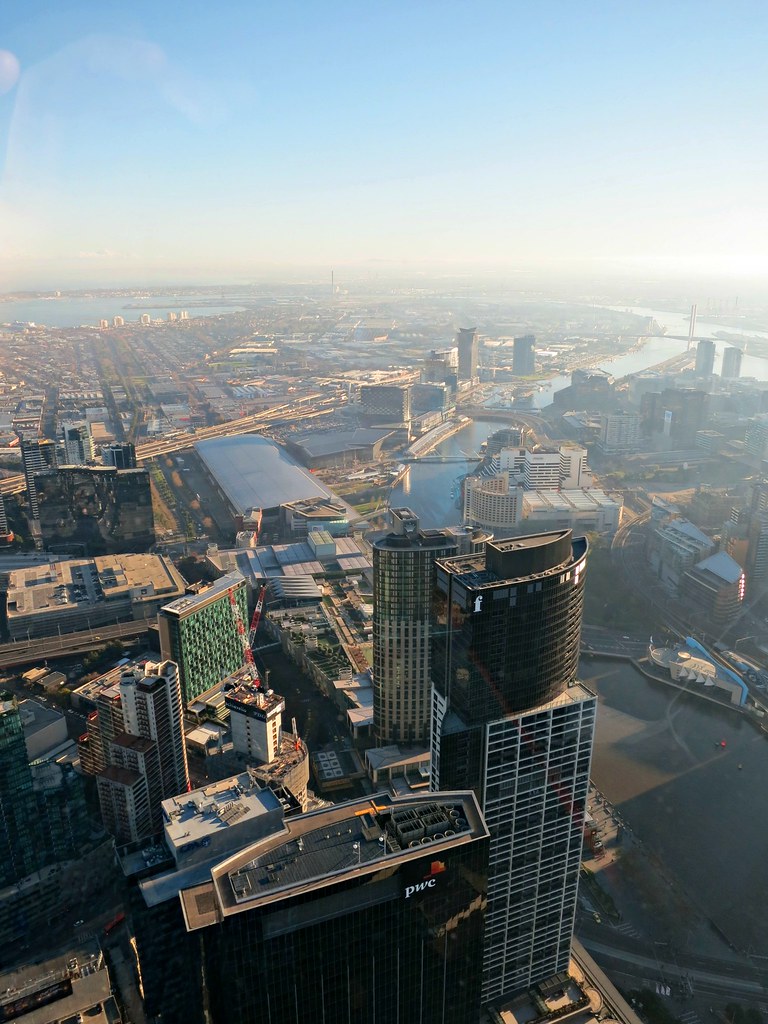
The Victorian Electoral Commission and local media organisations have recently unveiled new guidelines designed to enhance election coverage with a stronger focus on Melbourne’s community concerns, candidate policies, and expert analysis. This initiative aims to provide clearer, more accessible information to voters ahead of the 2026 state election.
This development responds to growing calls from local advocacy groups and policy experts for election reporting that goes beyond party politics to highlight the tangible impacts of policies on Melbourne's residents. It arrives amid heightened public interest in pressing issues such as housing affordability, transport infrastructure projects including the Metro Tunnel and West Gate Tunnel, and the renewable energy transition.
The new coverage framework encourages journalists to include insights from local policy specialists, urban planners, and community representatives, ensuring voters receive detailed explanations of how electoral promises will affect their daily lives. For example, analysis of proposed housing density reforms will now consider their effect on renters in suburbs like Footscray and Carlton, where rental prices have surged by 14% over the past year according to the Victorian Residential Tenancies Report 2026.
Similarly, transport initiatives linked to the Metro Tunnel project will be explored through expert commentary on their projected impact on commute times, capacity, and economic activity in inner-city precincts. Local public health advocates have welcomed the emphasis on including voices from Melbourne’s diverse communities, aiming to clarify how candidates' policies on renewable energy and job creation may benefit workers in sectors undergoing transition.
Statistics will play a key role under the new guidelines. According to the Victorian Budget 2026-27, $2.7 billion has been allocated to transport infrastructure in Melbourne this financial year, including funding for the West Gate Tunnel project extension. Reporters are encouraged to use such figures to provide voters with a clear understanding of the scale and timing of investments.
Additionally, the coverage is expected to highlight data from studies such as the Productivity Commission’s recent findings on job market changes in Victoria’s construction and renewable energy sectors, sectors that employ a significant portion of Melbourne’s workforce. This data-based approach seeks to move beyond campaign rhetoric to present voters with factual assessments of policy impacts.
Community groups note that more transparent and locally focused election reporting can assist traditionally underrepresented Melbourne neighbourhoods. One community advocate described the new guidelines as helping residents in areas like Dandenong and Sunshine better grasp how candidates’ plans may affect access to services, employment, and housing stability.
Looking ahead, the Electoral Commission plans to collaborate with Melbourne’s major media outlets to implement these guidelines in the lead-up to the 2026 state election scheduled for November. The policy change also includes training sessions for political correspondents and community journalists to strengthen local reporting skills. These efforts aim to equip Melburnians with the detailed information needed to make informed decisions when voting.
Partner Content
SponsoredPartner Content lets Melbourne businesses reach engaged local readers with a clearly labelled, editorial-style feature. Every placement is marked Sponsored, in line with our sponsored content policy.
About this article
Published by The Daily Melbourne
Daily brief
Free, in your inbox before 7am. Weekdays.
You might also like

Policy
Policy

Policy
Policy
Free daily briefing
The Daily Network