Gentrification rarely arrives unannounced. For property investors and long-term residents alike, recognising the early signs can mean the difference between capitalising on emerging opportunities and being caught off guard by neighbourhood transformation.
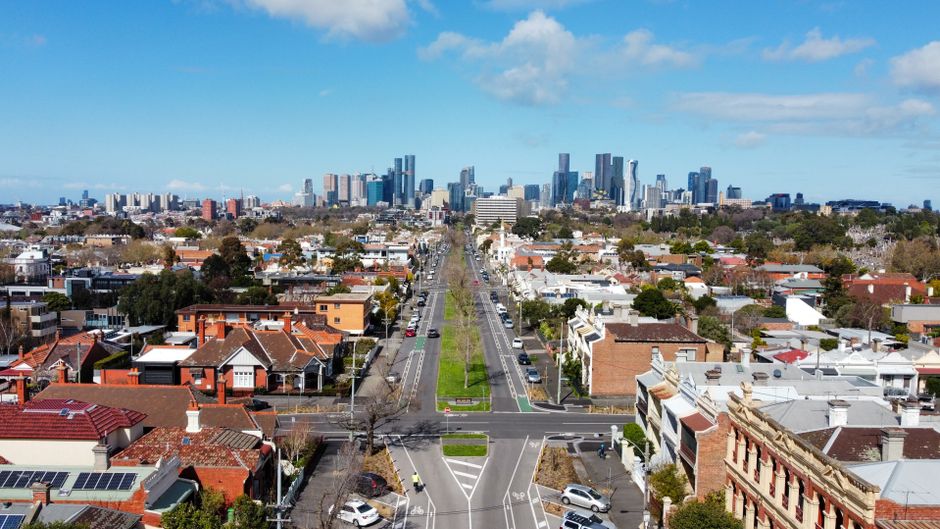
Melbourne's property landscape is shifting rapidly, and several suburbs are displaying classic gentrification markers. Inner-ring areas like Brunswick and Northcote have already experienced significant uplift, but savvy observers are now tracking the next wave of candidates—and the indicators are surprisingly consistent.
The first signal is retail evolution. When independent cafes, boutique fitness studios, and artisanal food venues begin replacing traditional local shops, gentrification is typically gaining momentum. Preston's High Street and parts of Coburg are displaying this pattern, with new laneway bars and concept stores emerging alongside family-run institutions. "Hospitality density is a reliable leading indicator," explains property analyst insights from recent market movements.
Housing stock renovation follows close behind. Look for increasing instances of heritage weatherboards receiving modern extensions, period fibro homes undergoing sympathetic restoration, and average asking prices climbing faster than broader Melbourne trends. Suburbs like Reservoir and Pascoe Vale are showing these patterns, with median values rising 8-12% annually—outpacing the Victorian average of around 4-5%.
Transport investment matters too. Areas with improving PT connectivity or planned infrastructure upgrades—like the Frankston Corridor developments—attract younger professionals and families, accelerating property values. Educational institutions and public spaces play similar roles; newly refurbished parks or proximity to expanding universities signal imminent change.
Demographic turnover provides another crucial indicator. Estate agent data reveals younger purchasers (under 40) increasingly dominating buyer profiles in emerging suburbs. Combined with declining share of families with children and rising owner-occupier proportions among first-time buyers, this signals the early stages of gentrification.
The current market environment amplifies these dynamics. With Victorian median house prices hovering around $920,000 and units at $620,000, investors are increasingly looking beyond established premium suburbs like Toorak and Malvern. Middle-ring suburbs offer better entry points while displaying gentrification potential.
Early-stage suburbs now exhibiting multiple indicators include Footscray (hospitality boom, heritage appeal), Sunshine (transport upgrades, creative community influx), and Bentleigh (established family appeal meeting younger buyer demand). These areas typically experience 18-36 month windows between when early signs appear and when property values accelerate significantly.
For buyers and investors, understanding these indicators transforms speculation into strategy. The key is acting when three or more factors align—retail change, infrastructure investment, and demographic shifts—rather than waiting for obvious price acceleration that leaves little margin for advantage.
This article was compiled by AI from the sources linked above and screened before publishing. See our editorial standards.