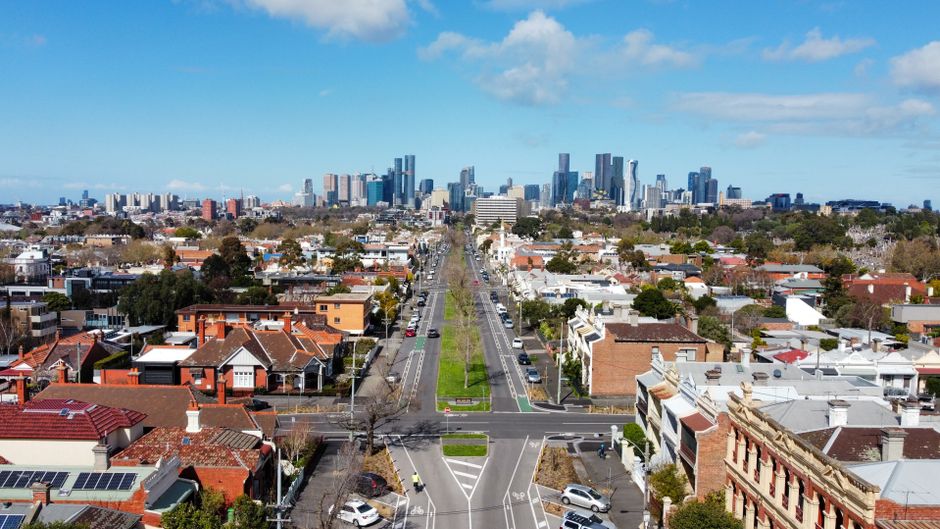
Units versus houses: which Melbourne investment outperformed in 2025?
As the property market matures post-pandemic, data reveals a widening gap between house and unit returns across Melbourne's most sought-after precincts.
2 min read
As the property market matures post-pandemic, data reveals a widening gap between house and unit returns across Melbourne's most sought-after precincts.
2 min read
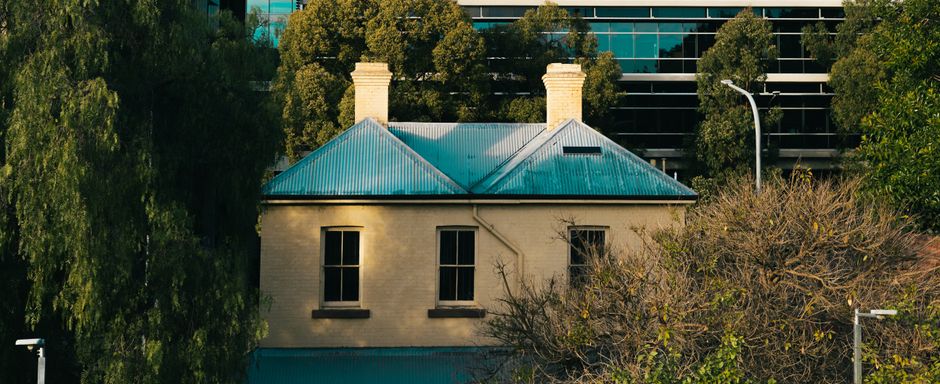
The investment case for Melbourne property in 2025 has tilted decisively toward houses, with growth-focused investors increasingly sidestepping the unit market that once promised passive income and portfolio diversification.
Victorian median house prices have climbed to approximately $920,000, while units sit at $620,000. But raw figures mask a crucial story: annual capital growth and rental yields tell vastly different tales depending on property type and location.
Houses in the Frankston corridor—suburbs like Karingal, Sandhurst, and Skye—delivered average returns of 8–10 percent in 2025, fueled by first-home buyer demand and investor appetite for larger blocks. The same cohort of unit investors in comparable outer-ring locations saw returns closer to 4–5 percent, hampered by oversupply and flat rental growth.
Bayside and Inner East suburbs painted a starker contrast. Bentleigh East houses near the Bentleigh Train Station and adjoining parklands attracted serious competition, with some properties clearing auction reserves by 15–20 percent. Unit markets in the same areas remained softer: apartments within a five-minute walk of Beach Road, Sandringham, struggled to achieve meaningful capital appreciation despite solid rental demand from young professionals.
The divergence reflects structural shifts. Post-pandemic, remote-work flexibility has redefined buyer priorities. Families are willing to venture further, prioritizing land size and renovation potential over proximity to the CBD. Meanwhile, unit investors contend with rising strata levies, insurance costs, and maintenance obligations that erode net yields—currently sitting at 3–3.5 percent across metro Melbourne compared to 4–4.5 percent for houses.
Migration has provided temporary relief for unit markets, particularly in established precincts like Southbank and Carlton. Yet even here, investor returns lagged house equivalents in inner suburbs such as South Yarra and Hawthorn, where established properties shifted hands readily at 6–8 percent annual growth.
First-home buyers remain most exposed to this divide. Unit markets offer lower entry points but diminishing growth prospects, making them less attractive as long-term wealth builders. Conversely, house buyers with sufficient deposits—even in outer suburbs—captured stronger capital gains alongside tax-depreciation benefits on older stock.
For seasoned investors, the message is clear: 2025 rewarded those willing to chase growth corridors and accept renovation risk. Unit portfolios, conversely, have transitioned from growth assets to yield plays, a fundamental reframing that will shape Melbourne's investment landscape heading into 2026.
This article was compiled by AI from the sources linked above and screened before publishing. See our editorial standards.
About this article
Published by The Daily Melbourne
Daily brief
Free, in your inbox before 7am. Weekdays.
You might also like
Free daily briefing