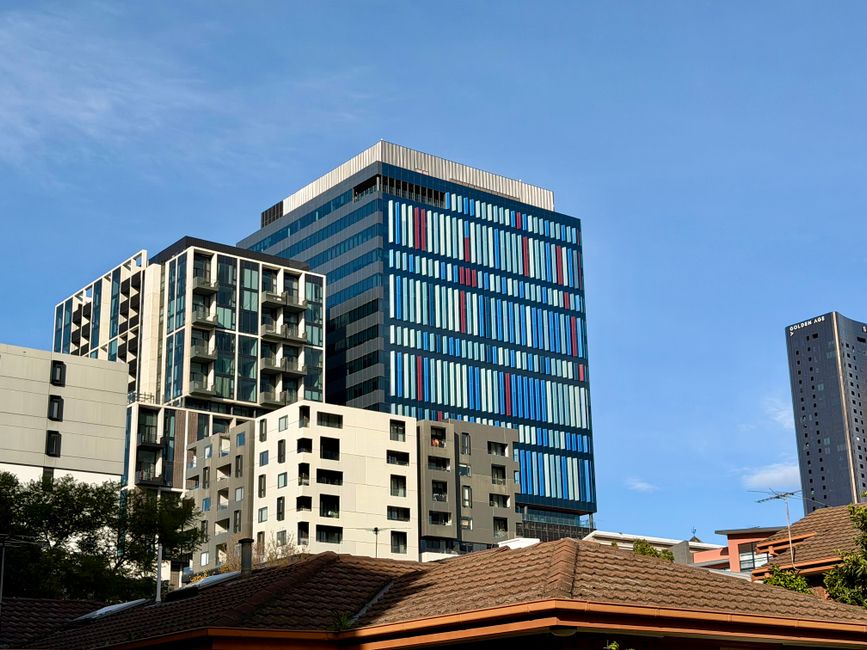
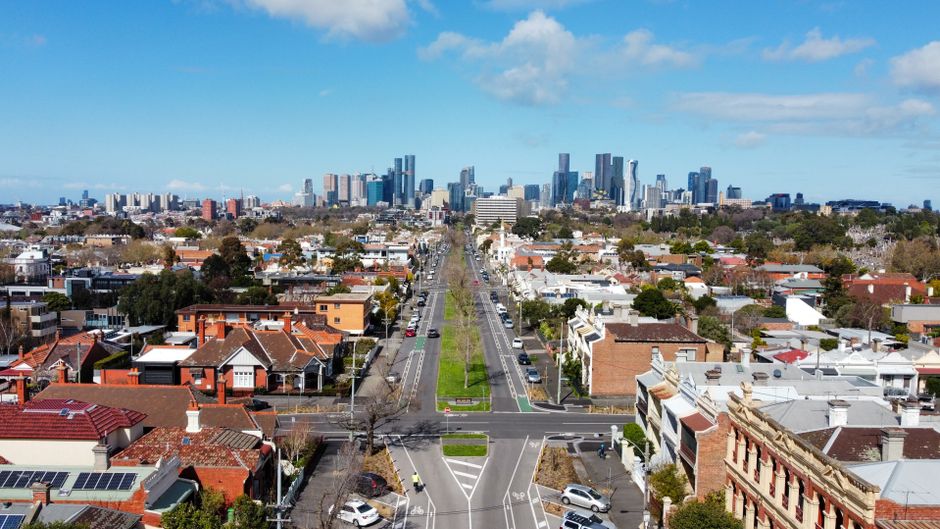
Melbourne's off-the-plan apartment market is booming, particularly across the Frankston corridor and inner-east precincts where unit prices hover around $620,000 at the median. But this segment carries distinct hazards that savvy investors and owner-occupiers must navigate carefully before committing.
The appeal is straightforward: buyers can lock in today's prices, secure finance at construction completion, and potentially benefit from price growth during the build phase. Projects around Glen Waverley, Box Hill and the Clayton-Monash precinct have attracted significant off-the-plan activity, with some units selling at 15–20 per cent premiums between launch and settlement. First-home buyers, in particular, have gravitated toward these products as migration demand sustains rental yields and capital appreciation prospects.
Yet the risks are material. Construction delays—now commonplace across Melbourne—mean settlement dates slip by 12–24 months. Interest rate movements during this window can devastate serviceability calculations. A buyer who locked in at 4.5 per cent in 2024 may face 6 per cent rates by settlement in 2026, materially eroding borrowing capacity. Second, buyer's remorse is real: market conditions can shift sharply, leaving off-the-plan buyers trapped with overvalued stock or refinancing pressures.
Defects and snagging remain persistent issues in the apartment sector. High-rise building standards have tightened post-Lacrosse, yet corner-cutting still occurs. Buyers should engage independent building inspectors before settlement and scrutinise developer track records. Major developments near Southbank, St Kilda Road and along the Dandenong Road corridor have experienced quality disputes that delayed final settlement or required costly remedial work.
Price variation clauses—sometimes hidden in fine print—can inflate final costs materially. A $650,000 apartment may carry $15,000–$30,000 in variations by settlement. Parking and storage upgrades, too, often prove more expensive when itemised at contract stage.
The reward, however, can be substantial for patient, well-positioned buyers. Investors who purchased off-the-plan units in Southbank or Docklands between 2016–2018 realised 40–60 per cent capital gains by 2024. Owner-occupiers in growing precincts—Frankston, Footscray, Brunswick—who settled during downturns have built equity rapidly as inner-city migration intensifies.
Success hinges on fundamentals: location quality, developer reputation, realistic timelines and personal financial resilience. Avoid projects by untested developers, verify finance pre-approval robustly, and resist FOMO-driven decisions. Melbourne's unit sector remains fundamentally sound, but off-the-plan carries leverage—financial and emotional. Buy smart, buy cautiously.
This article was compiled by AI from the sources linked above and screened before publishing. See our editorial standards.