NDIS and disability housing investment explained
As the NDIS reshapes care delivery across Victoria, savvy investors are discovering how disability housing can deliver stable returns while addressing a critical shortage.
2 min read
As the NDIS reshapes care delivery across Victoria, savvy investors are discovering how disability housing can deliver stable returns while addressing a critical shortage.
2 min read
Victoria's booming property market has long favoured renovators and downsizers, but a quieter investment opportunity is emerging: disability housing aligned with the National Disability Insurance Scheme (NDIS).
The NDIS, now fully rolled out across Australia, has fundamentally changed how people with disabilities access support and accommodation. For property investors in Melbourne's growth corridors—from the Frankston peninsula to the inner east—NDIS-eligible housing represents a new asset class worth understanding.
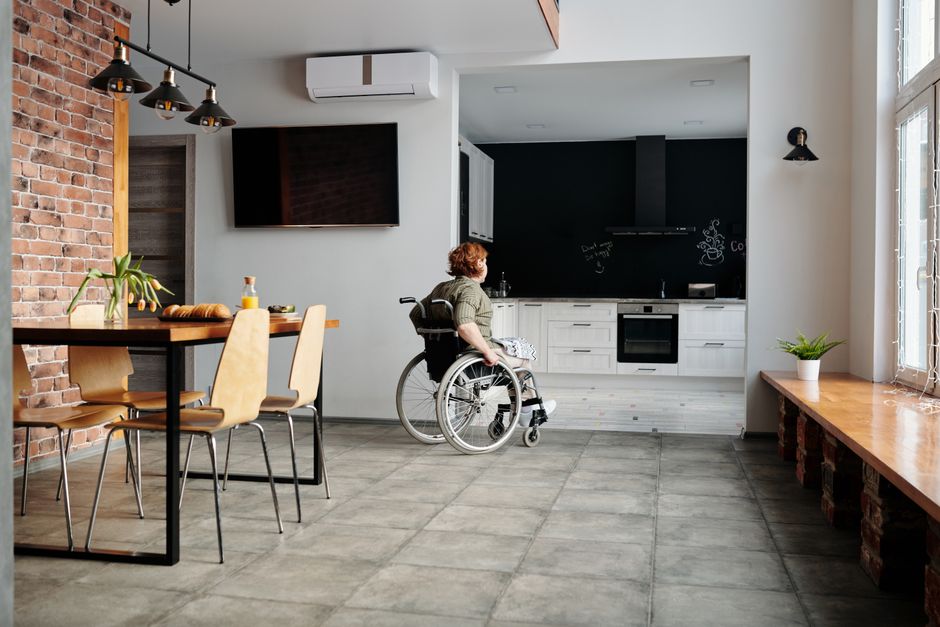
Unlike traditional rental properties, disability housing often involves modifications: wider doorways, accessible bathrooms, level entries, and specialised kitchens. These aren't cosmetic upgrades; they're essential infrastructure that commands premium rental demand. In suburbs like Glen Waverley, Box Hill, and Bentleigh East, where median unit prices hover around $620,000, investors are increasingly converting or purpose-building accessible dwellings.
The financial mechanics are compelling. Participants receiving NDIS funding can nominate their own accommodation arrangement, directing their funding toward rent. This creates a reliable, scheme-backed income stream. Unlike traditional tenants, NDIS participants' rental capacity is underpinned by government funding, reducing vacancy risk significantly.
Melbourne council data shows disability housing demand is acute. Many participants currently live in unsuitable arrangements or with family members unable to provide long-term care. The Bayside and Inner East regions—already premium markets—are particularly undersupplied, creating geographic opportunity.
However, investors must navigate complexity. NDIS housing falls into distinct models: mainstream property rented to participants, group homes, and supported independent living arrangements. Each has different regulatory requirements, tax implications, and funding structures. Working with disability housing specialists and accountants familiar with NDIS legislation is essential.
Returns typically range from 4–6 per cent, lower than traditional investment properties but offset by reduced vacancy and tenant turnover. Victoria's median house price of $920,000 means capital appreciation matters, but the stable income component appeals to conservative investors seeking diversification.
Several Melbourne suburbs are emerging as disability housing hubs: Coburg, Footscray, and Dandenong offer more affordable entry points than bayside areas, while proximity to services—Royal Melbourne Hospital, Monash Medical Centre, transport—remains critical for participants.
The NDIS represents a permanent structural shift in disability support. Unlike trends that peak and fade, this scheme will shape housing demand for decades. For investors willing to understand its mechanics and commit to accessible design, disability housing offers both social impact and financial stability—increasingly rare qualities in today's stretched Melbourne market.
This article was compiled by AI from the sources linked above and screened before publishing. See our editorial standards.
About this article
Published by The Daily Melbourne
Daily brief
Free, in your inbox before 7am. Weekdays.
You might also like
Free daily briefing