For many Melbourne renters, the gap between aspiration and reality has become unbridgeable. With Victorian median house prices hovering near $920,000 and units around $620,000, deposit savings feel like a mirage. Enter a growing solution: build-to-rent (BTR) developments—purpose-built apartment complexes designed for long-term tenancy rather than owner-occupation.
These projects, increasingly visible across outer suburbs and emerging growth corridors, offer renters something the traditional private market rarely delivers: stability, transparency, and amenity-rich living at competitive rates.
"Build-to-rent fundamentally changes the relationship between tenant and landlord," says property analyst commentary on the trend. Unlike the fragmented private rental sector where lease terms, maintenance standards, and bond disputes vary wildly, BTR operators manage hundreds of dwellings under unified standards. Tenants in these developments typically enjoy fixed lease terms of two to three years—a luxury in a market where landlords can issue non-renewal notices on a whim.
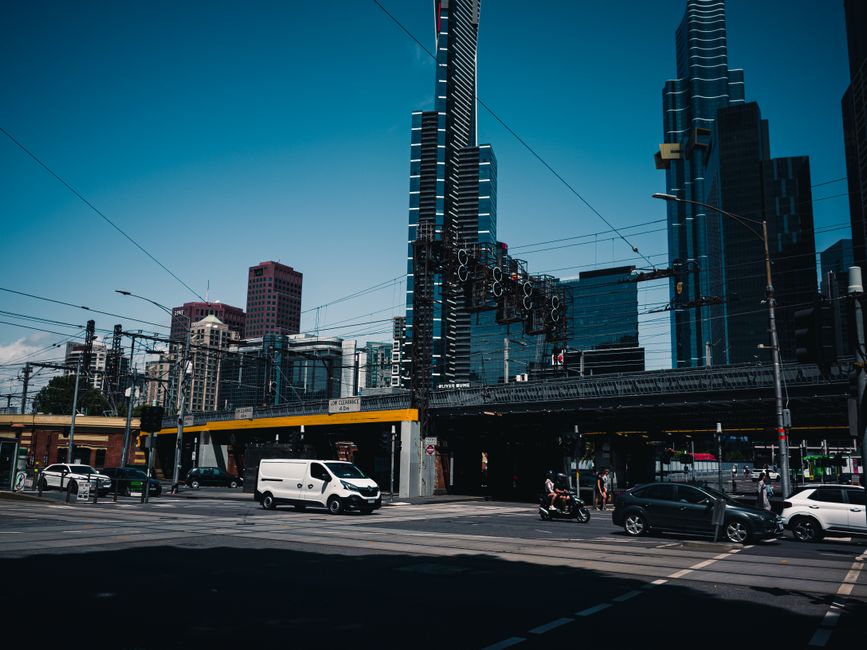
Several Melbourne precincts are becoming BTR hubs. Southbank and Docklands, traditionally investor-heavy, now see mixed-tenure projects incorporating rental components. The Frankston corridor, buoyed by migration pressure and infrastructure investment, has attracted BTR interest. Even inner suburbs like Brunswick and Coburg are attracting purpose-built rental investment, offering younger professionals an alternative to $450-plus-per-week sharehouse living or $520-plus-per-week studio rentals in the inner ring.
The economics are compelling. A one-bedroom BTR apartment in outer suburbs like Fountain Gate or Box Hill typically rents for $380–$420 per week—comparable to older private stock but with certainty around maintenance, security, and amenity access. These developments often feature shared gardens, co-working spaces, and community facilities—features absent from sprawling private rental properties.
For tenants locked out of ownership, BTR also offers long-term financial predictability. Many operators cap annual rent increases below market rates, recognising that tenant retention benefits their bottom line more than maximising yield. This contrasts sharply with private landlords chasing market-rate hikes at lease renewal.
However, BTR is not a silver bullet. Stock remains limited; most developments concentrate in growth zones rather than established inner suburbs where renters are already squeezed. And while cheaper than comparable private rentals, BTR units remain unaffordable for low-income earners without government support.
As Victoria's new-home-build sector struggles—reaching its lowest output in a decade—BTR developments offer a pragmatic pathway: giving renters security and choice in a market that has for decades served only owner-occupiers and speculative investors.
This article was compiled by AI from the sources linked above and screened before publishing. See our editorial standards.