Patience Wearing Thin: Days on Market Stretch as Melbourne Vendors Resort to Discounting
Properties lingering longer on the market are forcing sellers to sharpen their pencils, signalling a shift in buyer power across Melbourne's suburbs.
2 min read
Properties lingering longer on the market are forcing sellers to sharpen their pencils, signalling a shift in buyer power across Melbourne's suburbs.
2 min read
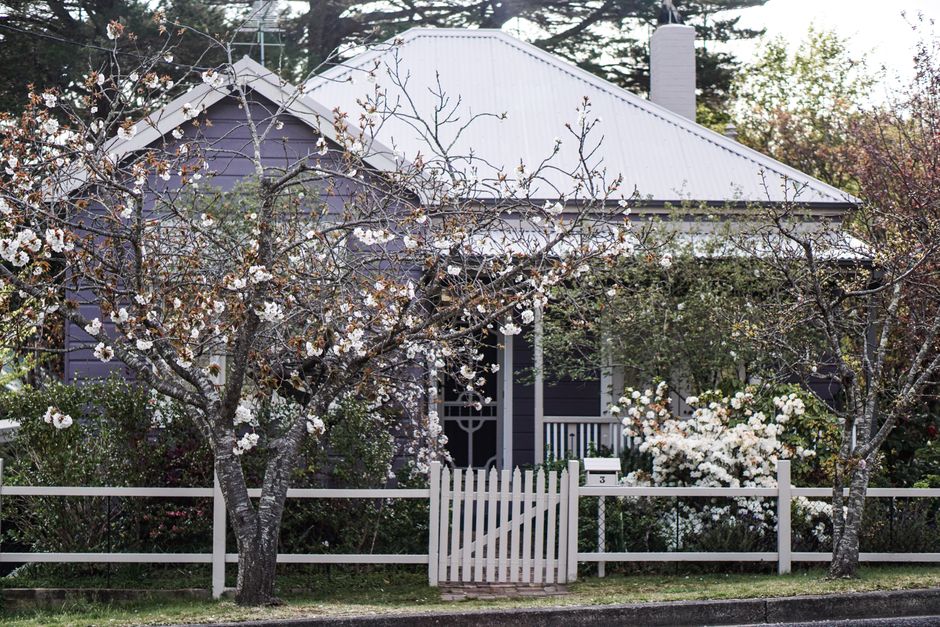
Melbourne's property market is showing unmistakable signs of fatigue, with the average days on market climbing steadily and vendor discounting becoming increasingly common across suburbs that once moved stock within weeks.
Data from the past quarter reveals properties in traditionally buoyant areas are now sitting for 35–45 days before securing an offer, a marked increase from the 18–25 day average seen in early 2025. In inner-east pockets like Camberwell and Balwyn, where competition traditionally keeps inspection crowds thick, vendors are now offering $30,000–$60,000 price reductions to shift stock. One Balwyn North property that listed at $1.85 million in April eventually sold for $1.72 million after 38 days on market—a 7 per cent haircut that would have been unthinkable two years ago.
The trend extends across the bayside strip. Glen Waverley and Malvern East, perennial strongholds for investor and owner-occupier demand, are experiencing similar extensions in selling timelines. Unit markets—particularly in Southbank and Docklands—have absorbed sharper corrections, with some two-bedroom apartments dropping 8–12 per cent from initial asking prices as developers and investor-owners compete harder for a shrinking pool of active buyers.
However, the Frankston corridor tells a different story. Suburbs stretching from Frankston through to Langwarrin continue to defy broader softness, with days on market hovering around 28–32 days. First-home buyers seeking affordability relative to inner suburbs continue to anchor demand, though even here, the urgency has diminished.
Real estate agents across Melbourne report auction withdrawal rates sitting around 18–22 per cent, up from 12–14 per cent last year. Those auctions that do proceed are seeing fewer competing bidders, with many sales falling just shy of reserve. Private treaty negotiation periods have extended, giving buyers genuine leverage to renegotiate after inspection.
The shift reflects tightening credit conditions, elevated interest rates, and migration demand finally hitting a ceiling after years of sustained growth. While the median house price across Victoria remains around $920,000 and units near $620,000, the psychology underpinning those figures is fragmenting. Vendors who held firm during the boom are discovering that patience is now a one-way street.
For buyers who've watched from the sidelines, the lengthening days on market represent a window. It won't last forever, but for now, negotiating power has unmistakably shifted southbound.
This article was compiled by AI from the sources linked above and screened before publishing. See our editorial standards.
About this article
Published by The Daily Melbourne
Daily brief
Free, in your inbox before 7am. Weekdays.
You might also like

Property
Property
Property
Property
Free daily briefing