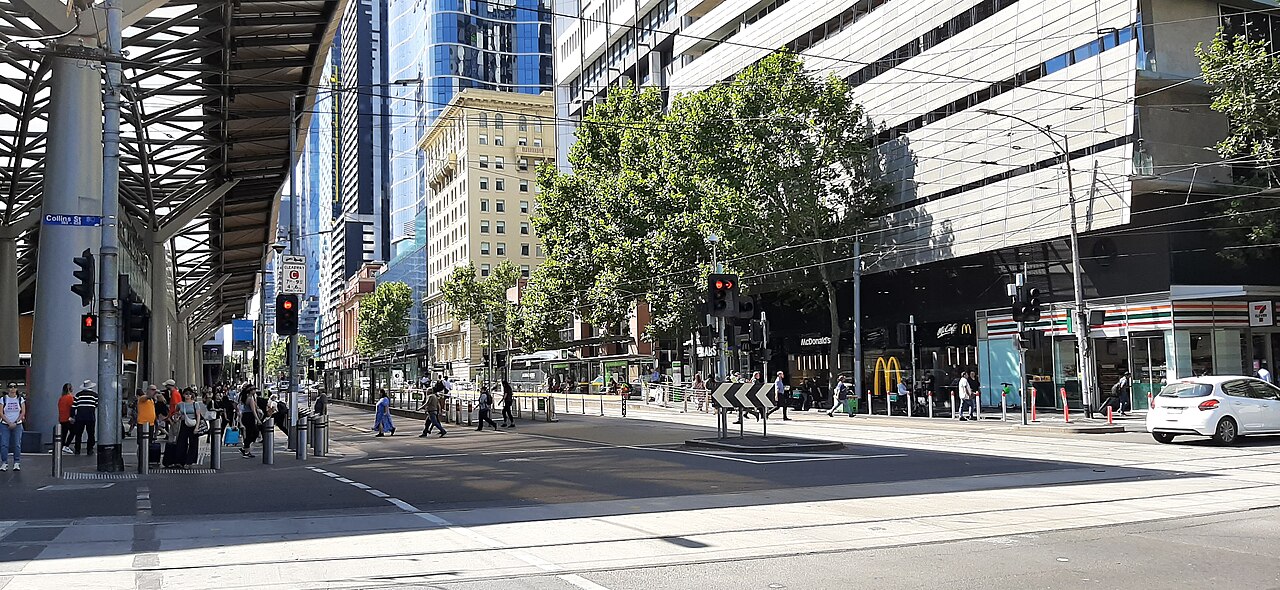
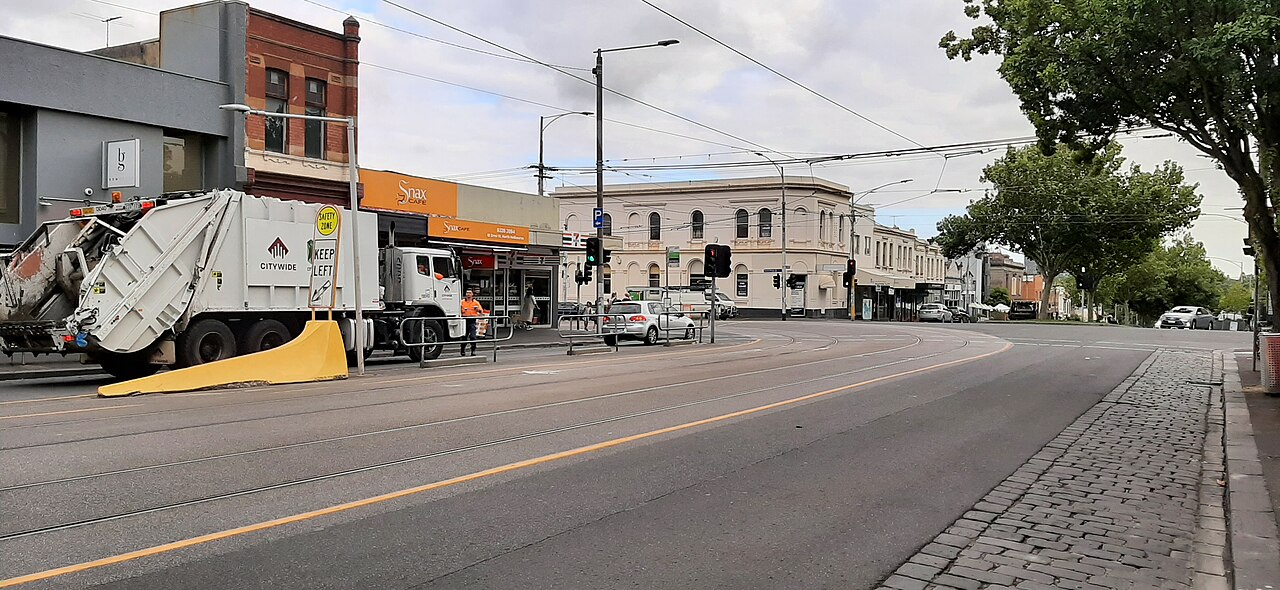
The rental market's shift from a tenant's paradise to a landlord's advantage has become impossible to ignore across Melbourne's inner suburbs. With vacancy rates hovering near record lows—particularly in bayside pockets like Brighton and South Yarra—the power dynamics between renters and property owners have fundamentally changed, creating winners and losers on both sides of the ledger.
The numbers tell a stark story. Median unit rents across the inner east have climbed steadily, with three-bedroom apartments in Toorak now commanding upwards of $2,800 per week, while more accessible corridors like Frankston and the surrounding growth zones offer modest relief at around $1,900 for comparable stock. Yet this apparent supply chain hasn't solved the underlying crisis: qualified renters are being priced out, while landlords holding vacant stock face unprecedented pressure to fill rooms.
For tenants, the squeeze manifests in ways both subtle and severe. Applications for modest properties on streets like Bridge Road in Richmond now face competition from dozens of other hopefuls, often requiring references, proof of income spanning multiple years, and bonds pitched at the upper limit of legislation. Community organisations operating from the Collingwood Town Hall precinct report increasing calls from renters priced out of established inner neighbourhoods, forced to consider longer commutes into growth zones where rents remain relatively affordable.
Landlords, meanwhile, confront a paradox: while rental yields have improved marginally, tenant churn has accelerated. Property managers operating across Bayside suburbs report that the most desirable family homes—those Victorian terrace conversions near the Yarra River or modern apartments overlooking Elwood Beach—are now subject to rapid turnover, as renters seize any advantage to negotiate lower rates or find better value elsewhere. The cost of managing vacancy, even for brief periods, has become a genuine threat to marginal returns.
The migration wave sustaining Melbourne's growth compounds these pressures. International arrivals clustering around established rental corridors—particularly the inner east from Hawthorn through to Glen Waverley, and the bayside strip—have fundamentally altered competition for available stock. First-home and investor buyers, spooked by clearance rate fluctuations elsewhere, have increasingly turned to established rental yields, further constraining supply.
For those considering entry into Melbourne's rental market—whether as tenant or landlord—timing and location remain critical. Inner suburbs offer lifestyle and walkability; growth zones like the Frankston corridor offer relative affordability. But increasingly, success depends less on market position and more on understanding where demand and supply actually intersect.
This article was compiled by AI from the sources linked above and screened before publishing. See our editorial standards.
About this article
Published by The Daily Melbourne
This article was produced by the The Daily Melbourne editorial desk and covers property in Melbourne. See our editorial standards for how we use AI.
See something wrong? Suggest a correction.
Daily brief
Enjoyed this? Wake up to Melbourne news every morning.
Free, in your inbox before 7am. Weekdays.