Rate pause reshapes strategy: how Melbourne buyers are betting on the RBA's next move
As interest rate expectations shift, buyer behaviour across Melbourne's suburbs is changing faster than the market itself.
2 min read
As interest rate expectations shift, buyer behaviour across Melbourne's suburbs is changing faster than the market itself.
2 min read
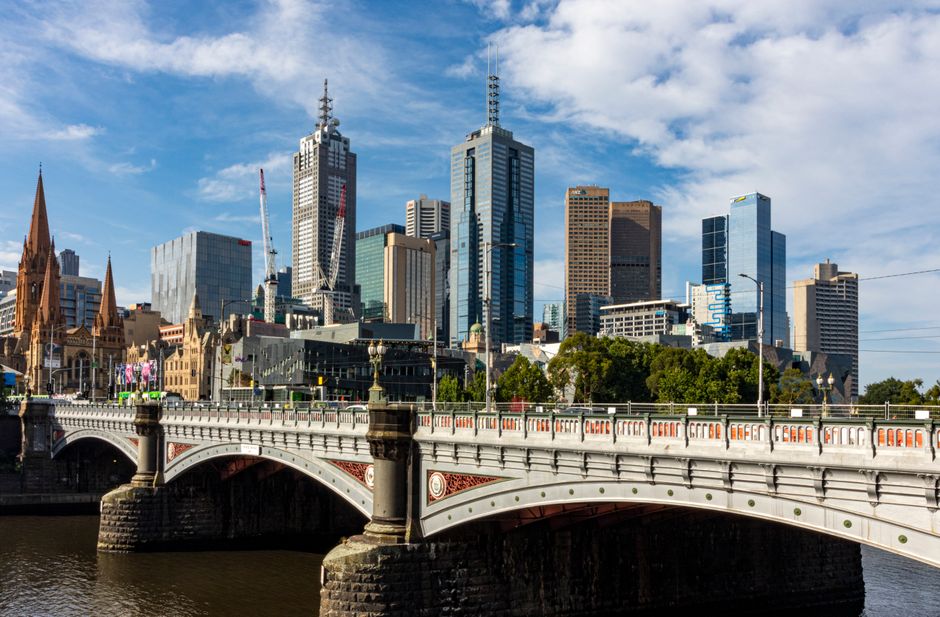
The RBA's cautious hold on rates is reshaping how Melbourne buyers approach the market, with shifting expectations about future moves now dictating everything from suburb selection to auction timing.
With the official cash rate steady at 4.35%, property professionals across the city report a marked change in buyer psychology. Those betting on rate cuts have grown bolder, while others remain defensive—creating divergent buying patterns across Melbourne's postcodes.
In established south-side markets like Armadale and Malvern, where median prices hover near $1.4 million, agents report renewed buyer confidence among those expecting cuts within six months. These buyers are moving earlier in their search cycles, less willing to wait for potential further falls. Meanwhile, first-home buyers exploring the Frankston corridor—where unit prices sit around $520k—are taking a different tack, stretching settlement dates and building rate buffers into their borrowing calculations.
"We're seeing two distinct buyer cohorts," explains the thinking across major agencies working Bayside suburbs like Brighton and Sandringham. Established buyers with equity are chasing yield; younger buyers are building defensively. Inner-East markets from Fitzroy to Hawthorn, traditionally insulated by scarcity premium, are showing the most resilience, though even here the median $890k unit price hasn't stopped some buyers pausing for clarity on the RBA's trajectory.
The data supports this bifurcation. Auction volumes across metropolitan Melbourne remain elevated, but clearance rates are becoming more volatile. Suburbs where buyer sentiment has shifted toward optimism—particularly those within 15 kilometres of the CBD—are recording stronger results. Outer areas like Craigieburn and Melton, where affordability remains the primary driver, show less rate-sensitive behaviour.
Settlement periods offer another window into changing expectations. Six months ago, standard 60-day settlements were common. Today, 90-day and longer settlements are increasingly negotiated, particularly in the $600k-$850k range where middle-market buyers operate. This cushion allows flexibility if rate decisions shift unexpectedly.
Property technology platforms tracking buyer searches report heightened activity around rate-sensitive calculators, with particular interest in suburbs representing value-for-money propositions should rates hold or rise. Footscray, Brunswick, and Coburg are seeing search spikes from buyers reassessing their risk tolerance.
As the RBA's July meeting approaches, this behavioural volatility is likely to intensify. For Melbourne's market, that means auction calendars will remain full, but buyer conviction—whether bullish or cautious—will determine whether prices consolidate or shift further.
This article was compiled by AI and screened before publishing. See our editorial standards.
Partner Content
SponsoredPartner Content lets Melbourne businesses reach engaged local readers with a clearly labelled, editorial-style feature. Every placement is marked Sponsored, in line with our sponsored content policy.
About this article
Published by The Daily Melbourne
Daily brief
Free, in your inbox before 7am. Weekdays.
You might also like
Free daily briefing