The family home has served its purpose. The kids have left. The mortgage is nearly done. Now comes the question that's reshaping Melbourne's property map: where do you actually want to live?
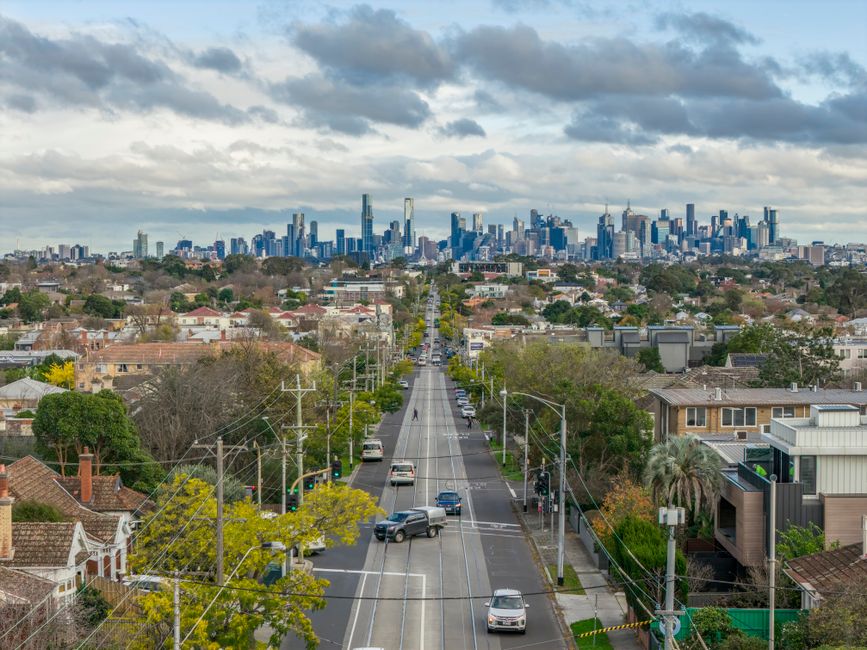
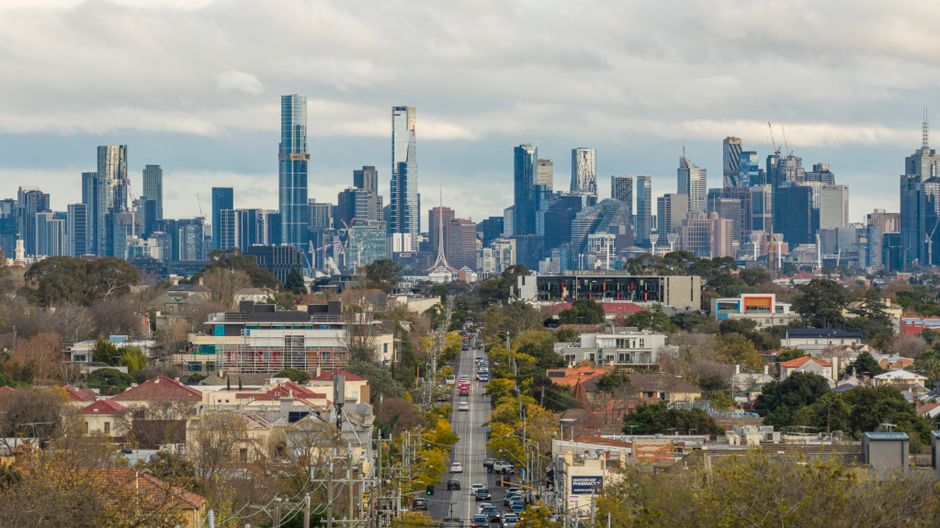
For a growing cohort of empty-nesters and pre-retirees, the answer increasingly points to pockets like Camberwell, Balwyn North, and the tree-lined streets of Glen Waverley—suburbs where downsizing doesn't mean downsizing lifestyle. These established inner-east and bayside corridors are becoming the unlikely hot spot for older buyers exiting larger family properties, and the data tells a clear story about why.
Unlike the frenzy of first-home buyers competing at $550,000 terraces or investors chasing yield in fringe growth corridors, downsizers are pursuing something different: walkability, proximity to services, and established communities. A well-maintained three-bedroom townhouse in Camberwell—say, near the station or Camberwell Road's cafes—might fetch $1.2 to $1.4 million, freed from the maintenance burden of a $2.1 million five-bedroom family home in nearby Canterbury.
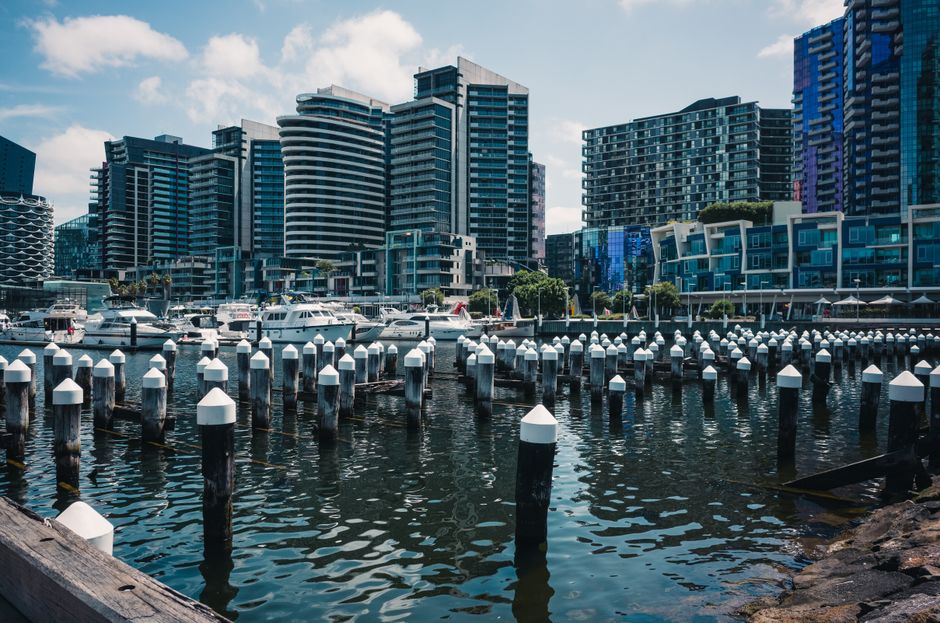
Real estate agencies report sustained interest from vendors aged 60-plus in suburbs like Toorak, Kooyong, and Malvern, with many choosing to relocate rather than retire in place. The appeal is tangible: proximity to restaurants and galleries along Chapel Street, access to Monash Medical Centre and private practitioners, and cultural institutions like the National Gallery of Victoria. Retirement villages and premium apartment developments in Southbank and along the Yarra have seen a corresponding uptick in enquiries from this demographic.
Interest rate anxiety has paradoxically accelerated the trend. Higher borrowing costs have dampened investor activity in outer suburbs, but empty-nesters with substantial equity from decades of ownership can sidestep finance altogether. That leverage is now pushing competition in established suburbs where inventory remains tight. Recent auction clearance rates in inner-east suburbs have held above 70 per cent, despite broader market softness.
The Frankston corridor—traditionally chased by young families—is also seeing secondary downsizer demand, particularly around stations like Carrum and Seaford, where waterside lifestyle meets affordability relative to metropolitan medians hovering near $920,000.
The shift carries implications beyond individual suburbs. It's reshaping who competes for stock, lengthening settlement cycles as retirees plan relocations, and quietly underpinning values in established areas that headline-grabbing growth suburbs sometimes overshadow.
For downsizers, it's not about chasing capital growth anymore. It's about choosing where to spend what you've built.
This article was compiled by AI and screened before publishing. See our editorial standards.