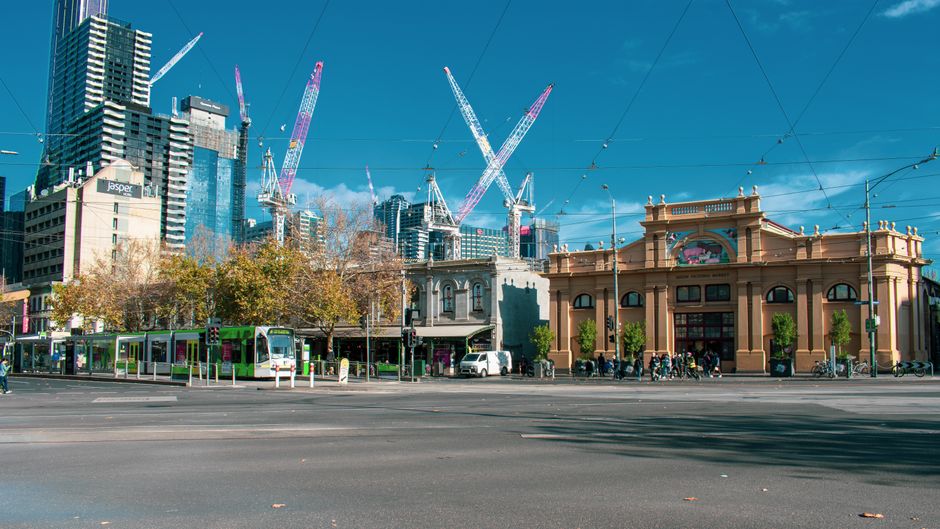
Melbourne's planning landscape is undergoing a quiet but significant transformation as councils across the metropolitan area introduce stricter design codes and density restrictions that could reshape development patterns for years to come.
The shift accelerated this quarter when several municipalities, including Bayside and Boroondara, adopted revised Local Planning Policies requiring enhanced architectural standards and reduced floor area ratios on previously unrestricted sites. The changes reflect growing community pushback against formulaic apartment blocks and underscore a broader tension between housing supply and neighbourhood character preservation.
In Bayside—where median prices hover near $1.2 million—the new framework introduces mandatory setbacks, materiality requirements, and limits on building footprints along streets like Bay Road and Balcombe Road. Developers accustomed to maximising every allowable envelope now face constraints that reduce developable floor space by up to 20 per cent on comparable sites.
"What we're seeing is councils recalibrating the relationship between growth and amenity," explains a local planning consultant monitoring the changes. The ripple effects are already visible: several projects in the Frankston corridor—traditionally a growth corridor—are being redesigned to accommodate tighter frontage requirements and increased landscaping obligations introduced by Frankston Council's revised neighbourhood character guidelines.
Across the inner-East, Camberwell and Glen Iris have implemented overlay controls targeting Victorian precinct protection. These prevent the wholesale demolition-and-replace development model that characterised the previous decade, pushing architects toward adaptive reuse and sympathetic infill strategies instead.
The economic implications are material. A development site near Glenferrie Road that might have yielded a six-storey, 80-unit project under old rules now faces a four-storey, 45-unit approval pathway—a significant reduction in returns that some developers are already factoring into acquisition offers. Local estate agents report increased interest in established suburbs with lighter planning overlays, suggesting a subtle reallocation of development capital.
Not all councils have tightened rules equally. Outer suburbs like Werribee and Melton have maintained permissive density allowances to support housing supply targets and meet Victoria's metropolitan planning strategy objectives. This divergence could accelerate growth disparities, with inner and middle-ring suburbs consolidating existing communities while outer areas absorb greater housing expansion.
The changes arrive as Victorian property markets digest interest rate adjustments and tax policy shifts. Whether stricter design frameworks will improve housing affordability—or simply reduce supply and push prices higher—remains contested among planners and economists watching Melbourne's next chapter unfold.
This article was compiled by AI and screened before publishing. See our editorial standards.