Melbourne Council Overhauls Planning Rules, Paving Way for Denser, Taller Developments
Major amendments to local planning schemes promise to reshape neighbourhood skylines, sparking strong reactions in Box Hill, Brunswick and beyond.
3 min read
Major amendments to local planning schemes promise to reshape neighbourhood skylines, sparking strong reactions in Box Hill, Brunswick and beyond.
3 min read

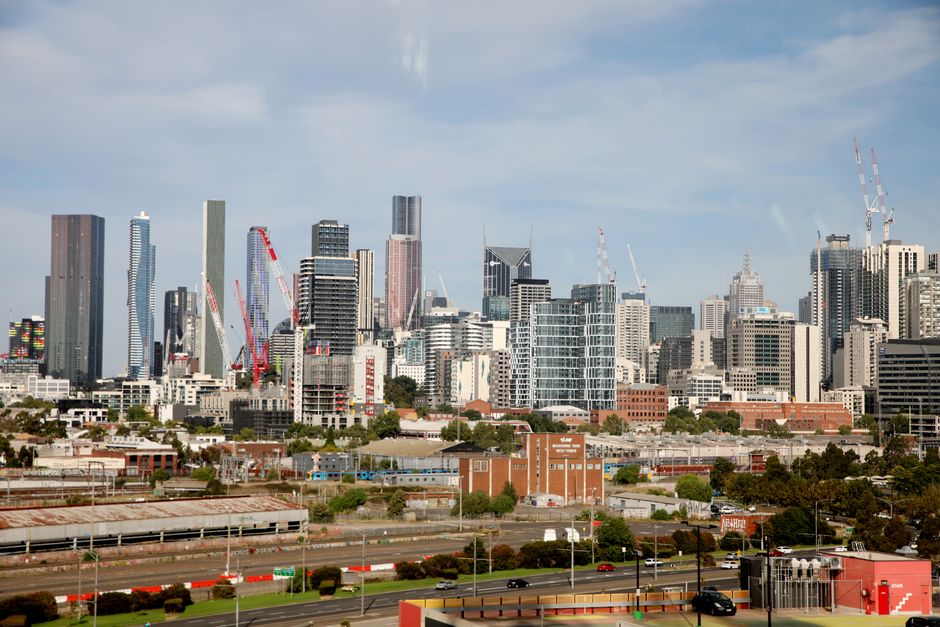
Melbourne’s skyline is poised for another growth spurt. A raft of council planning changes across the city’s inner and middle suburbs will allow for taller, denser developments, with new design requirements intended to manage the transition between single-family homes and multi-storey complexes. The reforms, which cleared their final hurdles at a City of Melbourne committee meeting on Thursday, are set to take effect from August 1 and will directly alter what can—and can’t—be built in dozens of neighbourhoods.
The timing has caught the eye of residents and developers alike. Melbourne’s population swelled by 167,500 people last year—more than any other Australian city—according to the latest ABS figures. Demand for both houses (median $920,000) and units (median $620,000) remains fierce, but supply constraints and planning bottlenecks have left would-be buyers and renters struggling through a jolting property cycle. Councils are under mounting pressure from the State Government’s ‘Victoria in Future’ program to boost housing availability without compromising the qualities that define beloved pockets like Carlton North and Mont Albert.
The current battlegrounds are Box Hill and Brunswick, where development applications have surged since the start of 2024. Whitehorse City Council has confirmed that Station Street’s mid-rise apartment cluster—where one-bedroom units now fetch an average of $490,000—will be directly affected by the expanded Activity Centre Zone, allowing buildings up to 18 storeys in select locations. Further west, Merri-bek City Council’s new Design and Development Overlays for Moreland Road and Sydney Road precincts will ease restrictions on lot amalgamation and open the door for larger build-to-rent projects.
In a nod to concerns about rapid change, the planning scheme requires developers to step buildings back above the fourth floor and mandates minimum communal open space, particularly near green spaces such as Princes Park. Those rules, council officers say, are aimed at avoiding the “canyon effect” familiar to anyone walking down parts of Elizabeth Street or the St Kilda Road spine.
There’s plenty at stake: planning permit data from the City of Melbourne shows a 36% jump in multi-dwelling applications lodged in the March quarter compared to 2023, while new infill projects in the Frankston corridor are up 22% year-on-year. The ambitious council targets are intertwined with the state’s push for 800,000 new homes by 2050. Local real estate agency Jellis Craig recorded that one in three buyers at a June open-home in Collingwood was an interstate or migrant household, mirroring wider migration-driven demand.
Yet some residents fear the character of their neighbourhoods will suffer. Community groups in Brunswick East have already flagged potential legal challenges if the height relaxations lead to shadowing over key heritage-listed laneways such as Crossley Street.
Development firms, for their part, are weighing up the commercial risk of higher design standards against the appeal of less restrictive height caps. Council planners told The Daily Melbourne that pre-application meetings spiked 40% in May and June, with most queries focused on how the design rules will be interpreted in the first round of proposed towers.
The changes are expected to roll out over the coming 12 months, with the first wave of permits using the new controls likely to be visible by February. For buyers and investors, the shift could generate new options in coveted areas, but experts advise watching planning registers closely to track which projects advance under the new regime.
Partner Content
SponsoredPartner Content lets Melbourne businesses reach engaged local readers with a clearly labelled, editorial-style feature. Every placement is marked Sponsored, in line with our sponsored content policy.
About this article
Published by The Daily Melbourne
Daily brief
Free, in your inbox before 7am. Weekdays.
You might also like

Property

Property
Property

Property
Free daily briefing
The Daily Network