Lenders mortgage insurance: when it makes sense to pay it
Melbourne's sky-high median prices are pushing more first home buyers to consider LMI not as a penalty, but as a calculated shortcut into the market.
4 min read
Melbourne's sky-high median prices are pushing more first home buyers to consider LMI not as a penalty, but as a calculated shortcut into the market.
4 min read
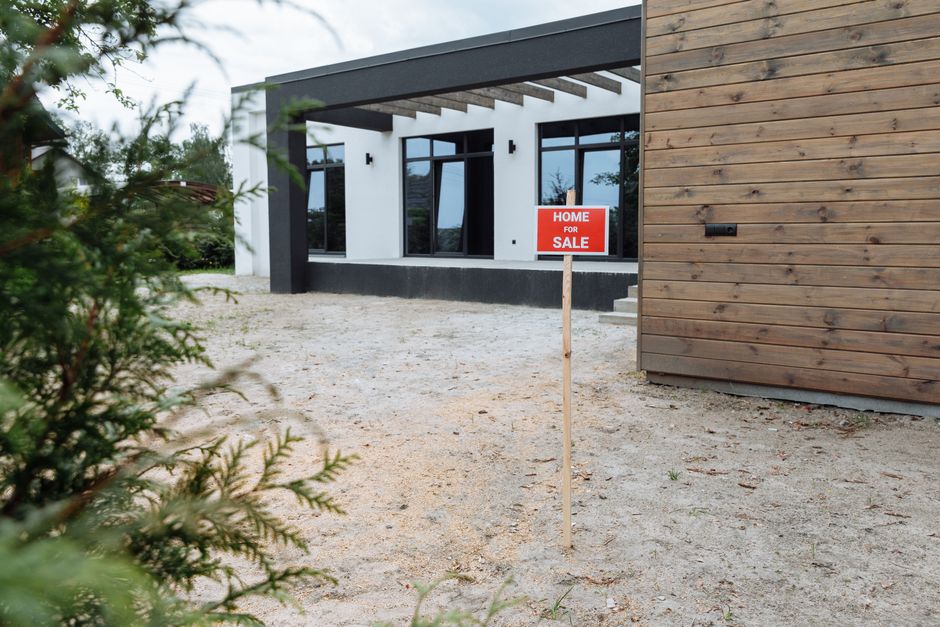
The conventional wisdom has always been blunt: save a 20 per cent deposit, avoid lenders mortgage insurance, get in clean. But with Melbourne's median house price sitting at roughly $920,000 as of mid-2026, that 20 per cent threshold now means assembling $184,000 before you can even think about stamp duty, conveyancing fees or moving costs. For many first home buyers, particularly those watching prices inch upward in suburbs like Footscray and Preston while their savings accounts earn 4.5 per cent, the maths is starting to shift.
LMI — the insurance policy that protects the lender, not the borrower, when a buyer contributes less than a 20 per cent deposit — has long carried a stigma. It can cost anywhere between $8,000 and $25,000 depending on the loan size and deposit held, and it is typically capitalised onto the mortgage rather than paid upfront. What's changed is the opportunity cost calculation. Melbourne's auction clearance rates have softened considerably this year, with confidence draining from the seller side of the market, but list prices in the inner and middle rings have barely budged. Waiting another 18 months to save the full deposit can mean chasing a target that keeps moving.
Take a buyer targeting a two-bedroom unit in Thornbury or a modest house on the Frankston corridor around Seaford. At $620,000 for a unit — the current Victorian median for that dwelling type — a 10 per cent deposit of $62,000 rather than $124,000 could shave two or three years off the savings timeline. The LMI premium on a $558,000 loan at 90 per cent LVR sits in the range of $11,000 to $14,000, according to published rate cards from major lenders. Rolled into a 30-year mortgage at current variable rates around 6.1 per cent, that adds roughly $70 to $90 per month to repayments. Unpleasant, but not catastrophic — and for a buyer who enters the market in July 2026 rather than mid-2028, the equity gained in a recovering market could dwarf that premium entirely.
The Victorian government's First Home Owner Grant of $10,000 still applies to new builds valued under $750,000, and the federal Help to Buy shared equity scheme — which allows eligible buyers to purchase with as little as a 2 per cent deposit with the government co-owning up to 40 per cent — is designed precisely to sidestep LMI altogether. The First Home Guarantee, administered through the National Housing Finance and Investment Corporation, lets qualifying buyers borrow with a 5 per cent deposit without paying LMI, but places are capped at 35,000 nationally per financial year and competition is fierce. Buyers should contact a broker or the lender directly in the first week of the new financial year if they want a realistic shot at a guarantee place.
Mortgage brokers and financial planners generally frame LMI as worth considering under three conditions: when the buyer has a stable income, when the property is in a suburb with reasonable long-term demand, and when the gap between their current deposit and the 20 per cent threshold is more than two years of realistic saving. Buyers targeting suburbs along the Frankston line — where three-bedroom houses in Carrum and Edithvale were trading between $750,000 and $850,000 in the first half of 2026 — fit that profile reasonably well. Inner-east suburbs like Balwyn North or Glen Waverley, where medians consistently clear $1.2 million, are a harder proposition because the LMI bill scales up sharply with loan size.
First home buyers should request a personalised LMI quote before committing to any loan structure. The figure changes based on the lender — Genworth and QBE are the two main LMI underwriters in Australia — and some banks absorb part of the cost for certain professional categories, including nurses, teachers and engineers. The First Home Buyers Association of Australasia operates a resource hub that can help buyers model different deposit and LMI scenarios before they speak to a bank. The bottom line: LMI is not automatically a bad deal. For buyers who have done the maths and understand exactly what they're paying for, it can be the most rational way to stop renting a flat in Coburg and start building equity in one.
Partner Content
SponsoredPartner Content lets Melbourne businesses reach engaged local readers with a clearly labelled, editorial-style feature. Every placement is marked Sponsored, in line with our sponsored content policy.
About this article
Published by The Daily Melbourne
Daily brief
Free, in your inbox before 7am. Weekdays.
You might also like
Free daily briefing
The Daily Network