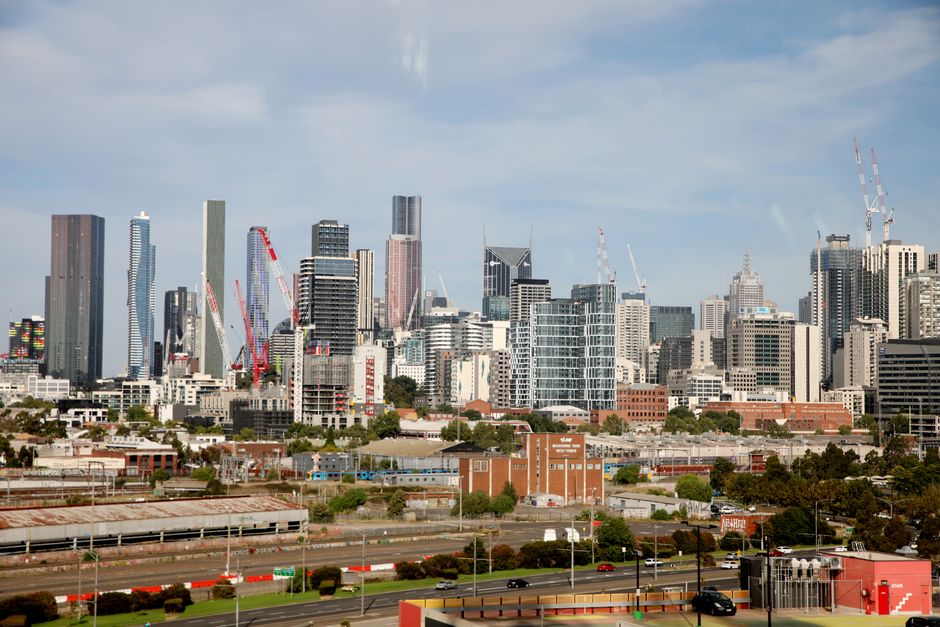
Melbourne’s property market is recalibrating in real time, as a string of new policy and planning changes sweep through key suburbs and impact price expectations across the city. In recent weeks, the City of Stonnington gave green light to its 2026 Housing Diversity Scheme, tightening rules for high-rise developments around Chapel Street and South Yarra while easing restrictions in Glen Iris and Toorak for medium-density townhouses. Meanwhile, Maribyrnong City Council introduced new fast-track approvals for mixed-use projects near Footscray Station, opening the door for dozens of apartment and retail developments by 2027.
A City Rewriting the Rules
These moves come at a delicate juncture. Melbourne’s median house price sits around $920,000, according to CoreLogic data from June. Auction clearance rates in June dropped below 60% for the first time in two years, as sellers in Prahran and Kew pulled back from market. Against this backdrop, councils are trying to balance population growth—fuelled by the return of international migrants and students—against local pushback in leafy districts. "We have to manage growth without losing the character of our neighbourhoods," a City of Stonnington spokesperson told The Daily Melbourne. At the same time, fast-track permits for affordable and social housing remain a state government priority as Homelessness Victoria reports demand for subsidised housing surged 18% in the first half of 2026.
The impact is being felt from the bay to the city fringe. New requirements for green space and heritage overlays in Brighton—where the median house price now exceeds $2.4 million—are putting development applications under new scrutiny. At Fishermans Bend, the revamped strategic plan has finally unlocked planning bottlenecks for five stalled towers along Lorimer Street, with construction workset to resume before Christmas. In the fast-growing Frankston corridor, dozens of new townhouses are being greenlit under the Victorian Planning Authority’s streamlined process rolled out in April.
Numbers and Neighbourhoods
Real estate insiders say government moves are already influencing price trajectories. Data from the Real Estate Institute of Victoria (REIV) shows new listings in inner Melbourne fell 12% between April and June, as owners wait to assess the impact of higher density allowances in neighbourhood zones. In Maribyrnong, the approval of the Footscray Junction redevelopment has lifted nearby unit values by nearly 7% in three months, pushing two-bedroom median prices to $635,000 compared with $590,000 a year ago. Meanwhile, unit pre-sales at the former St Kilda Post Office site are running ahead of projections, agents say, after the state approved a relaxation of mandatory parking minimums on Inkerman Street projects in May.
Not every change is welcome. Locals in Camberwell rallied last week against proposed height increases along Burke Road, with Boroondara Council set to vote on overlay amendments in August. The Victorian Chamber of Commerce and Industry has warned that inconsistent rules between municipalities are confusing investors and could stymie urgently needed new housing supply across the metro area.
For buyers, the message is to do their homework. Policy changes can raise or lower property values at the suburb—and even the street—level with little warning. Property lawyer Amy Tran, based on Collins Street, recommends checking council agendas and pending overlay amendments before putting down a deposit, especially in Melbourne’s inner-east and Bayside corridors. The next six months are primed for further volatility as the state government conducts its promised review of zoning and planning regulations. Observers expect the spring auction round to deliver fresh insights on which suburbs will rise or stall, as Melbourne’s property playbook continues to be rewritten in real time.
Tell Melbourne your story
Partner Content lets Melbourne businesses reach engaged local readers with a clearly labelled, editorial-style feature. Every placement is marked Sponsored, in line with our sponsored content policy.
About this article
Published by The Daily Melbourne
This article was produced by the The Daily Melbourne editorial desk and covers property in Melbourne. See our editorial standards for how we use AI.
See something wrong? Suggest a correction.
Daily brief
Enjoyed this? Wake up to Melbourne news every morning.
Free, in your inbox before 7am. Weekdays.