Lenders mortgage insurance: when it makes sense to pay it
With Melbourne's median house price sitting at $920,000, some first home buyers are discovering that avoiding LMI at all costs may actually cost them more in the long run.
4 min read
With Melbourne's median house price sitting at $920,000, some first home buyers are discovering that avoiding LMI at all costs may actually cost them more in the long run.
4 min read
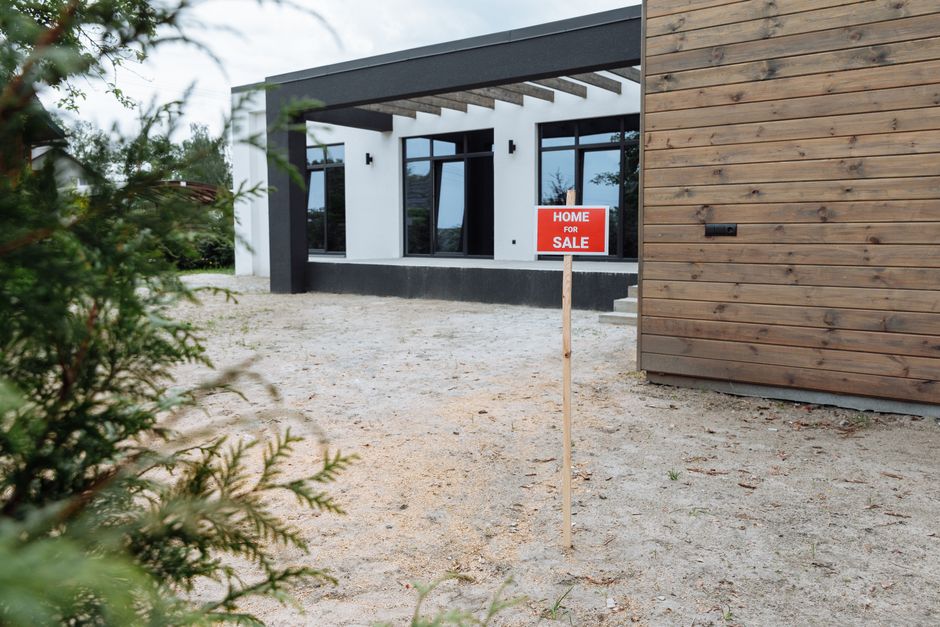
Here is a number worth sitting with: a first home buyer targeting the median Melbourne house price of $920,000 needs a $184,000 deposit just to hit the standard 20 percent threshold lenders require to avoid lenders mortgage insurance. At current savings rates, that target is moving faster than most renters can chase it.
That gap between where buyers are and where lenders want them to be is exactly why LMI — long treated as a dirty word in personal finance circles — is getting a second look from brokers and buyers alike in mid-2026. Auction clearance rates in Melbourne's inner suburbs have softened, sellers in areas like Bentleigh and Reservoir are increasingly pulling listings to private treaty, and yet prices have not dropped enough to make the deposit hurdle meaningfully easier for someone saving on a combined household income of $140,000. The arithmetic simply does not work the way conventional wisdom assumes.
Lenders mortgage insurance protects the bank, not the borrower. That much is true and worth stating plainly. On a $920,000 purchase with a 10 percent deposit — $92,000 — a buyer might pay somewhere between $18,000 and $28,000 in LMI premiums depending on the lender and exact loan-to-value ratio. Those premiums can be capitalised onto the loan, meaning the upfront cash hit is absorbed into monthly repayments rather than paid at settlement.
The counterargument from brokers who work the Frankston corridor and the Bayside market is blunt: property in suburbs like Seaford and Edithvale has risen roughly 6 to 8 percent annually over the past three years. A buyer who waits 18 months to save an extra $50,000 may find the property they had their eye on has increased in value by $60,000 or more. The LMI premium, in that scenario, is not a fee — it is effectively a discount on future price growth.
The federal government's Home Guarantee Scheme, administered through the National Housing Finance and Investment Corporation, does provide a pathway to avoid LMI entirely for eligible buyers. The First Home Guarantee allows purchases with as little as a 5 percent deposit, with the government guaranteeing up to 15 percent of the loan value. For the 2025-26 financial year, the property price cap in Melbourne sits at $800,000. That cap creates a structural problem: the median Melbourne house price now exceeds the scheme's threshold by $120,000, pushing many buyers toward units or outer-ring suburbs to qualify.
Buyers who accept that reality are making pragmatic calls. A two-bedroom unit in Footscray or a townhouse near the Cranbourne line in Berwick can still be found under $650,000, well within both the Home Guarantee cap and a price point where a 10 percent deposit is achievable within two to three years of disciplined saving. At that purchase price, LMI on a 90 percent loan might cost $12,000 to $16,000 — less confronting, and arguably worth paying to get into the market 12 months earlier.
Victoria's State Revenue Office also administers a first home buyer duty exemption on purchases up to $600,000, with a concession scaling up to $750,000. Stacking that saving against an LMI premium can neutralise a significant portion of the insurance cost, a calculation that many buyers overlook when they fixate on the LMI figure in isolation.
The practical advice from mortgage brokers working with first-time buyers in Melbourne's middle ring is consistent: get a full comparison of the cost of paying LMI now against the projected price movement in your target suburb over the next 12 to 24 months. Services like the MoneyPlace first buyer calculator and free consultations through the First Home Owner Centre on William Street in the CBD can run those numbers without committing to a lender. The goal is not to celebrate paying LMI — it is to stop treating it as automatically worse than the alternative.
Partner Content
SponsoredPartner Content lets Melbourne businesses reach engaged local readers with a clearly labelled, editorial-style feature. Every placement is marked Sponsored, in line with our sponsored content policy.
About this article
Published by The Daily Melbourne
Daily brief
Free, in your inbox before 7am. Weekdays.
You might also like
Free daily briefing
The Daily Network