First-Time Buyers Break Into Melbourne's $920K Market With New Strategies
With Melbourne's median house price sitting at $920,000 and auction confidence wobbling, first-timers need a sharper strategy than ever to get a foothold.
4 min read
With Melbourne's median house price sitting at $920,000 and auction confidence wobbling, first-timers need a sharper strategy than ever to get a foothold.
4 min read
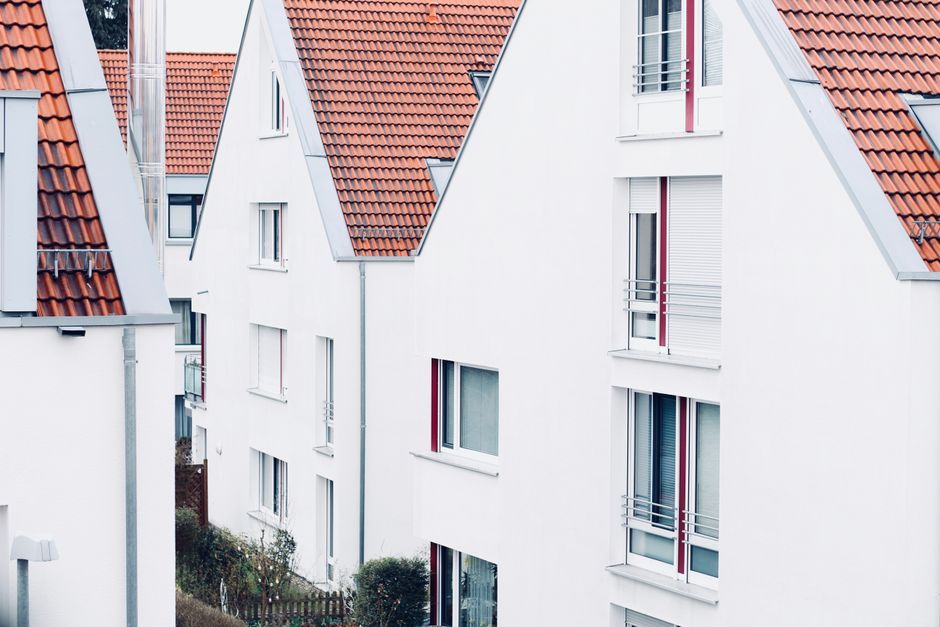
The numbers are brutal. Melbourne's median house price is holding at roughly $920,000, units aren't far behind at $620,000, and sellers who once banked on a packed auction crowd are quietly switching to private treaty sales. For anyone trying to buy their first home in this city right now, the market feels like it was designed to keep them out. It wasn't — but it does reward preparation over hope.
The shift away from auctions is significant for first-timers. When sellers lose confidence in the Saturday morning theatre of a Coburg or Reservoir auction and opt for private sale instead, it actually opens a small window. Negotiation becomes possible. Cooling-off periods apply. Buyers get a chance to breathe — something the auction room never allowed. The catch is that private sale listings attract more tyre-kickers, meaning genuine buyers need to move decisively once they've done their homework.
Geography matters enormously at this price point. Bayside suburbs like Brighton and Sandringham are effectively off the table for most first-timers; a two-bedroom unit on Bay Street, Brighton, is routinely clearing $900,000 at the lower end. The Inner East — Hawthorn, Camberwell, Balwyn — is similarly out of reach for a household on a combined income below $180,000. That's just the reality.
The Frankston corridor is a different story. Suburbs like Seaford, Carrum and Leawarra are drawing genuine first-timer interest, with three-bedroom houses still transacting in the $650,000–$750,000 range as of the June 2026 quarter. The Cranbourne line's extended timetable, introduced in late 2025, has made the commute to the CBD more palatable. Further north, Epping and Thomastown continue to offer sub-$700,000 entry points for houses on conventional blocks, though competition from migration-driven demand is tightening those corridors faster than many buyers anticipated twelve months ago.
The Victorian government's HomeBuyer Fund remains active and worth interrogating properly. Under the shared equity scheme, the state government takes up to a 25 per cent stake in the property, reducing the deposit buyers need to stump up. The income cap — $128,000 for singles, $204,800 for couples as at July 2026 — catches a reasonable slice of working Melburnians. Consumer Affairs Victoria also runs free first homebuyer seminars out of its office on Collins Street, and the sessions on understanding Section 32 vendors' statements alone are worth two hours of anyone's Saturday.
Get the pre-approval sorted before you inspect a single property. That sounds obvious, but agents at Ray White Frankston and Barry Plant Epping both report that a meaningful proportion of would-be first-timers arrive at open-for-inspections without confirmed finance, then lose properties during the bank's turnaround time. The major lenders are currently taking eight to twelve business days to issue formal approvals; some non-bank lenders are faster.
Budget for the full cost of entry, not just the purchase price. Stamp duty on a $700,000 purchase in Victoria is approximately $37,070 after the first-home buyer concession is applied — a figure that surprises people who've only run the numbers at a surface level. Conveyancing, building and pest inspections, and loan establishment fees will add another $3,000 to $5,000 on top of that.
The First Home Owner Grant — $10,000 for new builds valued under $750,000 — is still available but misunderstood. It applies to new construction or substantially renovated properties, not the existing stock that dominates suburbs like Heidelberg West or Sunshine North. First-timers fixated on established homes need to factor that they're forgoing the grant entirely.
Melbourne's property market in mid-2026 is not frozen, and it is not friendly. But it is legible, if you read the right documents, talk to the right brokers, and stop treating auction clearance rates as a guide to your own negotiating position. The buyers getting across the line right now are the ones who've done the boring work first.
Partner Content
SponsoredPartner Content lets Melbourne businesses reach engaged local readers with a clearly labelled, editorial-style feature. Every placement is marked Sponsored, in line with our sponsored content policy.
About this article
Published by The Daily Melbourne
Daily brief
Free, in your inbox before 7am. Weekdays.
You might also like
Property
Property
Property
Property
Free daily briefing
The Daily Network