What $500k to $700k Actually Buys First Home Buyers Across Melbourne Suburbs
Navigating Melbourne’s patchwork of prices, we map out the true choices for entry-level buyers using grants and support schemes.
4 min read
Navigating Melbourne’s patchwork of prices, we map out the true choices for entry-level buyers using grants and support schemes.
4 min read
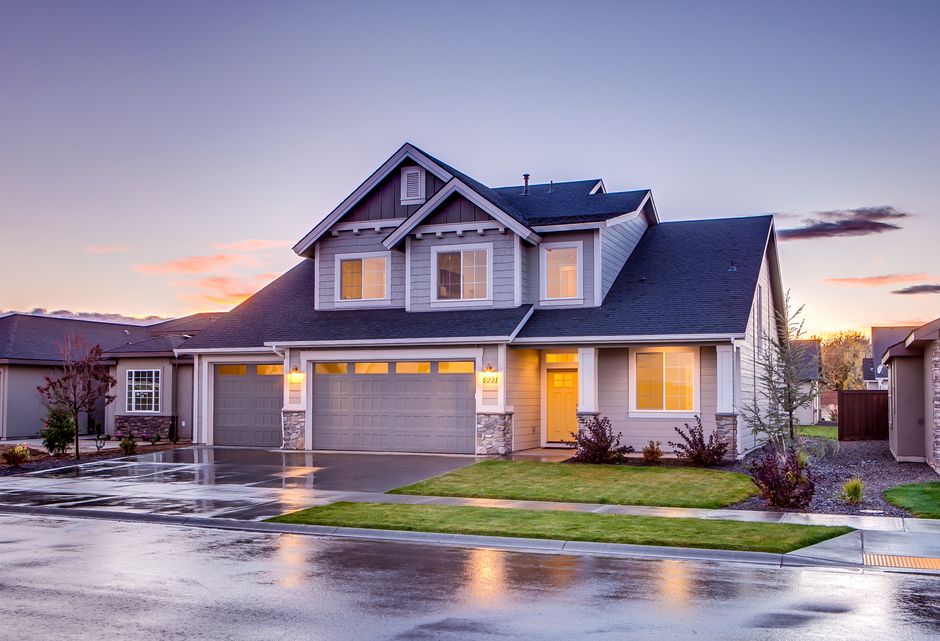
In Melbourne’s tightly held property market, $500,000 to $700,000 is the defining range for first-time buyers hoping to secure a slice of the city—and what that buys is changing fast for 2026.
The stakes are high. Real Estate Institute of Victoria (REIV) figures show more than 3,000 homes were sold last quarter in this range, but the options are shrinking as median values hover near record highs. Prices in the established inner-ring suburbs continue to climb, pushing many hopeful buyers further towards the city fringe or into smaller units to qualify for the state’s First Home Owner Grant, which offers up to $10,000 for eligible new builds under $750,000.
Buyers searching that $500k-$700k sweet spot face wildly different realities depending on location. In inner east Hawthorn, $700,000 might not stretch far beyond a one-bedroom apartment—recent sales along Burwood Road and Lennox Street show such homes often hitting $680,000 for well-located, newer units. But jump to the city’s south-east and the picture is brighter: in Cheltenham, for example, a two-bedroom renovated villa on Bernard Street recently sold for $678,000, complete with courtyard and car space.
For those willing to look further out, the Frankston corridor is seeing robust interest from first-home hopefuls. Frankston itself has seen two-bedroom brick homes on Karingal Drive and beachside unit blocks on Nepean Highway selling in the $580,000-$690,000 range since March, and the Bayside Centre precinct offers both infrastructure and transport connections.
State government incentives sweeten some deals. The Victorian Homebuyer Fund, run through Homes Victoria, will still co-purchase up to 25% of a property price for eligible buyers with only a 5% deposit—cutting the minimum cash hurdle for those aiming for entry-level units in places like West Footscray or Box Hill, where median unit prices hover just above $600,000. But, as agents from Barry Plant Carnegie reported last week, demand for anything around $600,000—especially homes with outdoor space—has outstripped supply in southwestern suburbs like Oakleigh South and Moorabbin.
REIV’s June data puts Melbourne’s overall median house price at $921,000, with units sitting at $622,000. That leaves budget-conscious buyers looking at downsizing plans or discovering new pockets on the city’s fringe. In Reservoir, recent two-bedroom villa units near Broadway sold for around $645,000, while townhouse developments adjacent to Edwardes Lake Park have been advertising from $599,000 for off-the-plan options targeting first-home buyers.
Yet, even in this middle price bracket, compromises are expected. In Footscray and Brunswick West, buyers pointed to the need for at least $680,000 to access sub-70 square metre two-bedders in walking distance to Barkly Street cafes or Melville Road trams—leaving precious little for a renovation or stamp duty unless government waivers apply. Meanwhile, consultants warn that spiking migration and low rental vacancy rates are stoking further demand: last month, Melbourne’s vacancy rate sat at 1.1%, among the lowest since 2011, according to SQM Research.
Despite the hurdles, the $10,000 First Home Owner Grant—still available for new residences valued up to $750,000—remains the critical difference for some buyers. For a first-time purchaser considering a townhouse in Point Cook (where local developer Central Equity lists three-bedroom homes starting at $694,000 near Saltwater Reserve), using both the grant and Homebuyer Fund can bring the upfront cost under $40,000.
What next? Buyers should get finance pre-approved promptly—lenders like ME Bank and member-owned Bank Australia have reported loan application increases of 18% year-on-year in the sub-$700k market—and be laser-focused on local transport, strata fees, and building standards of new units. Agents say competition remains fierce for any property with a courtyard, an extra bedroom, or proximity to a train station, even west of Sunshine or through Springvale.
The bottom line: in Melbourne’s current market, patience is as valuable as cash—and first home buyers must chart a clear-eyed course suburb by suburb, deal by deal.
Partner Content
SponsoredPartner Content lets Melbourne businesses reach engaged local readers with a clearly labelled, editorial-style feature. Every placement is marked Sponsored, in line with our sponsored content policy.
About this article
Published by The Daily Melbourne
Daily brief
Free, in your inbox before 7am. Weekdays.
You might also like
Property

Property

Property

Property
Free daily briefing
The Daily Network