Policy Changes Reshape Melbourne Property Market Strategies
Recent planning decisions and policy changes are having a significant impact on Melbourne's property market, with buyers and sellers adjusting their strategies in response.
3 min read
Recent planning decisions and policy changes are having a significant impact on Melbourne's property market, with buyers and sellers adjusting their strategies in response.
3 min read
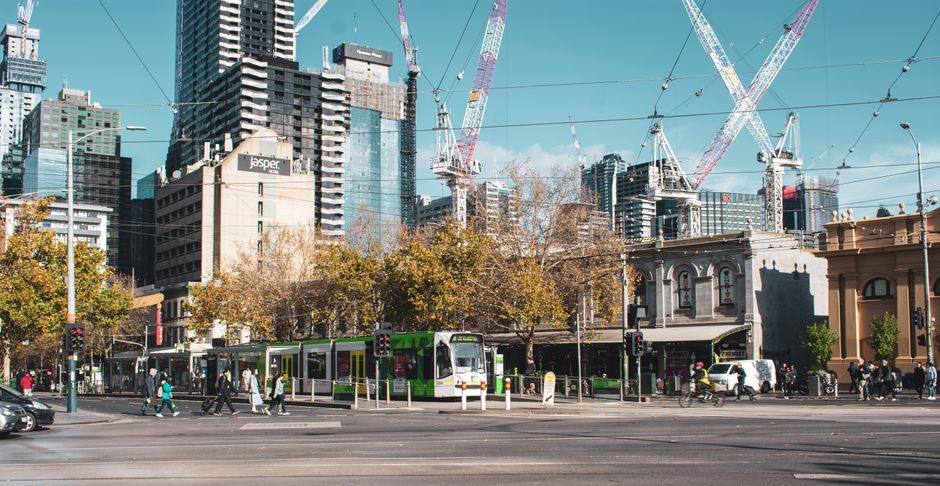
The Victorian Government's recent changes to the planning rules are set to have a major impact on Melbourne's property market, with the introduction of new zoning laws and increased focus on density and sustainability.
These changes matter now because Melbourne is experiencing a period of significant growth and transformation, driven by migration and infrastructure development. The city's median house price is currently around $920,000, while units are selling for approximately $620,000. As the market continues to evolve, buyers and sellers are looking for clarity on what the future holds. The Bayside and Inner East suburbs, traditionally some of Melbourne's most sought-after areas, are likely to be particularly affected by the new planning rules, which aim to increase density and reduce sprawl.
In areas like St Kilda and Brighton, where there is already a high demand for housing, the new rules are likely to lead to an increase in medium-density developments, such as townhouses and apartments. The Frankston corridor, which has been earmarked for significant growth and development, is also expected to see a surge in new projects, with the Victorian Government investing heavily in infrastructure and transport links. Organisations like the City of Port Phillip and the Bayside City Council will play a crucial role in shaping the future of these areas, working with developers and residents to ensure that new developments meet the needs of the community.
According to data from the Real Estate Institute of Victoria, the median house price in Melbourne has increased by 10% over the past 12 months, with some suburbs experiencing even higher levels of growth. In June 2026, the clearance rate at auctions in Melbourne was 65%, down from 75% in June 2025, indicating a shift in the market. The REIV also reports that the average days on market for houses in Melbourne is currently around 30 days, while units are taking approximately 40 days to sell. These statistics suggest that buyers are becoming more cautious, and sellers are needing to adjust their expectations in response to the changing market conditions.
As the market continues to adjust to the new planning rules and policy changes, buyers and sellers will need to be aware of the potential implications for their investments. The Victorian Government's commitment to increasing density and reducing sprawl is likely to lead to more medium-density developments, which could impact on the character of some suburbs. However, with careful planning and management, these changes could also lead to more sustainable and vibrant communities. For those looking to buy or sell in Melbourne, it will be essential to stay informed about the latest developments and to work with experienced professionals who understand the local market and the implications of the new planning rules.
Partner Content
SponsoredPartner Content lets Melbourne businesses reach engaged local readers with a clearly labelled, editorial-style feature. Every placement is marked Sponsored, in line with our sponsored content policy.
About this article
Published by The Daily Melbourne
Daily brief
Free, in your inbox before 7am. Weekdays.
You might also like
Property

Property
Property
Property
Free daily briefing
The Daily Network