Melbourne Investment Property Yields Hit Decade Lows
Melbourne rental yields compress below 3% as median prices hit $920k. Investors shift strategy toward growth corridors like Frankston to combat yield crisis.
2 min read
Melbourne rental yields compress below 3% as median prices hit $920k. Investors shift strategy toward growth corridors like Frankston to combat yield crisis.
2 min read
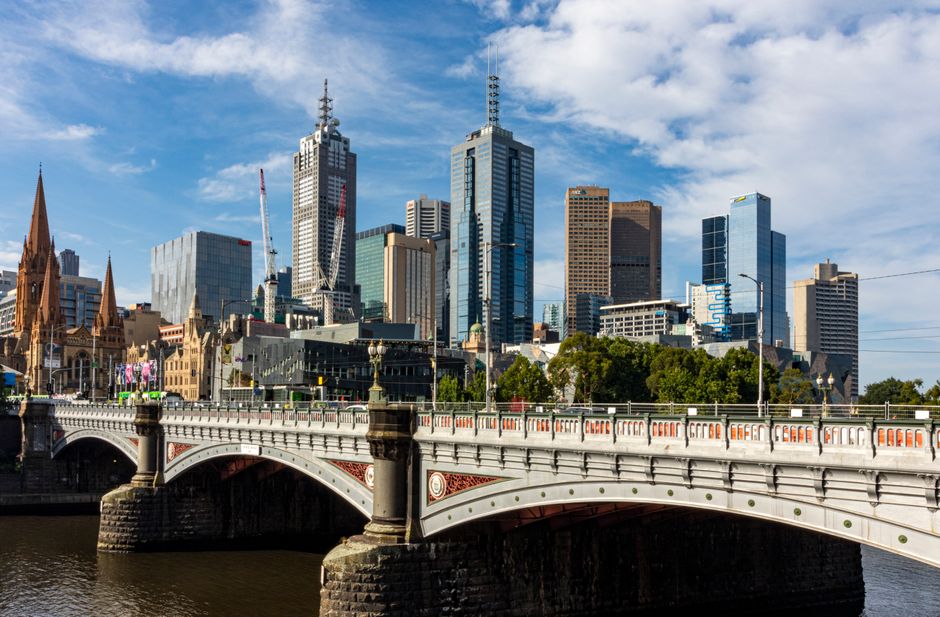
Melbourne's investment property market is sending mixed signals as rising values collide with stagnant rental growth, creating what savvy investors are calling a "yield crisis."
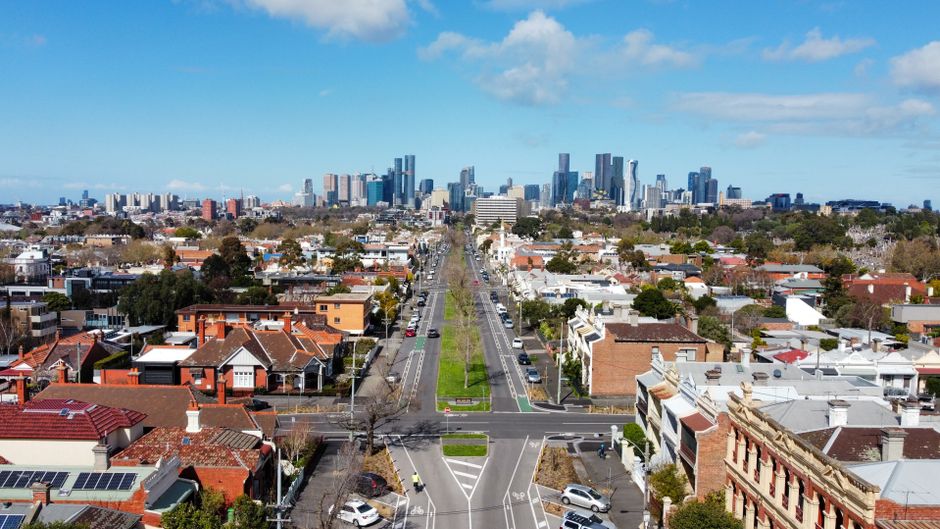
The numbers tell a sobering story. While median house prices across Greater Melbourne sit at approximately $920,000, rental yields have compressed to historically thin levels—many established suburbs now delivering returns below 3 per cent annually. For investors accustomed to the 4-5 per cent yields of previous cycles, the landscape has fundamentally shifted.
"We're seeing investors gravitate toward growth corridors rather than traditional yield plays," says a spokesman from a local property advisory firm. Frankston and its surrounding precincts have emerged as relative bright spots, where emerging transport infrastructure and younger demographic profiles are keeping rental demand steadier. Similarly, the Bayside suburbs—while more expensive—continue attracting tenants willing to pay premium rents, though purchase prices have climbed accordingly.
Inner East strongholds like Camberwell and Hawthorn present a paradox. These blue-chip addresses command $1.2-1.5 million price tags yet struggle to deliver meaningful yield premiums. Unit investors face even tougher conditions, with median apartment prices near $620,000 often paired with yields struggling to break 3 per cent.
The headwind is clear: capital growth expectations, which once supplemented weak yields, have slowed considerably. Queensland's cautionary tale—where investor tax crackdowns are triggering a predicted correction through 2029—is reverberating through Melbourne conversations. While Victoria hasn't adopted similar measures, the regulatory uncertainty alone is tempering investor appetite.
However, pockets of opportunity persist for strategic buyers. Emerging precincts along the Frankston corridor—where median prices remain $200,000-300,000 below inner suburbs—are attracting yield-focused investors content to chase 3.5-4 per cent returns with potential capital appreciation as infrastructure improves. Similarly, carefully selected properties in established suburbs with renovation potential can unlock better returns through strategic value-add strategies.
First-home buyers also deserve consideration in this equation. Despite state government efforts extending the $30,000 First Home Owners Grant, many remain priced out of traditional entry-level suburbs, potentially tightening tenant pools in historically landlord-friendly areas.
For Melbourne investors navigating 2024, the message is evolving: generic buy-and-hold strategies in premium suburbs are facing serious headwinds. Success increasingly demands careful suburb selection, a longer investment horizon, and acceptance that Melbourne's property market is gradually normalising after years of exceptional growth.
This article was compiled by AI from the sources linked above and screened before publishing. See our editorial standards.
About this article
Published by The Daily Melbourne
Daily brief
Free, in your inbox before 7am. Weekdays.
You might also like
Free daily briefing