From Coburg to Carnegie: How Melbourne's grassroots sports clubs are thriving and building community
As suburban clubs surge in membership and investment, they're proving that local sport isn't just about winning—it's about belonging.
2 min read
As suburban clubs surge in membership and investment, they're proving that local sport isn't just about winning—it's about belonging.
2 min read
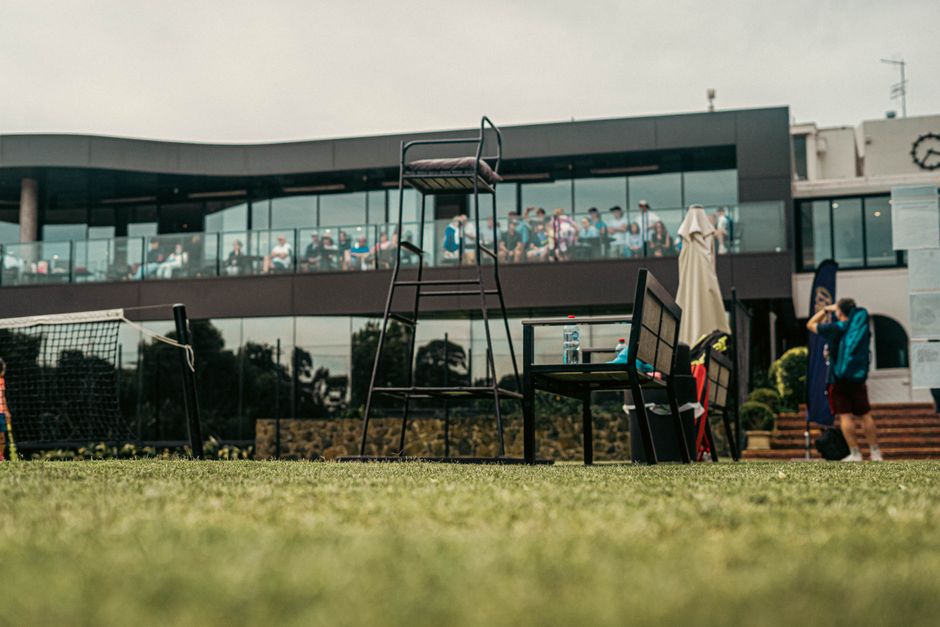
Walk past the oval at Coburg Reserve on a Saturday morning and you'll see something that would have seemed unlikely a decade ago: three junior cricket nets running simultaneously, a junior netball clinic, and a burgeoning Australian Rules Football program that's attracted 340 registered players this season.
Coburg Cricket Club, nestled along Bell Street in Melbourne's inner north, exemplifies a quiet revolution happening across the city's grassroots sports landscape. Membership has grown 45 percent in the past three years, driven largely by families seeking structured community spaces for their children.
"The investment in infrastructure has been transformative," explains the club's development coordinator. Junior participation fees at most suburban Melbourne clubs now hover between $180 and $250 per season—substantially lower than private sports academies—making organised sport accessible to working families across the socioeconomic spectrum.
This pattern repeats across the metropolitan area. Carnegie Basketball Club, operating from the Koornang Park precinct in the city's south-east, has doubled its under-16 participation in two years. Box Hill North Tennis Club reports waiting lists for junior coaching programs. Even emerging sports like touch football and ultimate frisbee are finding homes in community clubs from Footscray to Ringwood.
The Melbourne City Council's allocation of $12 million for grassroots sports infrastructure over the past five years has catalysed this growth. Upgraded lighting at suburban ovals, refurbished clubrooms, and improved change facilities have transformed these venues from tired community spaces into destinations.
But the real driver isn't bricks and mortar—it's people. Volunteers remain the backbone of every club. Most run on budgets between $50,000 and $150,000 annually, reliant on fundraising, small sponsorships from local businesses, and committee members who donate countless unpaid hours.
The social returns are measurable. Clubs report that participation correlates with improved mental health outcomes, stronger school attendance, and enhanced social connection—particularly important in a city where geographic sprawl can isolate families. For many junior members, their club becomes their primary social network.
What's emerging is a model of sport that prioritizes accessibility and inclusion over elite performance pipelines. While talent pathways remain important, the emphasis has shifted toward participation, skill development, and community belonging.
As Melbourne continues to grow and diversify, these grassroots clubs are quietly doing essential cultural work—stitching together the social fabric of suburban Melbourne, one junior round-robin fixture at a time.
This article was compiled by AI from the sources linked above and screened before publishing. See our editorial standards.
About this article
Published by The Daily Melbourne
Daily brief
Free, in your inbox before 7am. Weekdays.
You might also like
Sport

Sport
Sport
Sport
Free daily briefing