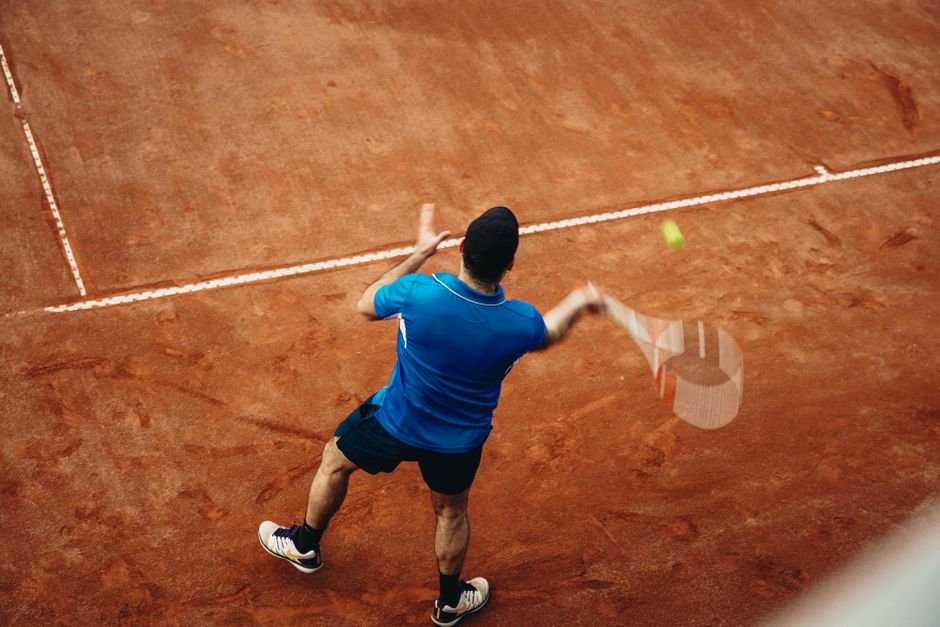
Walk past the Burnley Park precinct on a Tuesday evening and you'll find every tennis court booked solid. Drive through Coburg on a Saturday morning and the oval waiting lists stretch weeks ahead. Melbourne's recreational sports scene is thriving, but the infrastructure supporting it is increasingly stretched thin.
Participation in amateur leagues across the city has grown steadily over the past five years. Basketball clubs in the Southern Basketball League report membership up 23 per cent since 2021, while local cricket associations across the Greater Melbourne region saw participation jump 18 per cent last season. Yet the facilities these players rely on—many built in the 1980s and 1990s—are showing their age.
"We've got 340 registered players across our three divisions," says a spokesperson for one Footscray-based soccer club. "But the council's only given us two nights a week on the oval at Maribyrnong Park. The grass is patchy, the lighting is substandard, and during winter it floods." Similar complaints echo from netball clubs in Hawthorn, basketball courts in Preston, and tennis facilities across the inner north.
Funding remains the critical bottleneck. A recent audit by Sport & Recreation Victoria identified that 64 per cent of council-managed sports facilities in metropolitan Melbourne require moderate to significant upgrades. Resurfacing a synthetic basketball court runs $180,000 to $220,000. A full oval renovation can exceed $500,000. For cash-strapped local councils managing dozens of facilities simultaneously, prioritisation becomes brutal.
Coburg Lawn Tennis Club, which operates eight courts near Bell Street, last upgraded its surface in 2015. "We've applied for grants three times," a club official noted. "Each time, we've been knocked back or offered insufficient funds." The club now charges members $320 annually just to cover maintenance costs—a 19 per cent increase in two years.
Some clubs are finding creative solutions. Preston Basketball Association partnered with a local private developer to upgrade courts at Plenty Road Reserve in exchange for limited public access. Others, like Thornbury Bowling Club, have pivoted to fundraising through community events and corporate sponsorships.
The state government's $200 million Community Sports Infrastructure Grants program, announced last year, has provided relief—but demand vastly outstrips available dollars. Across Melbourne's 31 councils, more than 800 facility upgrades are currently on waiting lists.
For players lacing up on tired courts and muddied ovals, the message is clear: Melbourne's recreational sports culture is bursting at the seams, but the foundations supporting it urgently need shoring up.
This article was compiled by AI from the sources linked above and screened before publishing. See our editorial standards.