Melbourne's reputation as Australia's sporting capital rests on far more than tradition. A sprawling network of upgraded stadiums, training facilities and grassroots venues across the city demonstrates how sustained investment in infrastructure keeps the city at the forefront of global sport.
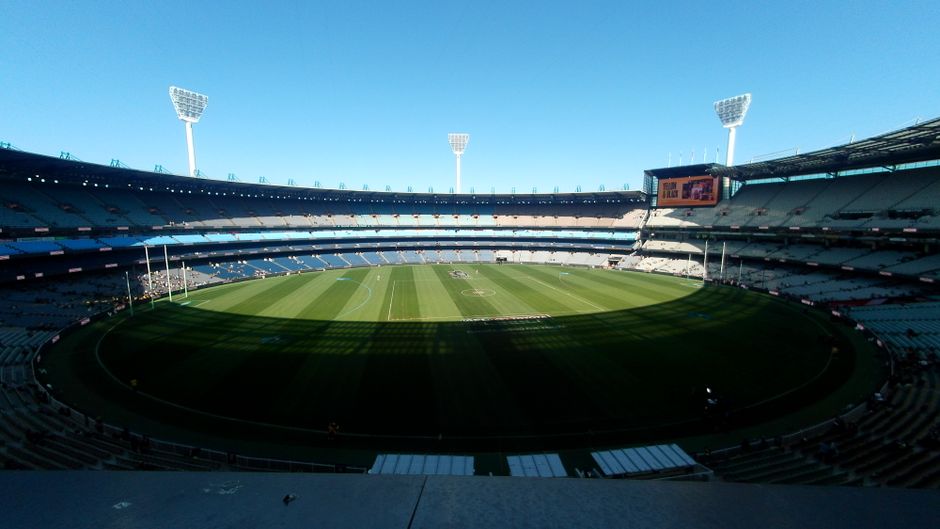
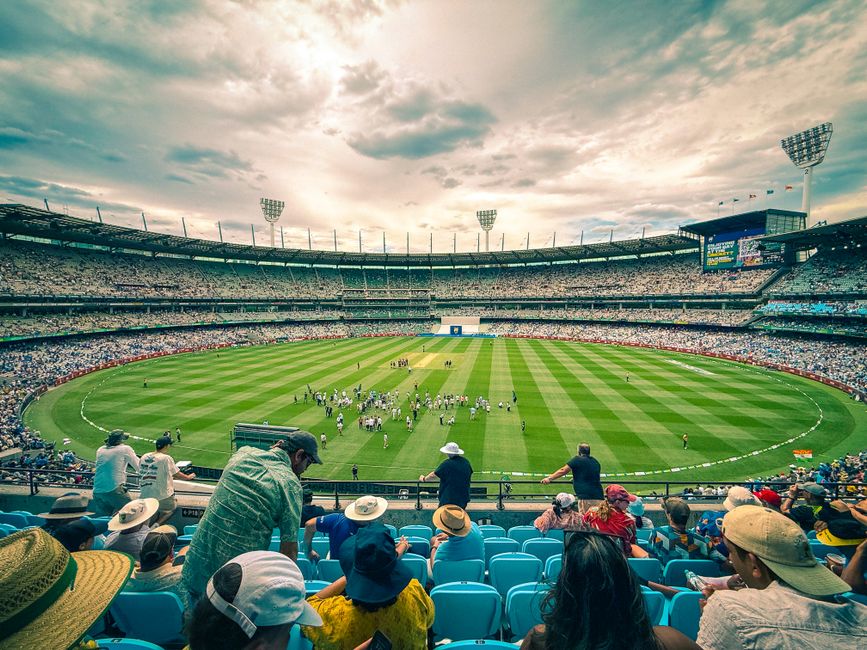
The MCG's transformation remains emblematic. The recent $500 million redevelopment has added state-of-the-art facilities beneath the iconic arena, including expanded player amenities and premium hospitality zones. Yet the real story extends far beyond Fitzroy. The Melbourne Cricket Ground anchors a network that includes the refurbished AAMI Park in the Park Precinct—home to Melbourne Storm and Melbourne City FC—which reopened with enhanced seating and training facilities after significant upgrades completed in 2024.
Across the Yarra, Rod Laver Arena at Melbourne Park continues to set global standards for tennis. The retractable roof installation a decade ago positioned the Australian Open venue as a year-round competition space, with capacity now exceeding 14,000. The precinct's three additional courts underwent $280 million in modernisation, establishing training infrastructure that attracts international players year-round.
But Melbourne's strength lies in distributed investment. Albert Reserve in Highett now hosts the Sandringham Football Club with upgraded facilities supporting AFL development pathways. Lakeside Stadium in Albert Park underwent $30 million reconstruction, becoming a hub for athletics and community sport. Coburg's Olympic Park Athletics Centre continues investing in track facilities that produce national representatives.
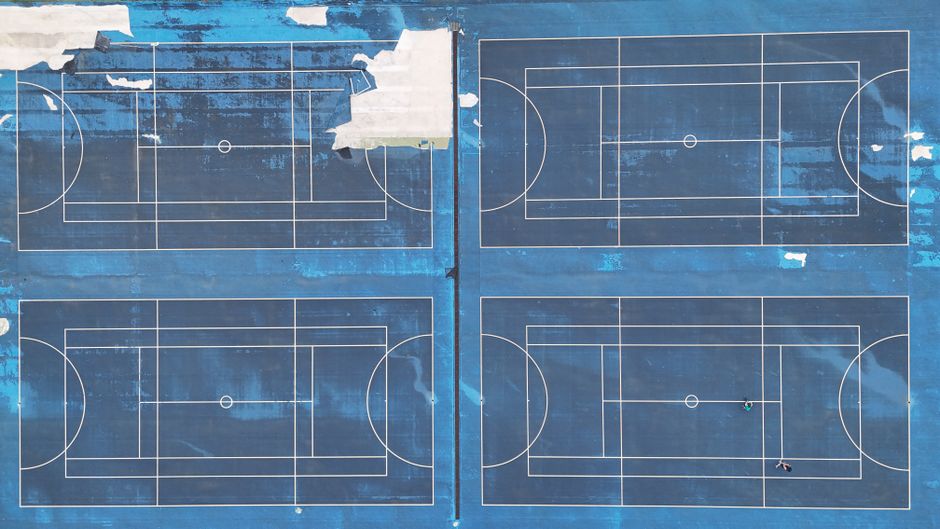
The suburbs are equally critical. Venues like Elsternwick Park Cricket Ground and the sprawling facilities at Glen Waverley Secondary College have received council funding to support junior development across cricket, athletics and football codes. This decentralised approach prevents infrastructure bottlenecks while embedding sport deeper into residential communities.
Swimming remains a priority. The City Baths on Swanston Street underwent $50 million renovation completed in 2023, while regional facilities like Coburg Olympic Pool provide competitive training environments. These venues host swimmers preparing for national championships and Olympic trials.
Infrastructure investment also extends to training grounds. AFL clubs maintain private facilities across metropolitan Melbourne, while the Sandringham Training Centre supports player development. The importance of these hidden-from-public facilities cannot be overstated—they're where elite athletes gain competitive edges.
As Melbourne prepares to host major events in coming years, including potential Olympic-related competitions, continued infrastructure development remains essential. City Council allocations and state government funding have prioritised modernisation, ensuring venues meet international standards while remaining accessible to grassroots participants who sustain the city's sporting culture for decades to come.
This article was compiled by AI from the sources linked above and screened before publishing. See our editorial standards.