Melbourne's endurance sport community is experiencing unprecedented growth, driven by a infrastructure renaissance that has transformed the city's approach to supporting runners, cyclists and triathletes. The expansion of dedicated facilities across metropolitan and regional areas is reshaping how serious athletes train and compete locally.
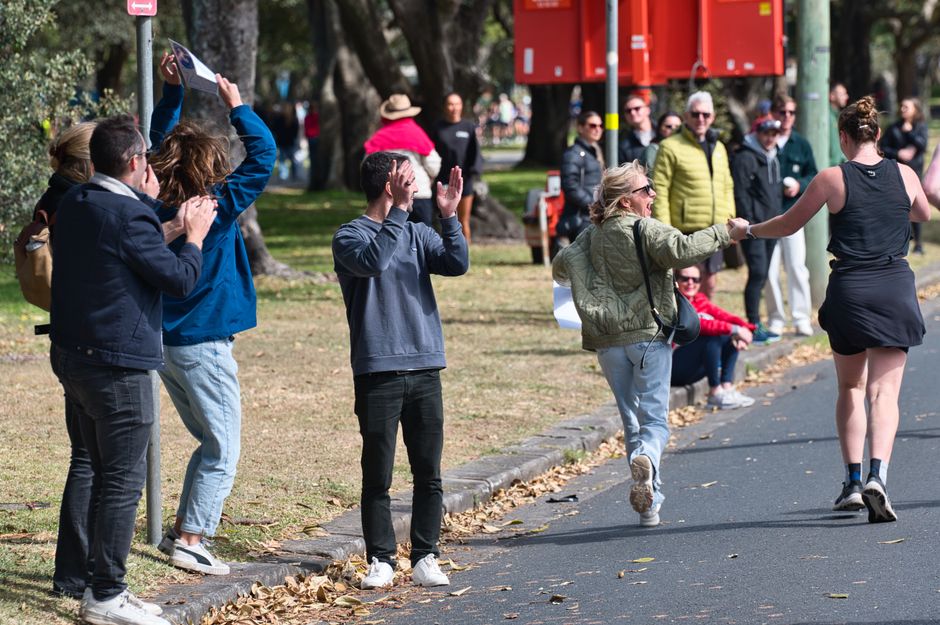
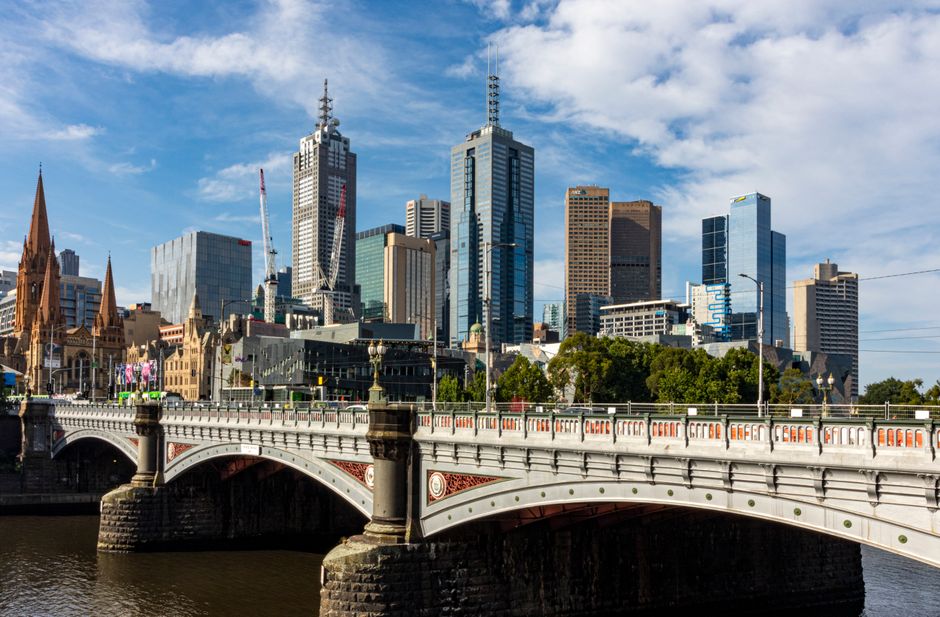
The Albert Park Lake circuit remains the city's flagship running destination, with its 5-kilometre pathway now complemented by expanded lighting and amenity upgrades completed in 2024. But the real game-changer has been the Yarra River Trail network, which now stretches over 38 kilometres from Warburton through the CBD to Southbank. The investment has attracted both recreational and elite athletes, with Running Victoria reporting a 34 per cent increase in registered long-distance runners since 2024.
Cycling infrastructure tells a similar story. The completion of the Upfield Bike Lane extension to Coburg and the dedicated Alpine Road corridor in the Dandenongs has created safe, high-quality training routes that rival anything in Australia. Zwift-enabled training hubs have opened in Collingwood and Footscray, allowing athletes to integrate indoor and outdoor sessions seamlessly. Local bike shops report that triathlon and gravel cycling equipment sales have jumped 42 per cent year-on-year.
Triathlon-specific facilities have been the standout development. Yarra Bay, traditionally a swimming beach, now features a purpose-built triathlon transition zone opened by Triathlon Victoria in March 2025. Membership at the facility has exceeded 800 athletes in just 15 months. Complementing this, the Dandenong Ranges now host three dedicated multisport training camps, attracting interstate and international visitors seeking altitude work and scenic long-course preparation.
The Collingwood Children's Farm precinct has been reimagined as a low-cost community hub, offering group coaching for runners and cyclists at $15 per session—significantly below Melbourne's average of $45. This democratisation of access has been crucial in broadening participation beyond affluent inner-city suburbs.
Government data shows that local endurance sport participation across metropolitan Melbourne has grown to 127,000 active participants, up from 84,000 in 2022. While elite athletes train on these expanding networks, the infrastructure success ultimately reflects grassroots demand—thousands of Melburnians discovering that world-class facilities can indeed drive genuine community engagement with distance sport.
This article was compiled by AI from the sources linked above and screened before publishing. See our editorial standards.
About this article
Published by The Daily Melbourne
This article was produced by the The Daily Melbourne editorial desk and covers sport in Melbourne. See our editorial standards for how we use AI.
See something wrong? Suggest a correction.
Daily brief
Enjoyed this? Wake up to Melbourne news every morning.
Free, in your inbox before 7am. Weekdays.