As Melbourne enters the final week of June, the endurance sports calendar shifts into overdrive. Winter racing season, which kicked off in April across the city's iconic venues, has now reached the decisive phase where summer preparation meets championship ambition.
The Albert Park Lake precinct remains the epicentre of local triathlon action, with organisers reporting strong participation numbers across sprint and Olympic-distance events throughout the cooler months. Athletes have been capitalising on Melbourne's mild winters to build aerobic base work, and now the focus sharpens toward July's state-level qualifiers—the gatekeepers for national team selection in September.
On the running front, the Tan Track around the Royal Botanic Gardens continues to pulse with activity from dawn training groups through to evening sessions. Local running clubs report membership uptake has remained steady, with many Melbourne-based distance runners targeting the National Cross Country Championships in August as their primary winter focus. Competition for spots in Victorian relay teams has intensified markedly since late May.
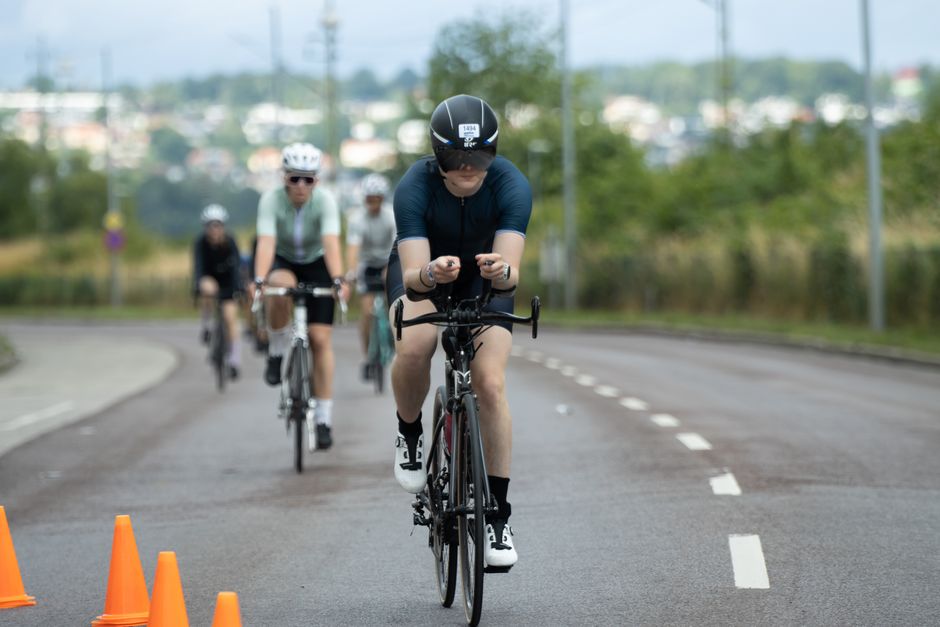
The cycling community, meanwhile, finds itself in the throes of finals preparation for Victorian Masters and age-group road racing. Courses around the Dandenong Ranges and out towards the Yarra Valley have hosted a steady stream of club time trials and handicap races, with performances now determining ladder positions heading into August's state road race championships.
Triathlon clubs operating from facilities in the inner suburbs—particularly around Abbotsford and Collingwood—report their busiest training cycles of the year. Athletes juggling work commitments with 10-15 hour weekly training loads are navigating taper phases carefully, conscious that fitness peaks must align with late July and early August qualifying windows.
Entry fees for major July events range from $65 for local 5km runs to $280 for Olympic-distance triathlons, reflecting the professional-grade organisation that Melbourne's endurance scene now commands. Participation across all three disciplines remains robust, with cycling and running participation particularly strong among the 30-45 age demographic.
The convergence of winter conditions—cool temperatures ideal for sustained aerobic work—with championship deadlines creates a unique pressure point. Athletes who have managed fatigue wisely over the past eight weeks now reap dividends, while those who miscalculated training load face the sobering reality of missing selection windows.
For Melbourne's endurance community, July represents the culmination of months of preparation, the moment when long winter efforts translate into tangible competitive outcomes. The city's parks, lakes and roads will soon tell which athletes have done their work.
This article was compiled by AI from the sources linked above and screened before publishing. See our editorial standards.