Melbourne's fitness landscape has undergone a dramatic transformation over the past three years, with significant investment in facilities and infrastructure fundamentally reshaping how the city's residents approach training and wellness.
The expansion tells a clear story. Southbank's sports precinct, already home to the Melbourne Sports and Aquatic Centre, has become increasingly sophisticated, with recent renovations adding climate-controlled strength zones and recovery facilities. Meanwhile, neighbourhood gyms across Fitzroy, Brunswick, and Collingwood have undergone substantial upgrades to meet demand from younger demographics seeking functional training spaces rather than traditional bodybuilding setups.
According to fitness industry data, Melbourne currently operates approximately 280 licensed gym facilities across metropolitan areas, with the inner suburbs accounting for roughly 40 per cent of new openings since 2023. Average membership costs range from $15 to $35 weekly, significantly lower than comparable global cities, yet facilities increasingly offer premium services once reserved for elite athletes.
The infrastructure shift reflects a broader cultural change. Council-funded facilities like those operated through the City of Melbourne and surrounding municipalities have invested heavily in multipurpose spaces. Preston's renovated aquatic centre, for instance, now includes eight-lane competition pools alongside hydrotherapy facilities and strength training areas—infrastructure previously found only in purpose-built Olympic venues.
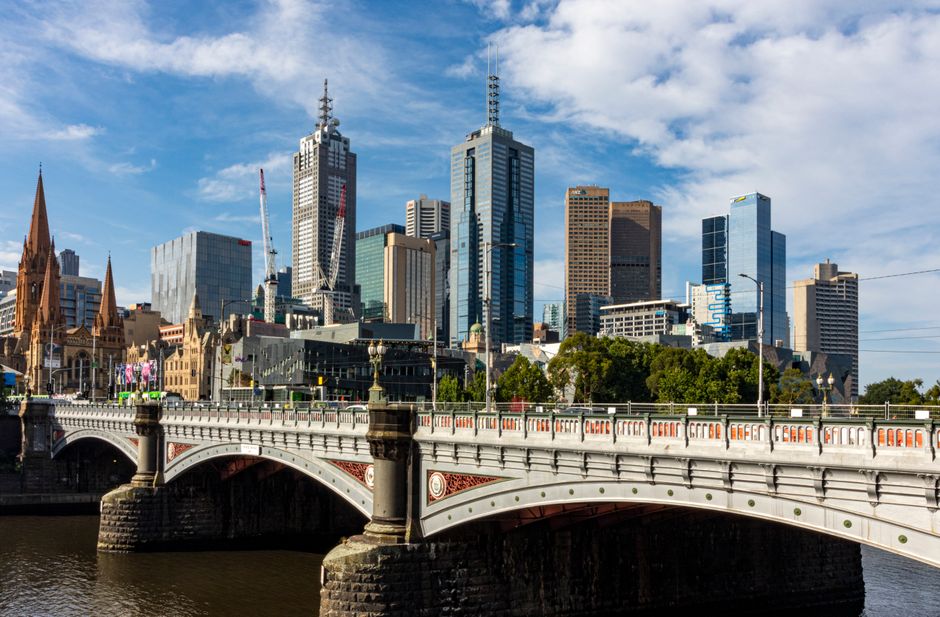
Street-level accessibility has improved markedly. Chapel Street in South Yarra, once synonymous with retail, now features four dedicated fitness facilities within a two-kilometre stretch, while the Cremorne precinct near the Yarra River has emerged as an unexpected hub for outdoor training infrastructure, including calisthenics parks and rowing clubs.
What distinguishes Melbourne's current moment is the democratisation of elite-level infrastructure. CrossFit boxes, Olympic weightlifting clubs, and sports science facilities once concentrated in Docklands and the CBD have dispersed across suburbs like Coburg, Bentleigh, and Prahran. This decentralisation has reduced barriers to entry for residents outside the inner circle.
The trend has economic implications too. Suburbs investing in facility upgrades—such as Balwyn's recent community sporting centre renovation—report increased local engagement and property interest. The City of Melbourne's 2025-26 budget allocated $8.2 million toward facility maintenance and minor improvements across public spaces, signalling sustained commitment.
Looking forward, accessibility and sustainability appear central to planning discussions. Conversations among council bodies increasingly focus on climate-controlled outdoor spaces, reducing energy consumption in aquatic facilities, and ensuring geographic equity in facility distribution.
For athletes and casual fitness enthusiasts alike, Melbourne's infrastructure investment represents more than upgraded equipment. It reflects a city-wide commitment to positioning sport and fitness as integral to urban living.
This article was compiled by AI from the sources linked above and screened before publishing. See our editorial standards.