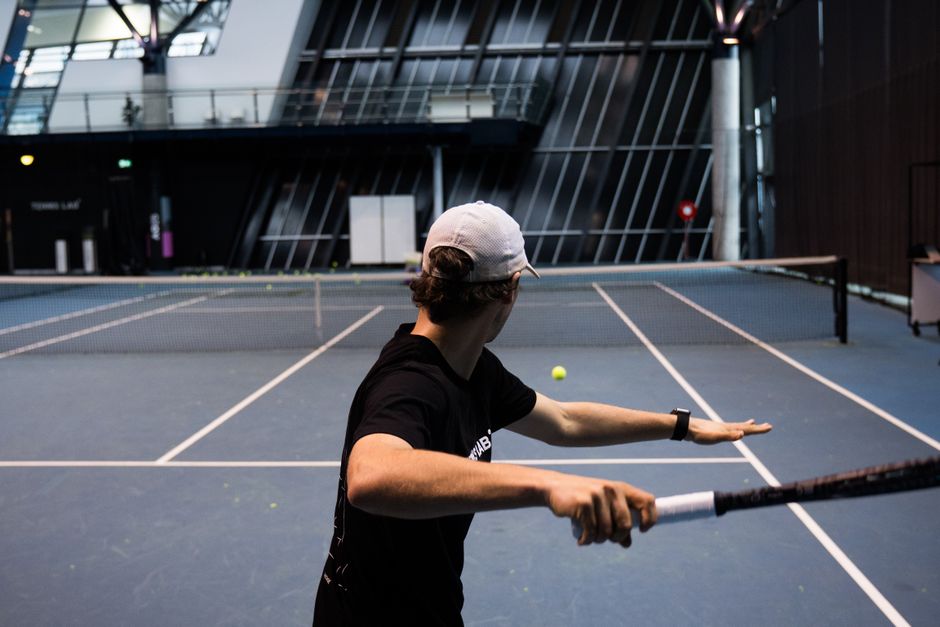
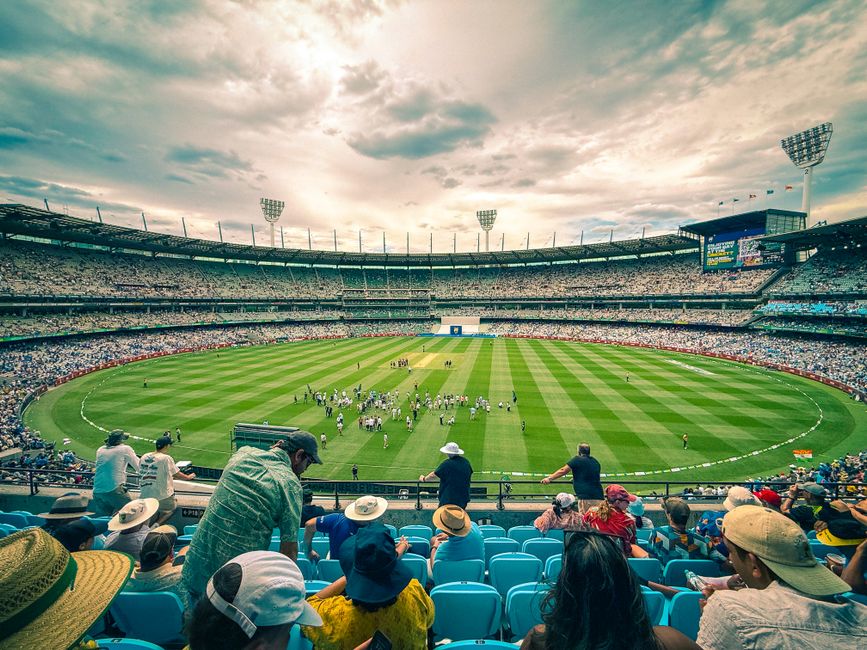
Walk through Alexandra Park on a Saturday morning in Fitzroy, and you'll witness the beating heart of Melbourne's grassroots sports revival. Junior football teams in bright training bibs weave through drill stations while parents clutching takeaway coffees line the sidelines—a scene replicated across dozens of suburbs where local clubs are experiencing unprecedented growth in youth participation.
The numbers tell a compelling story. Community sport organisations across greater Melbourne report membership increases of 15-20 per cent over the past two years, with junior programs leading the charge. At Coburg Districts Football Club, nestled in the northern suburbs, the under-12 cohort has grown from 34 players in 2024 to 87 this year. Similar surges are evident at Preston Cricket Club, where junior registrations have climbed steadily, and at local netball clubs across the inner north.
"Young people are craving community," says one prominent local club administrator. "After years of disruption, families are actively seeking structured environments where their kids can develop resilience, friendships, and skills."
The accessibility factor remains crucial. Most grassroots clubs maintain registration fees between $150 and $300 annually—affordable for most households—while volunteer-driven coaching keeps operational costs lean. Programs at Doncaster Basketball Association and South Yarra Junior Tennis Club demonstrate how volunteer networks can scale effectively, with parent-coaches receiving basic certification through Sport Victoria's community development initiatives.
Infrastructure investment has also catalysed growth. The redeveloped sporting facilities at Darling Gardens in Carlton and upgraded change facilities at Princes Park have made junior participation more appealing to families. Several councils have waived or reduced ground hire fees for junior-focused clubs, recognising the community health benefits.
Beyond raw participation numbers, clubs are strengthening neighbourhood bonds. Multi-sport carnivals at Coburg Lake reserve now draw families from five suburbs. Junior baseball at Pascoe Vale attracts participants from migrant communities, fostering cultural integration through shared athletic pursuits. Mentorship programs pairing junior players with experienced volunteers create pathways for young people seeking role models.
Club administrators acknowledge challenges remain—volunteer burnout, funding gaps for equipment, and competition from commercial fitness providers. Yet the trajectory is unmistakable. As one Preston-based club leader noted, "We're not just developing athletes; we're building the social fabric that makes neighbourhoods feel connected."
For Melbourne's inner and outer suburbs, that grassroots momentum represents something increasingly precious: spaces where young people belong, learn, and thrive together.
This article was compiled by AI from the sources linked above and screened before publishing. See our editorial standards.
About this article
Published by The Daily Melbourne
This article was produced by the The Daily Melbourne editorial desk and covers sport in Melbourne. See our editorial standards for how we use AI.
See something wrong? Suggest a correction.
Daily brief
Enjoyed this? Wake up to Melbourne news every morning.
Free, in your inbox before 7am. Weekdays.