From Local Ovals to World Stage: How Melbourne's Grassroots Networks Built a Sporting City
Behind every major venue hosting international events lies a decades-long community foundation—and Melbourne's clubs prove the formula works.
3 min read
Behind every major venue hosting international events lies a decades-long community foundation—and Melbourne's clubs prove the formula works.
3 min read
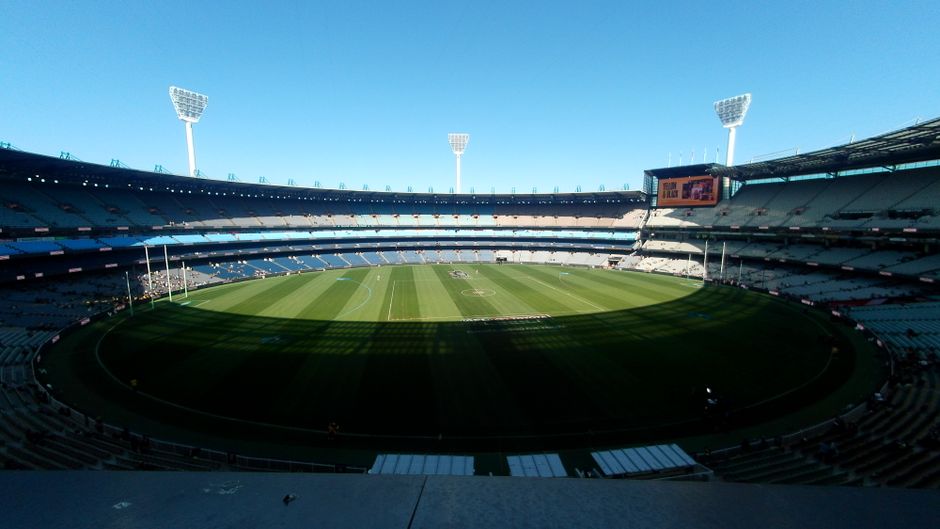
Walk past the MCG on a quiet Tuesday morning, and you'll see not the roar of 100,000 spectators but a handful of local cricketers practising in the nets. That scene—humble, unglamorous, essential—tells the real story of how Melbourne became a world sporting capital.
The city's major stadiums didn't emerge fully formed. They grew from grassroots communities that began in local ovals across suburbs like Coburg, Footscray, and Hawthorn more than a century ago. Today, as Melbourne hosts major events from the Australian Open to international football matches, sports administrators increasingly recognise that sustainable venue culture depends on the amateur clubs feeding talent and passion into the system.
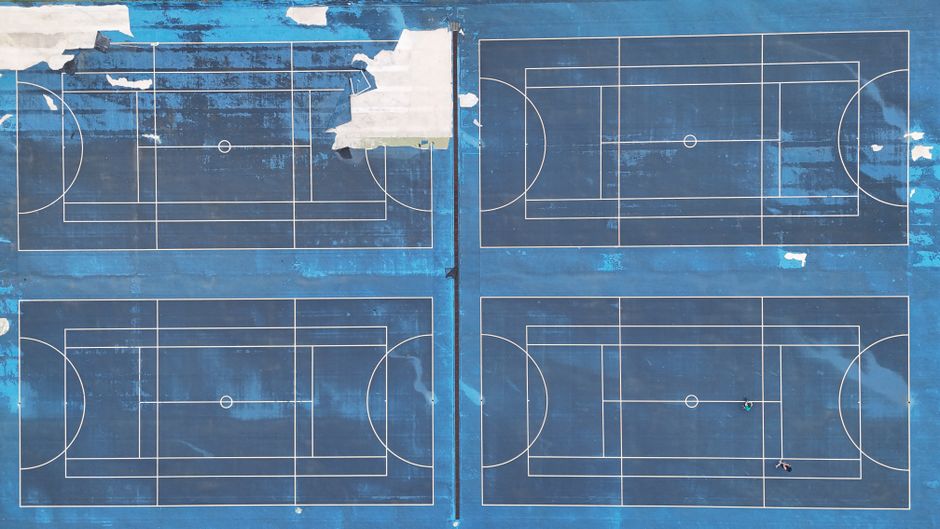
Consider the Western Oval in Footscray, a modest suburban ground that has nurtured local football for generations. Membership costs typically run $150–250 annually, yet the oval regularly hosts four or five senior and junior teams each season. Similar stories play out across the Yarra Valley and eastern suburbs, where tennis clubs, athletics tracks, and netball courts form the infrastructure of community sport.
The grassroots movement has tangible economic impact. A 2024 analysis by Sport and Recreation Victoria found that community sporting organisations across metropolitan Melbourne generated approximately $3.2 billion annually in economic activity—far exceeding what major venues alone could produce. More importantly, these local clubs develop athletes, officials, and volunteers who eventually staff larger operations.
Federation Square's proximity to the MCG symbolises this connection. While tourists photograph the stadium's iconic structure, local running clubs meet nearby to train for marathons, and junior soccer associations book time on surrounding fields. These parallel networks are not secondary to elite sport—they are its foundation.
Recent investment in suburban grounds demonstrates growing policy recognition of this reality. Councils from Moreland to Monash have upgraded local facilities, understanding that accessible, affordable community venues retain participants and build long-term engagement. The City of Melbourne's 2025–2029 sports strategy explicitly prioritises grassroots infrastructure alongside major venue maintenance.
As global sporting events increasingly compete for host cities, Melbourne's advantage lies not in its stadiums alone but in the interconnected web of community organisations supporting them. The junior footballer at Coburg Oval today might staff the MCG in 2030. The local tennis player at a Toorak club might become an official at Australian Open qualifiers.
Melbourne's real sporting legacy isn't measured in international headlines but in the thousands of weekly participants across ordinary ovals and courts—the true engine of the city's athletic culture.
This article was compiled by AI from the sources linked above and screened before publishing. See our editorial standards.
About this article
Published by The Daily Melbourne
Daily brief
Free, in your inbox before 7am. Weekdays.
You might also like
Sport

Sport
Sport
Sport
Free daily briefing