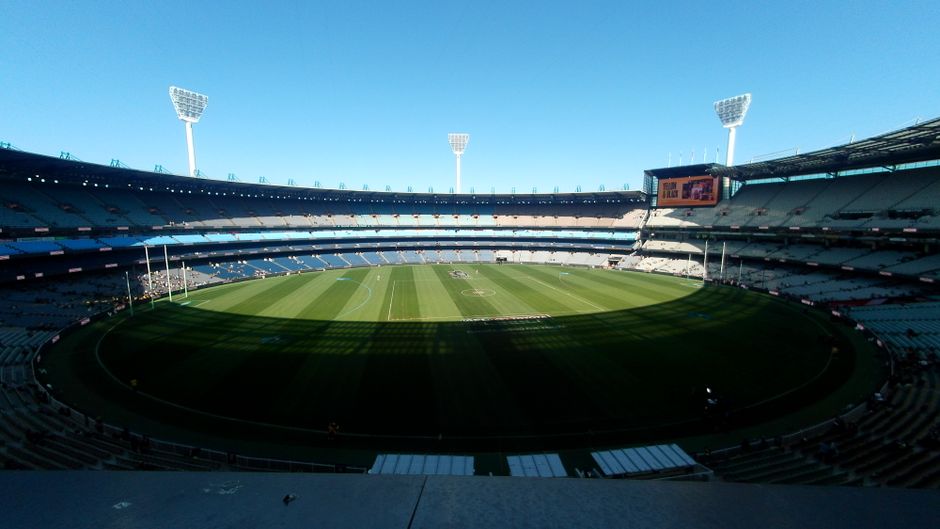
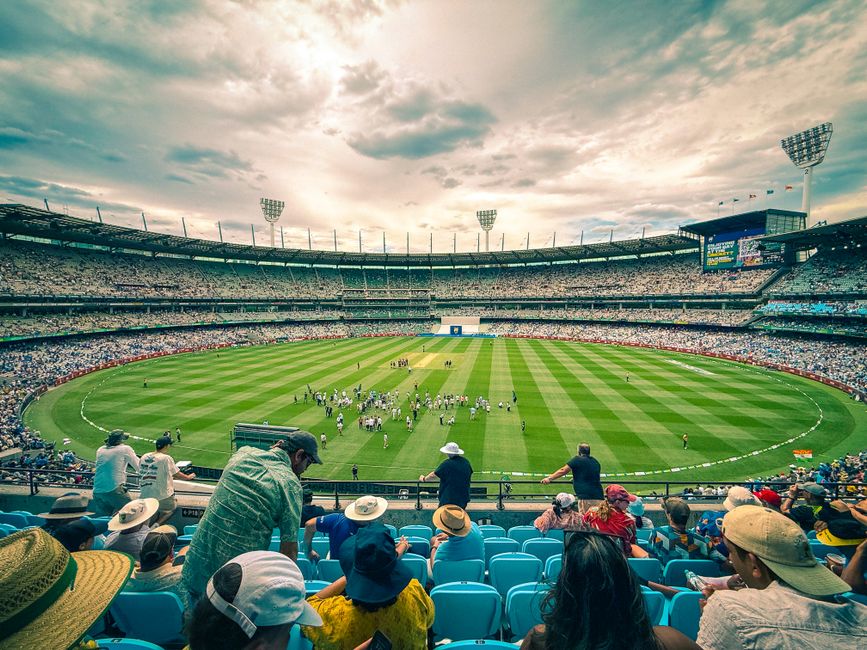
As Melbourne heads into the second half of the AFL season, the city's fitness facilities are preparing for their own kind of finals push. Gyms across the inner suburbs—from Southbank to Fitzroy, Hawthorn to St Kilda—are bracing for a predictable but pronounced surge in membership and training intensity as winter sport reaches its crescendo and amateur athletes look to maintain peak conditioning.
"July through September is our highest-traffic period," says a strength and conditioning professional working across multiple facilities in the CBD. "People know finals are coming and they want to be strong, mobile, and ready—whether they're playing in the VFA, local footy leagues, or just want to stay fit through the cold months."
The trend aligns with broader Australian fitness data. Industry figures suggest gym attendance typically spikes 18-22 per cent during mid-winter, driven partly by the Australian football calendar and the cultural priority placed on team sports. In Melbourne, where the AFL dominates the sporting calendar, this effect is particularly pronounced.
Several premium facilities along the East Melbourne and Carlton borders report fully booked personal training slots by late June, with waitlists extending into August. Standard membership rates across boutique studios in Collingwood and inner-west venues range from $180 to $280 monthly, though many gyms are offering incentive pricing—typically 10-15 per cent discounts—to lock in long-term commitments before the finals rush hits peak.
The training focus shifts noticeably as well. Rather than aesthetics-driven programming common in spring, winter training emphasises functional strength, injury prevention, and sport-specific conditioning. Local CrossFit boxes and strength gyms report increased demand for explosive power work, plyometric sessions, and lower-body stability training—all critical for contact sport athletes heading toward finals.
Nutritionists and recovery specialists working across South Yarra and Prahran have also noted uptick in consultations. Cold-weather training and injury prevention naturally drive higher engagement with professional support services, with clients keen to maintain condition through the rigorous finals schedule.
For casual gym-goers, the practical implication is simple: securing equipment and class spots becomes competitive. Peak hours—typically 5:30 pm to 7:30 pm weekdays—become increasingly congested across Fitzroy, the CBD, and eastern suburbs locations.
The cycle is as old as Melbourne sport itself: as the stakes rise on the field, intensity rises in the gym. For the city's fitness industry, finals season isn't just a cultural moment—it's their season too.
This article was compiled by AI from the sources linked above and screened before publishing. See our editorial standards.