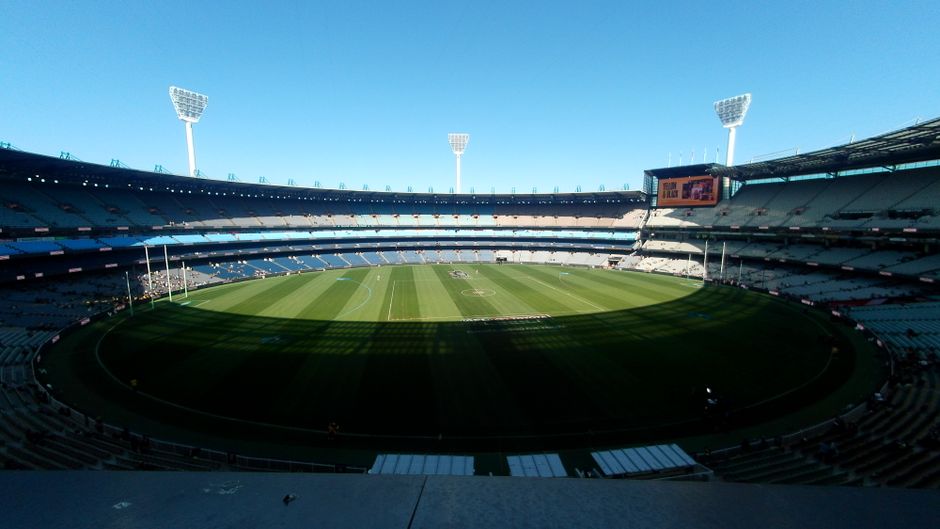
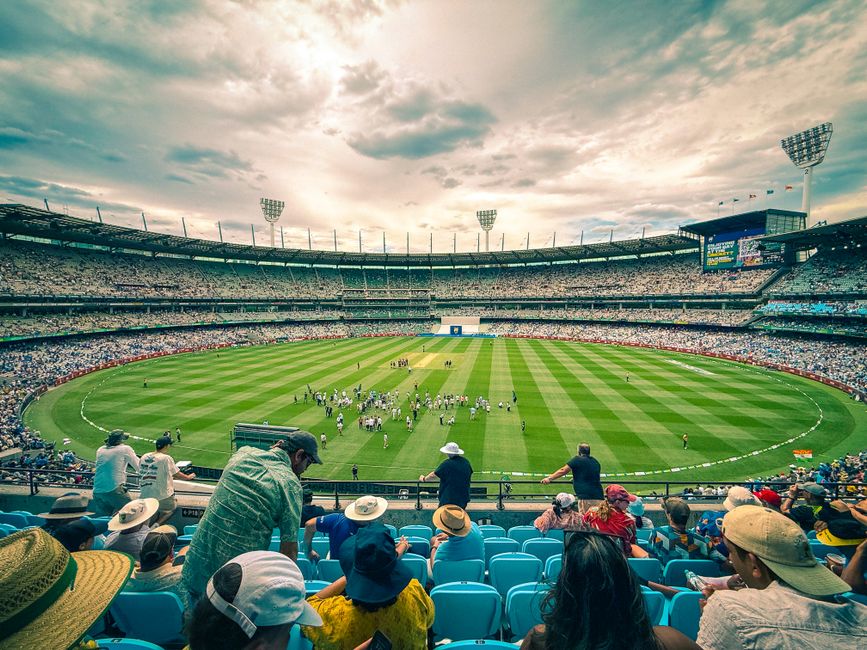
Walk past the Princes Park oval on a winter Saturday morning, and you'll see the usual sight: junior footy sides warming up, parents clutching coffee cups along the boundary. But behind those familiar scenes, participation data tells a more nuanced story about how Melbourne's youth are engaging with grassroots sport—and it's forcing local clubs to rethink their approach.
According to Sport & Recreation Victoria's latest participation survey, youth involvement in traditional team sports has plateaued at around 52 per cent of school-age children, while individual and mixed-format activities have surged. Cricket clubs across the inner suburbs report a 23 per cent uptick in participation over three years, while traditional rugby league in the western suburbs has contracted by 8 per cent. Meanwhile, skateboarding collectives and climbing gyms in Fitzroy and Brunswick are seeing queues that rival AFL training sessions.
"The data is telling us something fundamental has shifted," says Andrew Chen, facilities manager at the Collingwood Sports and Aquatic Centre, one of the city's largest grassroots hubs. "Families want flexibility. They want activities that don't require 15-week commitments from March to September."
For clubs based around Preston, Doncaster and Werribee—areas with younger demographic profiles—the picture is encouraging. Netball participation among girls aged 7-14 has grown 31 per cent, with waiting lists common at venues like the Werribee Park netball complex. Yet recruitment challenges persist: boys' participation in the same age bracket remains flat, with many gravitating toward basketball courts in Southbank and Docklands instead of traditional suburban ovals.
Price data adds another layer. At $280-$420 per season for junior AFL across most metropolitan leagues, families are increasingly comparing costs. Local basketball clubs, charging around $200-$300 for equivalent programs, are winning price-sensitive households. Meanwhile, free or low-cost offerings—council-run swimming lessons and park-based yoga programs—have seen 44 per cent participation growth in the past 18 months.
The socioeconomic geography matters too. Eastern suburbs clubs report higher retention rates, while western and outer-northern regions see higher dropout rates between ages 10-12, coinciding with increased work pressure on parents and reduced program accessibility. Transport to Hawthorn or Camberwell from Mill Park requires planning; Coburg has five quality venues within two kilometres.
For Melbourne's grassroots sector, the message is clear: participation data shows young athletes aren't abandoning sport. They're demanding choice, affordability, and convenience. Clubs that adapt will thrive; those clinging to tradition risk empty ovals.
This article was compiled by AI from the sources linked above and screened before publishing. See our editorial standards.
About this article
Published by The Daily Melbourne
This article was produced by the The Daily Melbourne editorial desk and covers sport in Melbourne. See our editorial standards for how we use AI.
See something wrong? Suggest a correction.
Daily brief
Enjoyed this? Wake up to Melbourne news every morning.
Free, in your inbox before 7am. Weekdays.