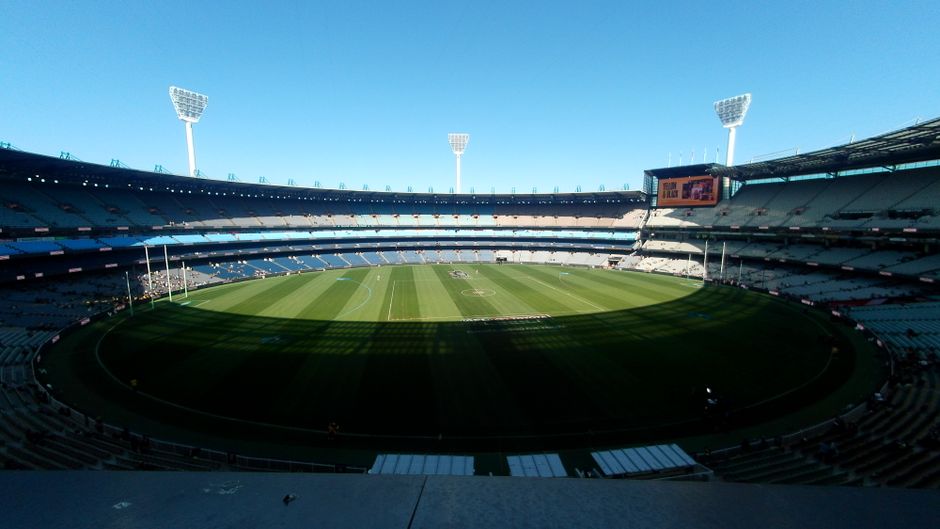
A surge in amateur sport participation across Melbourne's recreational leagues is telling a compelling story about how the city's fitness culture has fundamentally shifted in recent years. Data compiled from major local organisations reveals not just growth in numbers, but a decisive move toward inclusive, accessible sport—and away from the gym-centric fitness model that dominated the early 2020s.
The Brunswick Valley Football Club, one of the VFA's longest-running community institutions, has seen membership climb 34 per cent since 2023. Similar trends are evident across netball competitions in the inner north, with the Coburg-Footscray District Netball Association reporting 2,400 registered players across all grades—up from 1,890 three years ago. Casual five-a-side soccer leagues operating across venues in Coburg, Thornbury, and Preston have nearly doubled their team registrations.
What's driving this? Partly, it's affordability. A season with most amateur football clubs costs between $280 and $450, while netball league fees sit around $320 to $380. Compare that to premium gym memberships in the CBD and inner suburbs, which regularly exceed $25 weekly, and the economics become clear. Sport clubs are offering not just exercise but community, structure, and genuine competition for a fraction of the price.
But participation data also reflects something deeper: a rejection of solitary fitness pursuits. The Essendon District Softball League has grown to encompass 28 teams across mixed and gendered divisions, while walking football—a modified version catering to older adults—has emerged as one of the fastest-growing amateur sectors. Clubs operating from Albert Park, Princes Park, and Westerfolds Park report waiting lists for new participants.
Demographic breakdowns are equally revealing. Women now represent 41 per cent of amateur league participants across traditionally male-dominated codes like soccer and cricket—a sharp rise from 28 per cent a decade ago. Age diversity has expanded too, with participants aged 35 to 55 representing 38 per cent of most amateur club rosters, compared to 22 per cent in 2015.
The data suggests Melburnians are voting with their feet for sport that emphasises belonging over aesthetics, weekly commitment over flexible drop-in sessions, and social connection over individual achievement. In a city increasingly defined by isolation and screen-based living, that shift deserves closer attention. These figures aren't just statistics—they're evidence of a city rediscovering what community sport has always offered: purpose, friendship, and the simple satisfaction of playing together.
This article was compiled by AI from the sources linked above and screened before publishing. See our editorial standards.
About this article
Published by The Daily Melbourne
This article was produced by the The Daily Melbourne editorial desk and covers sport in Melbourne. See our editorial standards for how we use AI.
See something wrong? Suggest a correction.
Daily brief
Enjoyed this? Wake up to Melbourne news every morning.
Free, in your inbox before 7am. Weekdays.