MCG and Marvel set for finals fever: Inside Melbourne's biggest sporting showdown
As the AFL season barrels toward September, our major venues prepare for packed houses, record revenues and the city's most intense sporting nights.
2 min read
As the AFL season barrels toward September, our major venues prepare for packed houses, record revenues and the city's most intense sporting nights.
2 min read

Melbourne's sporting pulse quickens as we approach finals season, with the MCG and Marvel Stadium bracing for the frenzy that defines our city's winter obsession. For the next ten weeks, these two cathedral-sized venues will host the matches that make or break seasons—and bankroll the organisations that call them home.
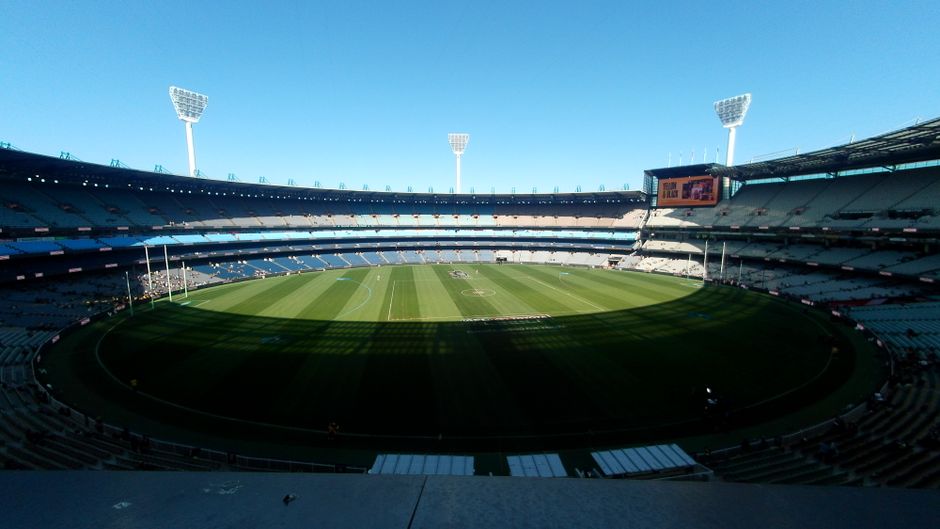
The Melbourne Cricket Ground expects to host at least six finals matches before the Grand Final on September 27, with capacity crowds of 100,024 pushing gate revenue toward $3 million per game. Marvel Stadium, sitting just two kilometres west in Docklands, will absorb the overflow, hosting preliminary finals and qualifying matches across its 52,500 seats. Together, they form the commercial and emotional epicentre of our winter sporting calendar.
The MCG's preparation has been meticulous. Ground staff at the Yarra Park precinct have upgraded drainage systems ahead of the unpredictable Melbourne winter weather—a factor that could prove decisive in tight contests. Premium seating in the Great Southern Stand remains at peak pricing, with corporate packages commanding $800 to $1,200 per seat for qualifying finals.
Marvel Stadium, meanwhile, has invested in enhanced food and beverage offerings across its Docklands footprint, recognising that match-day experience extends far beyond the playing surface. The venue's location near the Yarra River precinct and Southbank's restaurant precinct has become increasingly valuable, with fans now arriving hours earlier to maximise the entertainment district experience.
Both venues have coordinated with VicRoads and Public Transport Victoria to manage the logistics of back-to-back finals nights—a challenge unique to Melbourne's compressed autumn schedule. The Northcote-Fitzroy corridor around the MCG and the West Melbourne-Docklands precinct around Marvel face congestion spikes that require careful management across multiple match weekends.
Revenue implications are significant for the AFL clubs themselves. A successful finals run can inject $15 to $20 million into club coffers, making September's competition as much a financial battleground as a sporting one. Stadium operators benefit too, with ancillary revenues from parking, hospitality and merchandise contributing substantially to bottom lines.
What makes Melbourne unique is not simply having two world-class venues, but the intensity with which they're utilised during this period. From June 29 onwards, these grounds become the theatre for stories that define our city's sporting identity for an entire year.
This article was compiled by AI from the sources linked above and screened before publishing. See our editorial standards.
About this article
Published by The Daily Melbourne
Daily brief
Free, in your inbox before 7am. Weekdays.
You might also like
Sport

Sport
Sport
Sport
Free daily briefing