On a Tuesday evening in Coburg, the car park beside the Coburg Lake Reserve fills with cyclists, runners, and walkers preparing for their weekly community fitness session. What began three years ago as a handful of neighbours jogging together has blossomed into a 200-strong collective that meets twice weekly. This scene is repeating itself across Melbourne's suburbs, where amateur sports clubs are experiencing unprecedented growth and reshaping what it means to build community in 2026.
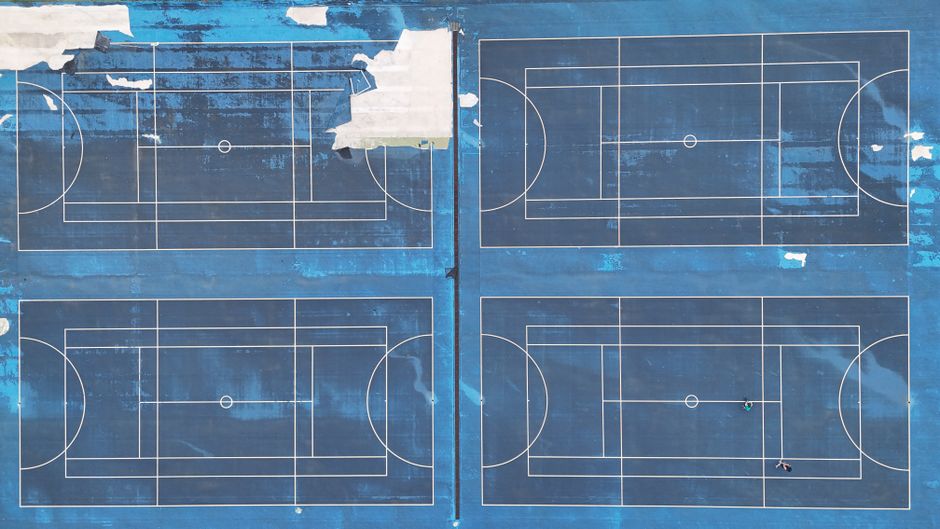
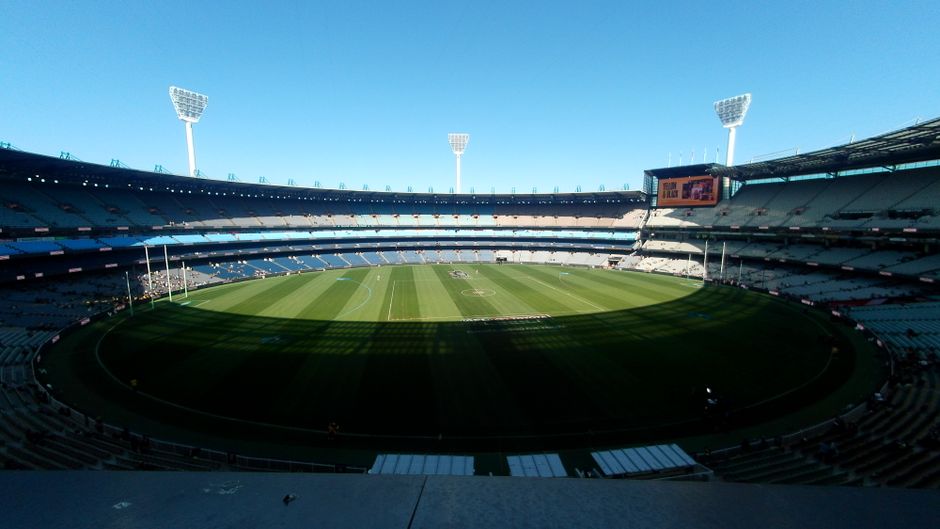
The trend is unmistakable. Participation in local AFL footy leagues has climbed 34 per cent since 2023, according to data from Community Sport Victoria. Netball clubs across the inner suburbs report waiting lists for the first time in a decade. Even niche sports are flourishing—the Brunswick Badminton Club recently expanded from two courts to four at its Glenloth Road venue to accommodate demand.
What's driving this resurgence? Sports administrators and club leaders point to a collective hunger for connection in an increasingly digital world. "People want to belong to something," says a spokesperson for the Footscray District Football League, which now runs eight separate divisions catering to players aged 16 to 65. "Sport gives them that structure and identity."
The economic impact is tangible too. Local clubs inject millions into neighbourhood economies. Weekly training sessions at grounds from Camberwell to Caroline Springs generate consistent revenue for local cafes, transport, and hospitality venues. Membership fees—typically $150 to $400 per season depending on the sport and division—keep grassroots programs staffed and maintained.
Yet thriving clubs share common threads beyond competition. The Fitzroy Hockey Club, based at Darling Gardens, has made deliberate efforts to lower barriers to entry, offering free trial sessions and subsidised memberships for young people and newcomers. Their women's and mixed divisions have grown fastest, suggesting that inclusive culture drives participation.
Social connection remains the primary drawcard. A recent survey of 1,200 amateur sports participants across Melbourne found that 78 per cent cited "friendship and community" as their main reason for joining, outranking fitness and competition. Post-match barbecues, social events, and mentorship between experienced and novice players create bonds that extend beyond the field.
As Melbourne continues to sprawl and urbanisation accelerates, these clubs have become anchors in their neighbourhoods—places where strangers become teammates, where effort is celebrated regardless of outcome, and where community isn't just built, it's played.
This article was compiled by AI from the sources linked above and screened before publishing. See our editorial standards.