More Melburnians are moving than ever, with newly released participation data from Sport and Recreation Victoria showing a record jump in local fitness activity for 2025. The figures, published late last week, reveal a 13% increase in sport and exercise participation across the city—led by surging interest in group classes and outdoor fitness events in neighbourhoods like Carlton, Coburg, and Port Melbourne.
The numbers come at a crucial time: the local fitness industry is still recovering from long COVID-induced closures and a reshuffling of habits. With research showing physical activity as a key weapon against chronic illness and stress, the state government and sporting bodies have flagged participation rates as a barometer for both public health and communal morale. Local gym chains and sports clubs watch these numbers closely, shaping programs and outreach accordingly.
From Brunswick Yoga to Albert Park Run Clubs
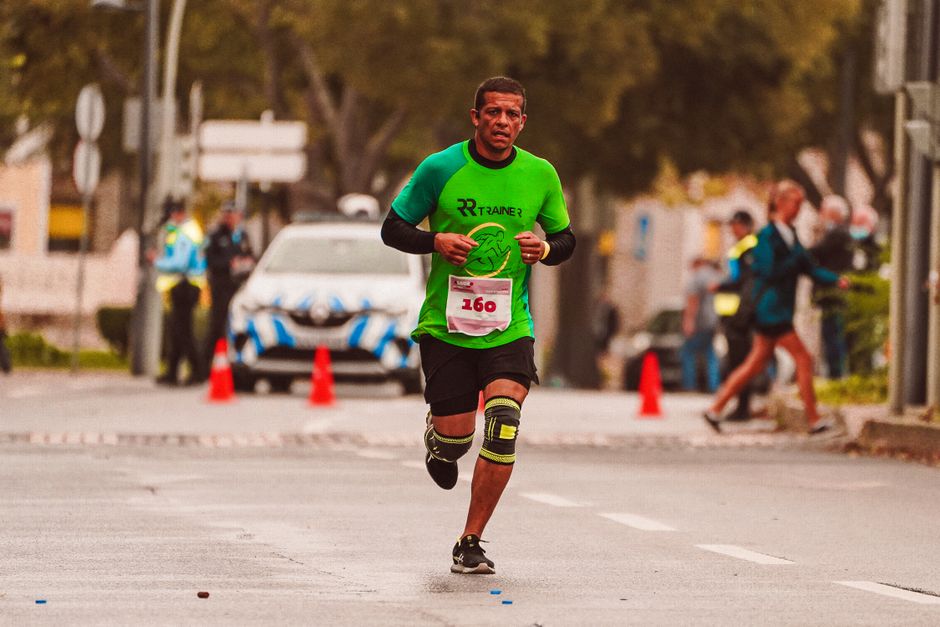
Grassroots programs are driving much of this growth. Fitness First on Elizabeth Street reports evening class enrolments have doubled since February, forcing them to add two extra Pilates sessions per week. The Northcote Aquatic and Recreation Centre, sandwiched between High Street cafes and the Merri Creek Trail, clocks more than 1,200 swim entries on a typical winter Saturday, up 40% from the same time last year. Meanwhile, the weekly Albert Parkrun—held near the lake each Saturday morning—has ballooned to over 700 runners per event, drawing enthusiasts from Albert Park, South Melbourne, and further afield.
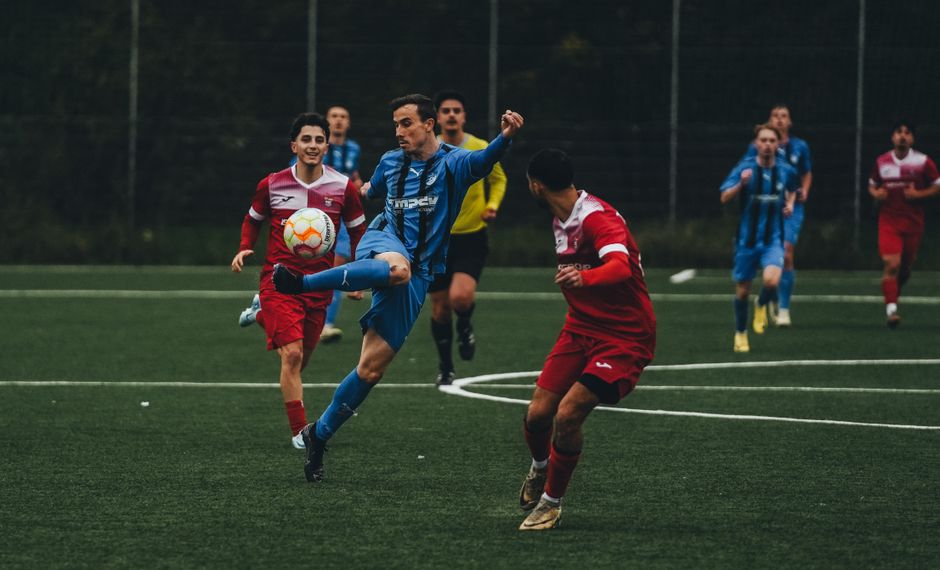
Notably, community-specific initiatives are also making a dent. The City of Darebin’s 'Walk n Talk' sessions, piloted at All Nations Park, have seen attendance triple since spring 2025. Women’s footy, long a point of local pride, continues its march: Football Victoria’s latest figures show junior girls' registrations in suburbs such as Footscray and Preston have soared by almost a quarter this season.
Record Participation—But New Barriers Emerge
According to Sport and Recreation Victoria’s June 2026 data, 71% of Melburnians aged 18 to 35 engage in structured fitness activity at least once a week. Three years ago, that figure sat at 64%. The median monthly gym membership stands at $75 in the inner north, with drop-in yoga sessions averaging $28 in areas like Fitzroy and Richmond. The numbers suggest cost remains a barrier, especially in lower-income boroughs, and public facilities are under pressure—recent council meetings in Yarra and Maribyrnong heard demands for more affordable access and expanded weekend hours.
The data shines a light on the city’s changing fitness culture: Melburnians are seeking varied, social ways to move, increasingly opting for flexible, pay-as-you-go programs over traditional club commitments. While running, swimming and gym classes anchor the trends, niche offerings—from HIIT classes at Docklands to tai chi in Princes Park—are attracting diverse crowds, particularly among students and new arrivals.
For those looking to get involved, options abound. Sport and Recreation Victoria maintains a searchable database of local programs at activevic.vic.gov.au, and many neighbourhood clubs now waive joining fees during July winter promotions. City of Melbourne’s next free fitness festival is set for July 20 at Queen Victoria Gardens—timed just as soccer fever from the World Cup trickles into local parks. With participation reaching new highs, experts say the key challenge now is ensuring fitness is accessible and sustainable for all Melburnians—regardless of postcode or pay packet.